




403
Sorry!!
Error! We're sorry, but the page you were looking for doesn't exist.
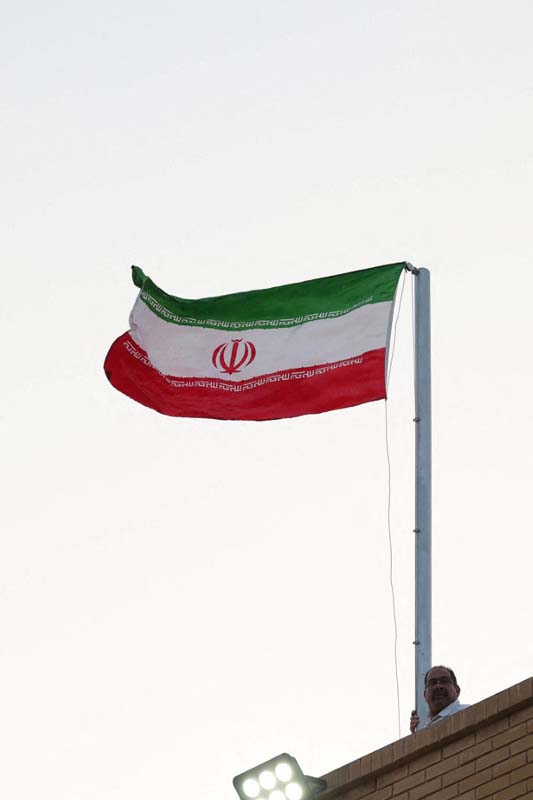
Iran refutes any involvement in indirect ceasefire negotiations between Hamas, Israel
(MENAFN) Iran's Permanent Mission to the United Nations has officially denied any involvement in the indirect ceasefire negotiations between Hamas and Israel, which are set to begin on Thursday. The mission clarified that it has not participated in, nor does it intend to participate in, these negotiations, which are being mediated by Egypt, Qatar, and the United States.
This denial came in response to media inquiries about Iran’s potential role in the talks. Recently, the U.S., Qatar, and Egypt urged Palestinians to re-engage in ceasefire discussions with Israel. Hamas, however, has called on the mediators to pressure Israel to adhere to agreements from previous negotiations rather than initiating new talks.
Since October, Israel has been conducting extensive military operations in the Gaza Strip, resulting in nearly 40,000 Palestinian civilian deaths. The conflict has led to widespread destruction of infrastructure, including homes, hospitals, schools, and places of worship. A severe blockade has exacerbated the humanitarian crisis, leaving Palestinians in Gaza facing severe shortages of food, water, and medical supplies.
Analysts suggest that Israeli Prime Minister Benjamin Netanyahu and some of his cabinet members have been major obstacles to reaching a ceasefire. They accuse Netanyahu of prolonging the conflict and worsening the humanitarian situation for personal political gain. Meanwhile, Western nations have faced international criticism for their unwavering support of Israel, including military, logistical, diplomatic, and political aid.
This denial came in response to media inquiries about Iran’s potential role in the talks. Recently, the U.S., Qatar, and Egypt urged Palestinians to re-engage in ceasefire discussions with Israel. Hamas, however, has called on the mediators to pressure Israel to adhere to agreements from previous negotiations rather than initiating new talks.
Since October, Israel has been conducting extensive military operations in the Gaza Strip, resulting in nearly 40,000 Palestinian civilian deaths. The conflict has led to widespread destruction of infrastructure, including homes, hospitals, schools, and places of worship. A severe blockade has exacerbated the humanitarian crisis, leaving Palestinians in Gaza facing severe shortages of food, water, and medical supplies.
Analysts suggest that Israeli Prime Minister Benjamin Netanyahu and some of his cabinet members have been major obstacles to reaching a ceasefire. They accuse Netanyahu of prolonging the conflict and worsening the humanitarian situation for personal political gain. Meanwhile, Western nations have faced international criticism for their unwavering support of Israel, including military, logistical, diplomatic, and political aid.

Legal Disclaimer:
MENAFN provides the
information “as is” without warranty of any kind. We do not accept
any responsibility or liability for the accuracy, content, images,
videos, licenses, completeness, legality, or reliability of the information
contained in this article. If you have any complaints or copyright
issues related to this article, kindly contact the provider above.
Most popular stories
Market Research

More Story








Comments
No comment