



403
Sorry!!
Error! We're sorry, but the page you were looking for doesn't exist.
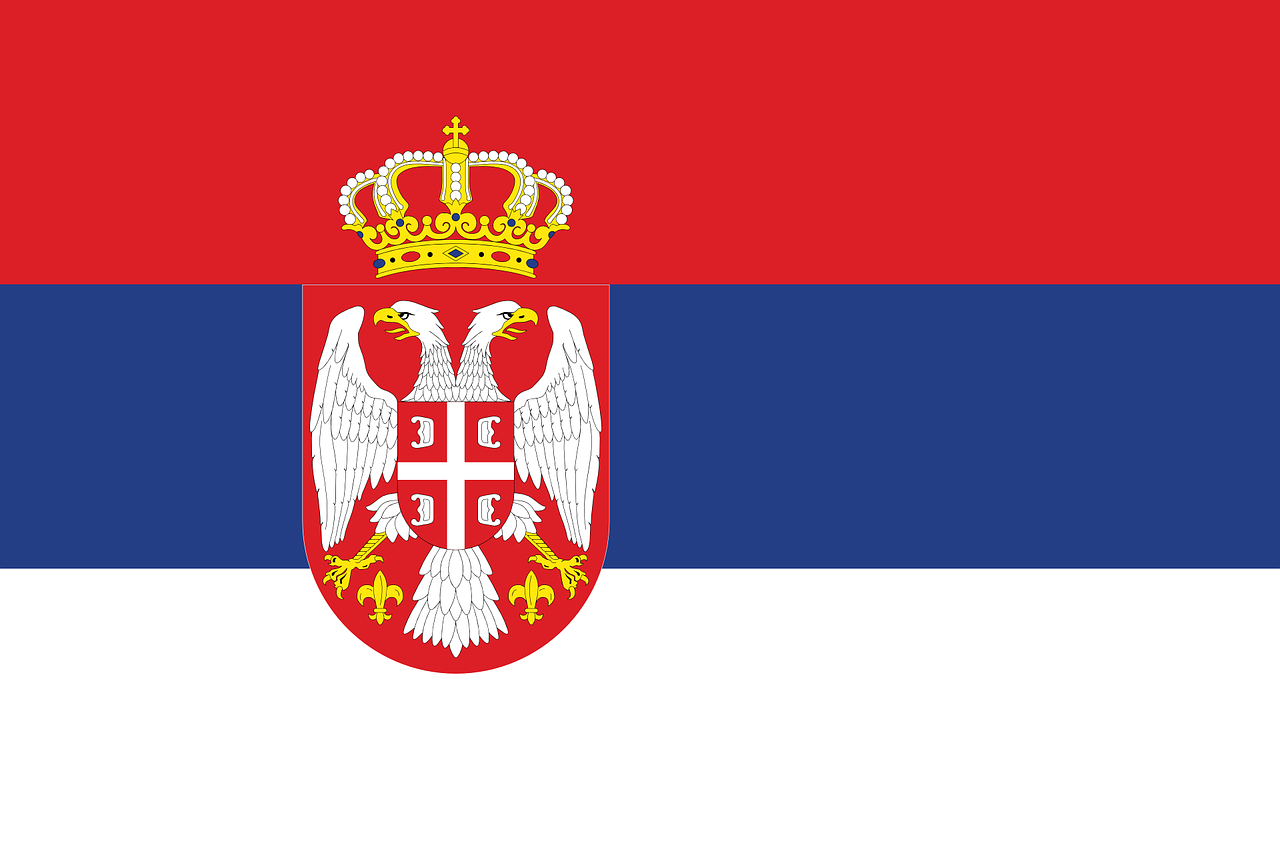
Vucic highlights historical alliance between Serbia, US
(MENAFN) Serbian President Aleksandar Vucic has highlighted the enduring historical alliance between Serbia and the United States, despite recent fluctuations in their relationship. Speaking at a reception in Belgrade's United States embassy to commemorate Independence Day, Vucic underscored the shared moments of cooperation and partnership between the two nations during pivotal historical junctures.
In an Instagram post celebrating the United States holiday, Vucic praised Independence Day as a significant event in American history, emphasizing its foundational values of freedom and justice that resonate with Serbia's past, present, and future. He expressed a commitment to enhancing bilateral relations with Washington, grounded in mutual respect and understanding.
Historically, Serbia and the US collaborated as allies during the First World War, and the United States supported anti-communist factions in Serbia during World War II. The relationship evolved with the establishment of the Federal Republic of Yugoslavia post-war, where the United States engaged with Yugoslav leader Josip Tito, providing military and developmental assistance after his split from Joseph Stalin in 1948.
However, tensions arose during the breakup of Yugoslavia, marked by United States-led economic sanctions against the Yugoslav government and NATO military intervention in the Balkans conflict, including a significant bombing campaign against Serbia in 1999. This campaign aimed to compel Yugoslav leader Slobodan Milosevic to withdraw forces from Kosovo, a province historically significant to Serbia, placing it under the administration of ethnic Albanian groups.
Despite these historical challenges, President Vucic's remarks signal a diplomatic effort to strengthen ties with the United States, reflecting Serbia's strategic interests in fostering cooperative relations and mutual prosperity with its historical ally.
In an Instagram post celebrating the United States holiday, Vucic praised Independence Day as a significant event in American history, emphasizing its foundational values of freedom and justice that resonate with Serbia's past, present, and future. He expressed a commitment to enhancing bilateral relations with Washington, grounded in mutual respect and understanding.
Historically, Serbia and the US collaborated as allies during the First World War, and the United States supported anti-communist factions in Serbia during World War II. The relationship evolved with the establishment of the Federal Republic of Yugoslavia post-war, where the United States engaged with Yugoslav leader Josip Tito, providing military and developmental assistance after his split from Joseph Stalin in 1948.
However, tensions arose during the breakup of Yugoslavia, marked by United States-led economic sanctions against the Yugoslav government and NATO military intervention in the Balkans conflict, including a significant bombing campaign against Serbia in 1999. This campaign aimed to compel Yugoslav leader Slobodan Milosevic to withdraw forces from Kosovo, a province historically significant to Serbia, placing it under the administration of ethnic Albanian groups.
Despite these historical challenges, President Vucic's remarks signal a diplomatic effort to strengthen ties with the United States, reflecting Serbia's strategic interests in fostering cooperative relations and mutual prosperity with its historical ally.

Legal Disclaimer:
MENAFN provides the
information “as is” without warranty of any kind. We do not accept
any responsibility or liability for the accuracy, content, images,
videos, licenses, completeness, legality, or reliability of the information
contained in this article. If you have any complaints or copyright
issues related to this article, kindly contact the provider above.
Most popular stories
Market Research

More Story






Comments
No comment