



403
Sorry!!
Error! We're sorry, but the page you were looking for doesn't exist.
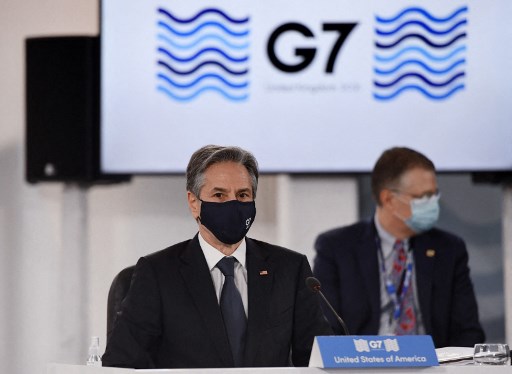
America in discussions with G7 associates regarding frozen Russian assets
(MENAFN) In a significant development, the United States is actively engaged in discussions with other G7 nations to explore potential avenues for seizing frozen Russian sovereign funds, as confirmed by State Department spokesperson Matthew Miller. This announcement follows recent measures enacted by the European Council, opening the door for the confiscation of interest earned by frozen Russian assets, with the funds directed towards Ukraine.
Since the onset of the Ukraine conflict in 2022, the United States and the European Union have jointly blocked an estimated USD300 billion in assets belonging to the Russian central bank. Euroclear, a Belgium-based clearinghouse, is reported to be holding EUR196.6 billion (USD211 billion) of these frozen assets, accumulating nearly EUR4.4 billion in interest last year alone.
While calls have emerged to outright confiscate these funds and allocate them to Ukraine, skeptics caution against such a move, citing potential repercussions on global trust in the European Union's banking sector and raising legal uncertainties surrounding the process.
During a press briefing on Monday, State Department spokesperson Matthew Miller acknowledged the European Council's decision, expressing encouragement for any action that leverages Russian assets for the benefit of Ukrainians. Miller emphasized ongoing discussions with allies and G7 partners to explore additional steps within respective legal systems and international law. The overarching objective is to ensure that Russia bears the financial consequences for the damage caused amid the ongoing conflict in Ukraine.
The talks signify a collaborative effort among the G7 nations to formulate a unified response to the economic aspects of the conflict, with a focus on holding Russia accountable for its actions.
As the geopolitical landscape evolves, these discussions highlight the intricate balance between diplomatic measures, legal considerations, and the imperative to address the financial repercussions of Russia's involvement in the Ukraine crisis. The outcomes of these deliberations may have far-reaching implications for the global financial system and the ongoing efforts to support Ukraine in its struggle against Russian aggression.
Since the onset of the Ukraine conflict in 2022, the United States and the European Union have jointly blocked an estimated USD300 billion in assets belonging to the Russian central bank. Euroclear, a Belgium-based clearinghouse, is reported to be holding EUR196.6 billion (USD211 billion) of these frozen assets, accumulating nearly EUR4.4 billion in interest last year alone.
While calls have emerged to outright confiscate these funds and allocate them to Ukraine, skeptics caution against such a move, citing potential repercussions on global trust in the European Union's banking sector and raising legal uncertainties surrounding the process.
During a press briefing on Monday, State Department spokesperson Matthew Miller acknowledged the European Council's decision, expressing encouragement for any action that leverages Russian assets for the benefit of Ukrainians. Miller emphasized ongoing discussions with allies and G7 partners to explore additional steps within respective legal systems and international law. The overarching objective is to ensure that Russia bears the financial consequences for the damage caused amid the ongoing conflict in Ukraine.
The talks signify a collaborative effort among the G7 nations to formulate a unified response to the economic aspects of the conflict, with a focus on holding Russia accountable for its actions.
As the geopolitical landscape evolves, these discussions highlight the intricate balance between diplomatic measures, legal considerations, and the imperative to address the financial repercussions of Russia's involvement in the Ukraine crisis. The outcomes of these deliberations may have far-reaching implications for the global financial system and the ongoing efforts to support Ukraine in its struggle against Russian aggression.

Legal Disclaimer:
MENAFN provides the
information “as is” without warranty of any kind. We do not accept
any responsibility or liability for the accuracy, content, images,
videos, licenses, completeness, legality, or reliability of the information
contained in this article. If you have any complaints or copyright
issues related to this article, kindly contact the provider above.
Most popular stories
Market Research

More Story








Comments
No comment