






403
Sorry!!
Error! We're sorry, but the page you were looking for doesn't exist.
Philippine Economics In A Rebalancing World
(MENAFN- Asia Times) Philippine aspirations to hit upper-middle-income country status were derailed by the Covid-19 pandemic, but economic planners remain optimistic that this target can be achieved by 2025.
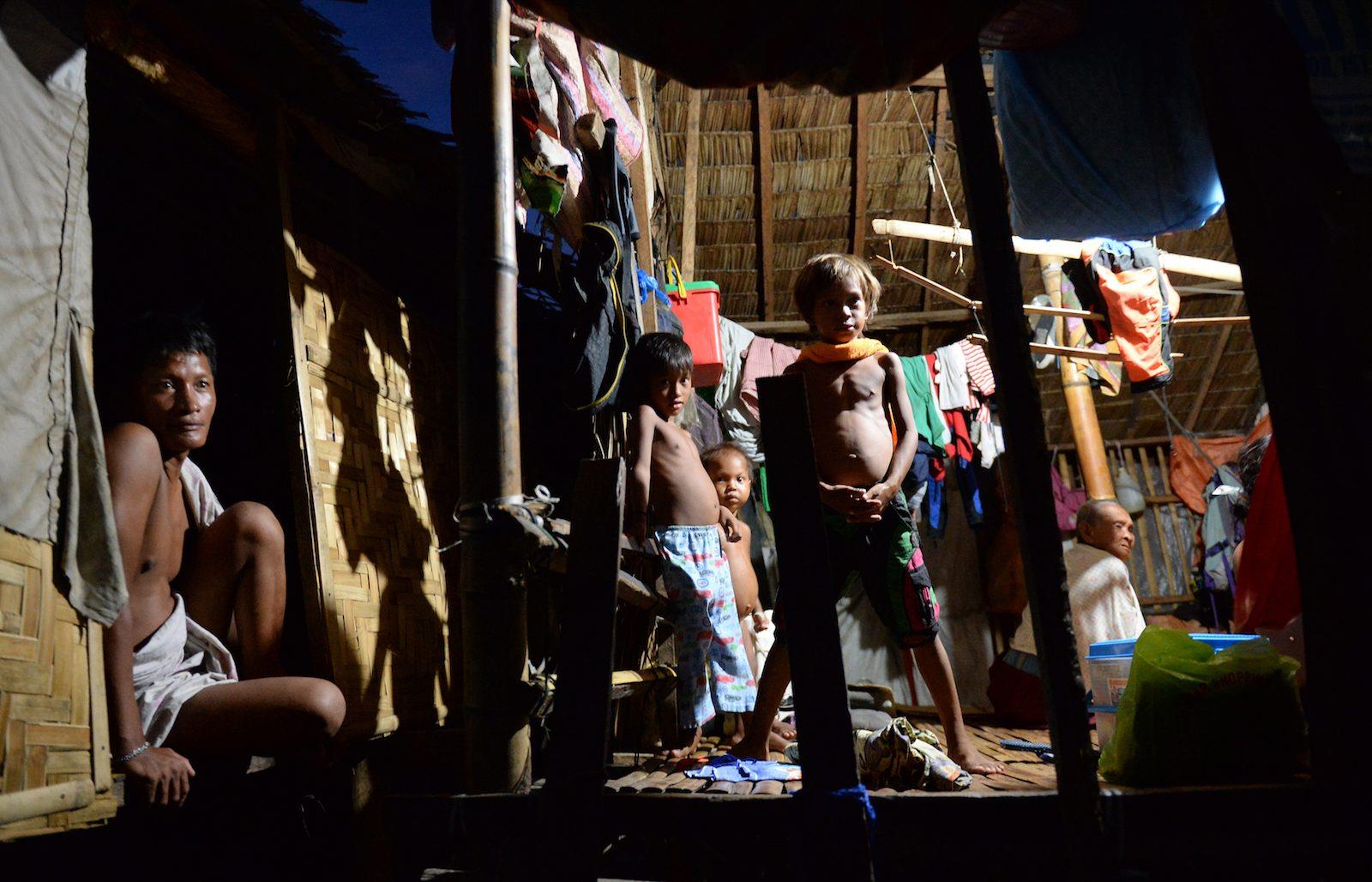
A family inside their house at an informal settler area in Davao City. Tackling Covid is harder in areas away from the capital. Photo: Asia Times Files / AFP / Ted Aljibe
If a new era of global political and economic rebalancing is taking place, there are clear internal challenges and international economic opportunities for the Philippines to navigate.
The Philippine economy grew by
5.7% in 2023 . The International Monetary Fund recently reported that the Philippine economy had
rebounded strongly
from the Covid-19 pandemic despite disrupted supply chains, inflation pressures and
dampened tourism revenues .
The country's debt-to-GDP ratio jumped from about 40% prior to the pandemic to over 60% in its aftermath due to a combination of debt-driven pandemic recovery responses and severe economic contraction. But credit rating agencies and investors continue to affirm the country's overall macroeconomic fundamentals.
Long-term forecasters remain bullish on the Philippines with its geographically critical location and young population. If these forecasts carry through, the Philippines will become a US$1 trillion economy by around 2033. Despite these predictions, the Philippines continues to struggle with inequality, persistent poverty and human development deficits.
Approved by Philippine President Ferdinand Marcos Jr in early 2023, the Philippine Development Plan 2023–2028 aims to reduce poverty to single digits by the end of the Marcos administration but hinges on producing enough high-quality jobs.
Without
structural reforms
that can move more Filipinos into higher productivity sectors, this has proved elusive. A nationwide survey conducted in September 2023 found that about half of Filipinos, or roughly 13.2 million families,
considered themselves poor
– an increase from the 12.5 million families who rated themselves poor in June 2023.
This figure is also much higher than the official 2021 poverty estimate of 18.1%, or roughly 3.5 million families.
A family inside their house at an informal settler area in Davao City. Tackling Covid is harder in areas away from the capital. Photo: Asia Times Files / AFP / Ted Aljibe

Legal Disclaimer:
MENAFN provides the
information “as is” without warranty of any kind. We do not accept
any responsibility or liability for the accuracy, content, images,
videos, licenses, completeness, legality, or reliability of the information
contained in this article. If you have any complaints or copyright
issues related to this article, kindly contact the provider above.
Most popular stories
Market Research

More Story





Comments
No comment