

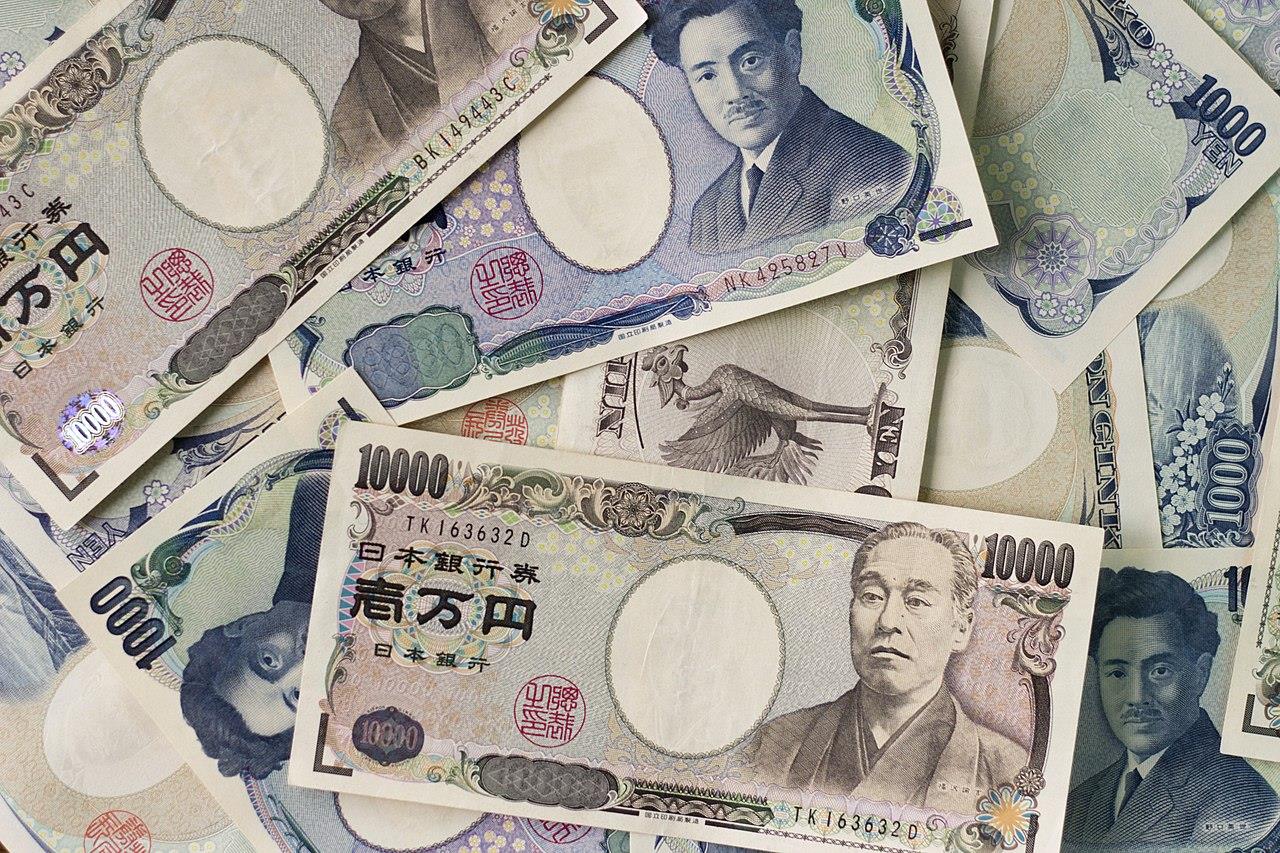
Bank Of Japan's Ueda Can't Quit QE, Either


Twenty-four years ago, the BOJ became the first major central bank to slash borrowing costs to zero. Over the next two years, in 2000 and 2001, it pioneered quantitative easing (QE).
Two-plus decades of free money has a way of warping economic dynamics. Over time, Japan gave new meaning to the concept of“economic capture” as the public and private sectors grew dependent upon QE.
This phenomenon more than anything else explains why Governor Kazuo Ueda is keeping the BOJ largely on autopilot. As the yen surges in anticipation of a BOJ“tapering,” Japan Inc is already nervously on alert and announcing downward revisions to earnings guidance.
This is fast removing the last of the risk tolerance that Ueda's team might have had since April, when he took the helm. Back then, expectations were high that the BOJ would exit QE.
Instead, Ueda's team made some minor tweaks to yield levels, but zero steps in the way of monetary tightening. In doing so, the BOJ missed its window to begin normalizing Japan's rate environment.
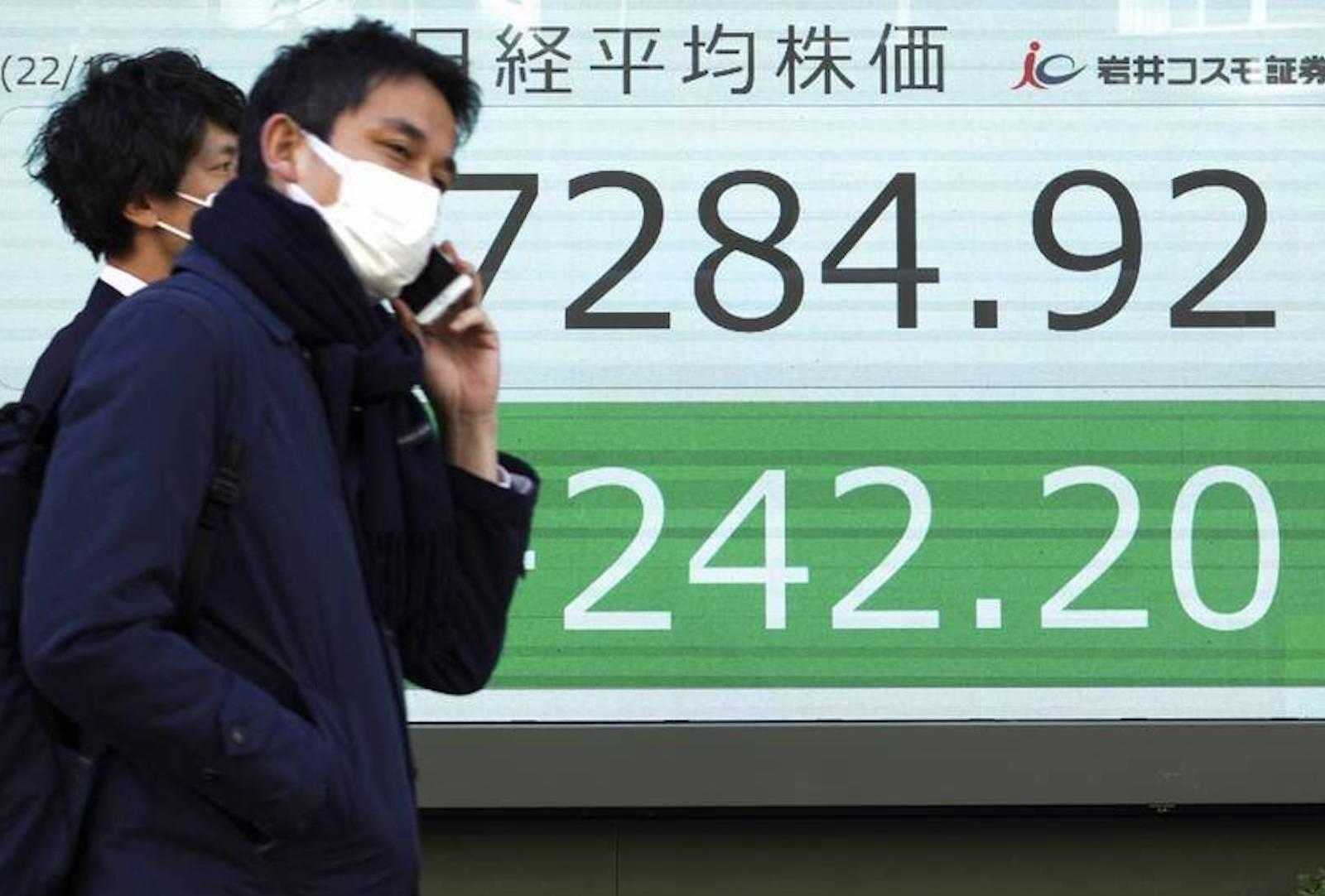
More recently, the economy contracted 2.9% in the July-September period from the previous quarter. This is fanning fears Asia's second-biggest economy is in recession as China slows and elevated US yields crimp global demand.
Add in the yen's surge and it's hard to see Ueda thinking now is an opportune moment to begin a pivot away from QE. (The yen declined 1% today on the BOJ's decision to hold rates steady.)
That's especially so given the BOJ's policies these past 10 years. Since then, the central bank supersized its balance sheet in ways no other Group of Seven nation institution ever had.
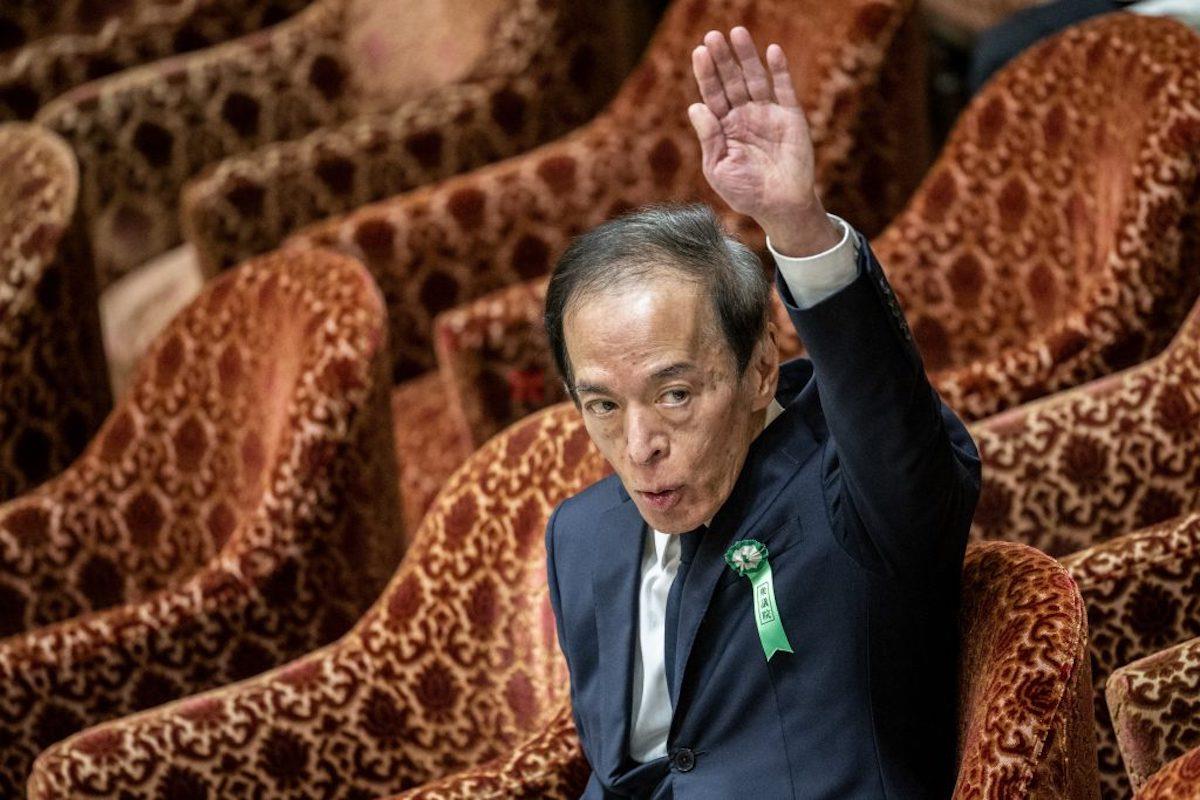
Bank of Japan Governor Kazuo Ueda is between a rock and hard policy place. Image: Twitter / Screengrab
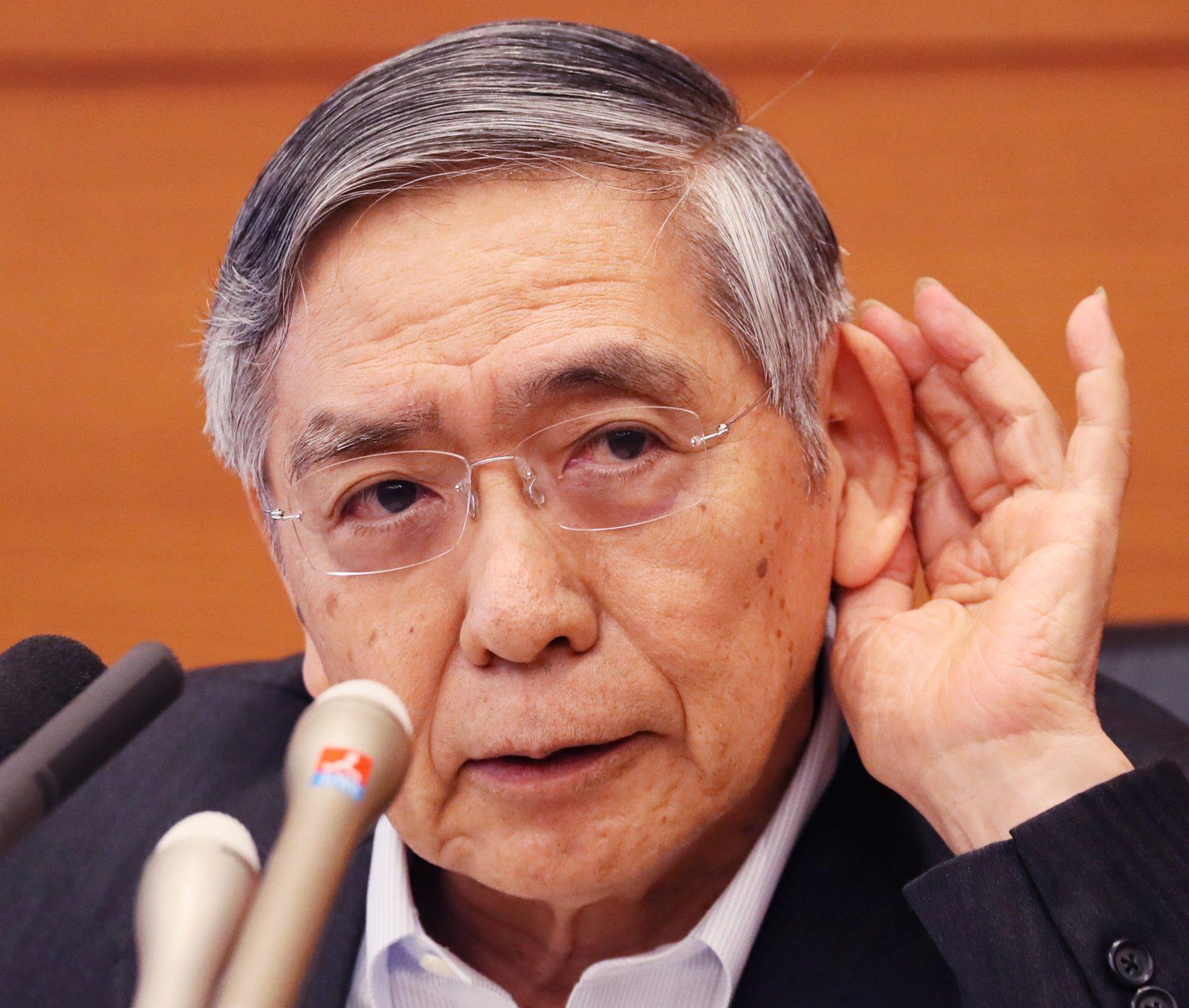
Taking a more aggressive approach to ending deflation was exactly what Ueda's predecessor, Haruhiko Kuroda, was hired to do. In 2013, then-prime minister Shinzo Abe tapped Kuroda to grease the skids for history's greatest monetary onslaught.
Kuroda didn't disappoint. He cornered the government bond market and gorged on stocks via exchange-traded funds. By 2018, the BOJ's balance sheet was bigger than Japan's US$4.8 trillion economy. The BOJ also became the top holder of Nikkei Stock Average and Topix index stocks.
But now that Japan is veering toward another recession, the question is whether the economy can withstand higher borrowing costs.
“The recent run of data has left the Bank of Japan in a difficult spot,” says Stefan Angrick, senior economist at Moody's Analytics.





Legal Disclaimer:
MENAFN provides the
information “as is” without warranty of any kind. We do not accept any
responsibility or liability for the accuracy, content, images, videos,
licenses, completeness, legality, or reliability of the information
contained in this article. If you have any complaints or copyright issues
related to this article, kindly contact the provider above.
Comments
No comment