




403
Sorry!!
Error! We're sorry, but the page you were looking for doesn't exist.
Can Australia Green Its Heavy Industry? It's Hard But Necessary
Author: Changlong Wang
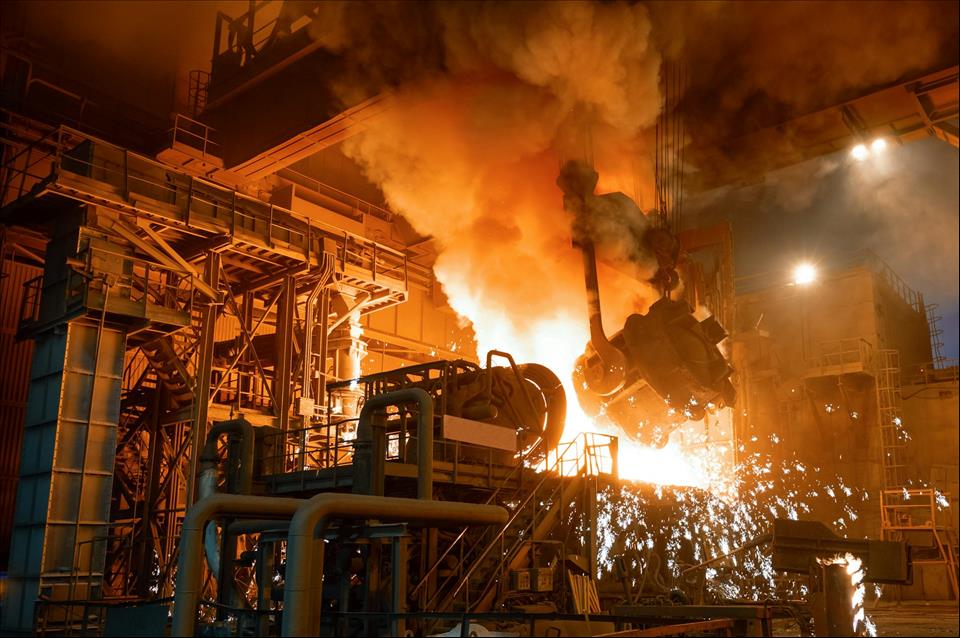
(MENAFN- The Conversation) Australia is rich in minerals, metals, sun and wind. Iron ore, copper and critical minerals are all mined here and largely exported overseas to be turned into products such as steel, fertiliser, fuel and infrastructure. Mining and heavy industries create jobs and wealth. But their emissions are some of the hardest to cut.

This is changing. Steel can now be made without coal. Hydrogen can be made using water and renewable power rather than from gas.
The Australian government wants to create greener export industries. It hasn't been easy. Green hydrogen is proving difficult to finance and scale, while the development of green iron is moving slowly. Interest has grown in green fuels such as biodiesel during this year's energy crisis, but progress remains slow.
But hard doesn't mean impossible. To make new exports competitive, policymakers should create green hubs close to renewables and where resources can be shared.
Precincts, not projectsTo make enough green iron, green ammonia and green fuels to export, Australia will need large renewable energy zones, energy storage, hydrogen production, water supply and port infrastructure. Much of this already exists or is being scaled up. The problem is coordination.
If every company builds its own separate systems for power, water and transport, costs rise and land use expands. It's cheaper and more effective to plan regional hubs where industries can share infrastructure, use renewable energy more efficiently and reduce environmental impact.
This isn't new. Australia's large, high-tech mining industry relies on hubs. Queensland's port city of Gladstone is a hub for coal and gas exports, aluminium smelting and chemical manufacturing. These heavy industries use shared infrastructure such as ports, roads and power.
Countries such as China, Germany and the Netherlands are using this hub method as they rapidly scale up green exports.
The cost of green iron and steel depends not just on the technology used in furnaces, but on how well integrated the facility is. A waste stream from one plant can become an input for another. The intense heat produced by making green ammonia or clean fuels can be used for other processes such as preheating iron ore for ironmaking.
Our modelling shows integrating renewables, hydrogen and green iron at a proposed hub in South Australia can cut power costs 20–30% compared to standalone projects by avoiding overbuilding of electricity infrastructure. More cheap renewable power is used, less gas is required and emissions fall more rapidly.
Modelling of a separate hub in New South Wales shows similar benefits.
Future green hubs should be centred around a nature-positive philosophy, where industry and nature restoration sit side by side. Instead of approving projects one by one, planning happens across whole landscapes. Sensitive areas are protected from the start. Infrastructure is concentrated into shared corridors. Natural restoration is part of the plan.
Iron ore – or green iron?Australia has long been a major iron ore exporter, but makes little iron or steel here.
If Australia moves rapidly, it could take more market share as buyers shift to clean options. German and Australian researchers are working to green the steelmaking process. One option is for Australia to make and export green iron as a precursor to steel.
This would be a surprisingly effective climate measure. Studies suggest Australia could singlehandedly reduce global emissions 4% if it turned its iron ore into green iron.
Is it possible?Turning this vision into reality is not straightforward. Coordinated industrial hubs are difficult to deliver in Australia.
Fragmented regulations across agencies slow progress. Environmental approvals are typically done project by project rather than at a system level. Government-business collaboration is limited. Business models focus on individual projects rather than collaboration. Where technical solutions exist, institutional and commercial barriers can slow progress.
Here's how to begin.
First, policymakers should identify optimal hub locations able to co-host mining, processing, green fuel production and renewable energy.
Second, plan the hubs at scale so environmental impacts can be managed and restoration work undertaken nearby.
Third, give the hubs clear, measurable emissions and nature goals. Set targets for emissions reductions, renewable and hydrogen use, water recycling, and ecosystem restoration at a regional scale. Track them over time.
Clear roles for government and industryGovernments have a key role in setting the direction of travel. This means selecting hub locations, coordinating land use and infrastructure planning, aligning approvals to allow system-level assessments rather than individual and investing in shared infrastructure.
They can also reduce risk by supporting early projects and broker agreements between companies. Long-term policy certainty will help unlock private investment.
Industry must respond by collaborating. This includes sharing infrastructure where it makes sense, coordinating across value chains, designing projects around environmental outcomes and working with communities as genuine partners.
Australia can punch well above its weight on green industry. If we succeed, our clean product exports will be a model for the future.
Institution:Monash University

Legal Disclaimer:
MENAFN provides the
information “as is” without warranty of any kind. We do not accept
any responsibility or liability for the accuracy, content, images,
videos, licenses, completeness, legality, or reliability of the information
contained in this article. If you have any complaints or copyright
issues related to this article, kindly contact the provider above.
Most popular stories
Market Research







Comments
No comment