


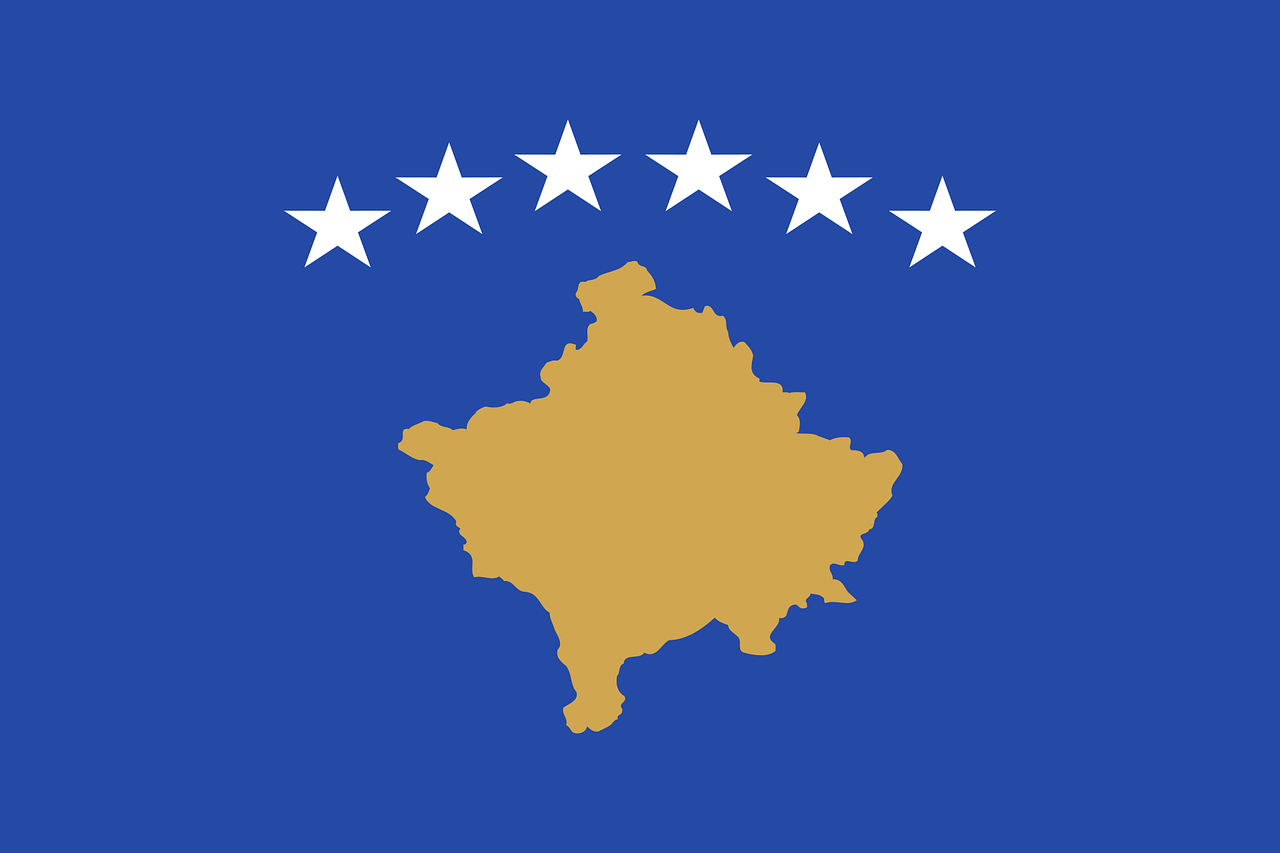
Kosovo Holds Fresh Parliamentary Vote Amid Political Uncertainty


(MENAFN) Kosovo held another early parliamentary election on Sunday, marking the third national vote in just 16 months. According to reports, more than 1.9 million registered voters were eligible to participate in the election.
A total of 902 candidates representing 21 political parties and groups competed for seats in the 120-member parliament. The election also included significant participation from the diaspora, with 132,212 citizens registered to cast ballots from outside the country.
Voting centers remained open until 7 p.m. local time, while preliminary unofficial results were expected later in the evening. Kosovars living abroad had already begun participating in the process, casting their votes at diplomatic missions a day earlier.
Political observers expect the ruling Self-Determination Movement, known as Vetevendosje and led by incumbent Prime Minister Albin Kurti, to secure the largest share of votes despite the lack of recent public polling data.
However, analysts believe no single political force is likely to gain the two-thirds parliamentary majority needed to elect the country's next president, raising the possibility of future coalition negotiations.
Among Kurti’s principal rivals are Lumir Abdixhiku, the prime ministerial candidate of the Democratic League of Kosovo (LDK), alongside presidential nominee Vjosa Osmani, as well as Bedri Hamza, who is seeking the premiership on behalf of the Democratic Party of Kosovo (PDK).
The election is expected to play a key role in shaping Kosovo’s political direction, with attention focused on whether any party can build the parliamentary support necessary to form a stable government.
A total of 902 candidates representing 21 political parties and groups competed for seats in the 120-member parliament. The election also included significant participation from the diaspora, with 132,212 citizens registered to cast ballots from outside the country.
Voting centers remained open until 7 p.m. local time, while preliminary unofficial results were expected later in the evening. Kosovars living abroad had already begun participating in the process, casting their votes at diplomatic missions a day earlier.
Political observers expect the ruling Self-Determination Movement, known as Vetevendosje and led by incumbent Prime Minister Albin Kurti, to secure the largest share of votes despite the lack of recent public polling data.
However, analysts believe no single political force is likely to gain the two-thirds parliamentary majority needed to elect the country's next president, raising the possibility of future coalition negotiations.
Among Kurti’s principal rivals are Lumir Abdixhiku, the prime ministerial candidate of the Democratic League of Kosovo (LDK), alongside presidential nominee Vjosa Osmani, as well as Bedri Hamza, who is seeking the premiership on behalf of the Democratic Party of Kosovo (PDK).
The election is expected to play a key role in shaping Kosovo’s political direction, with attention focused on whether any party can build the parliamentary support necessary to form a stable government.

Legal Disclaimer:
MENAFN provides the
information “as is” without warranty of any kind. We do not accept
any responsibility or liability for the accuracy, content, images,
videos, licenses, completeness, legality, or reliability of the information
contained in this article. If you have any complaints or copyright
issues related to this article, kindly contact the provider above.


Comments
No comment