




403
Sorry!!
Error! We're sorry, but the page you were looking for doesn't exist.
8 Benefit Programs Eligible Families Forget To Apply For
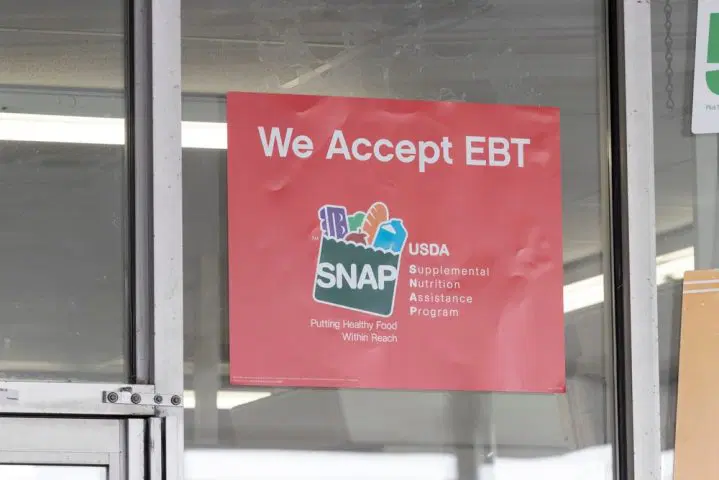
(MENAFN- Everybody Loves Your Money) A visual guide highlighting key assistance programs like SNAP, WIC, housing vouchers, and energy bill support that help eligible families reduce monthly financial stress and improve stability. Shutterstock
Millions of households leave money on the table every year simply because they never apply for programs designed to reduce everyday expenses. These benefits can help cover food, healthcare, housing, utilities, and even internet service, yet many eligible families overlook them entirely.
The result often leads to unnecessary financial strain in already tight budgets. Each program follows clear qualification rules based on income, household size, and location. Small paperwork steps often unlock hundreds or even thousands of dollars in yearly support.
1. SNAP Benefits Help Stretch Grocery Budgets Further Than Most ExpectSNAP, also known as the Supplemental Nutrition Assistance Program, helps families buy groceries using monthly funds loaded onto an EBT card. Many households qualify based on income limits that adjust depending on household size and expenses. Grocery prices continue to rise, which makes this program even more valuable for reducing food stress. Local grocery stores, farmers' markets, and major retailers often accept SNAP benefits without issue.
Families often underestimate their eligibility and assume income disqualifies them too quickly. Application processes vary by state, but usually take less time than expected. Approval can significantly reduce monthly grocery bills and free up cash for other essentials.
2. WIC Supports Nutrition for Women, Infants, and Young ChildrenWIC stands for Women, Infants, and Children, and it focuses on healthy food access during critical development stages. Pregnant individuals, new mothers, and young children under five often qualify based on income and nutritional risk. The program supplies vouchers for milk, eggs, fruits, vegetables, and infant formula. It also connects families with nutrition education and healthcare referrals.
Many families miss WIC because they assume it only covers very low-income households. Clinics often help applicants check eligibility quickly and provide immediate guidance. This program strengthens early childhood development while reducing grocery pressure at home.
3. LIHEAP Reduces the Burden of Heating and Cooling BillsThe Low Income Home Energy Assistance Program, known as LIHEAP, helps households manage heating and cooling costs throughout the year. Energy bills often spike during extreme weather seasons, creating financial stress for many families. LIHEAP provides direct bill assistance or energy crisis support depending on the situation. Some households also receive help with weatherization improvements that improve efficiency.
Many eligible families skip this program because they only think about it during emergencies. Applications often open annually and funds distribute on a first-come basis. A timely application can prevent utility shutoffs and stabilize monthly budgets.
4. EITC Boosts Tax Refunds for Working FamiliesThe Earned Income Tax Credit (EITC) rewards working individuals and families with lower to moderate incomes. This credit often increases tax refunds significantly, especially for households with children. Many workers qualify without realizing it because income thresholds change each year. The IRS calculates eligibility based on earnings and household structure.
Families frequently miss this credit because they file taxes without exploring available deductions. Professional tax help or free filing services often uncover eligibility quickly. This program can turn a small refund into a much larger financial boost.
5. Child Tax Credit Helps Cover the Rising Cost of Raising KidsThe Child Tax Credit provides financial relief to families raising dependent children under qualifying age limits. This credit reduces overall tax liability and sometimes increases refunds. Income thresholds determine how much families receive, and changes in household status can affect eligibility. The program directly supports expenses like childcare, school supplies, and daily needs.
Many families overlook this credit when tax filing seems confusing or rushed. Updated tax information ensures accurate claims and avoids missed benefits. This program plays a major role in supporting household stability for parents.
6. Medicaid and CHIP Expand Healthcare Access for FamiliesMedicaid and the Children's Health Insurance Program (CHIP) provide low-cost or free healthcare coverage for eligible families. These programs cover doctor visits, hospital care, prescriptions, and preventive services. Income levels and state guidelines determine eligibility, which often expands during economic shifts. Children receive especially strong coverage through CHIP programs.
Families sometimes avoid applying due to assumptions about strict qualification limits. Many states now offer broader access than in previous years. Healthcare coverage through these programs prevents medical debt and supports long-term well-being.
7. Section 8 Housing Choice Vouchers Lower Rent PressureThe Housing Choice Voucher Program, often called Section 8, helps families afford safe and stable housing in the private rental market. Participants pay a portion of rent while the program covers the rest directly to landlords. Local housing authorities manage waitlists and eligibility requirements based on income. This support often allows families to live in safer neighborhoods with better access to services.
Many households never apply because waitlists appear long or complex. Early applications improve chances of receiving assistance when openings occur. Stable housing creates a stronger financial footing and reduces stress across many areas of life.
8. Lifeline Reduces Phone and Internet Costs for Essential CommunicationThe Lifeline program helps reduce monthly phone or internet bills for qualifying households. Participants receive discounts that support access to communication, job searches, and emergency services. Income guidelines or participation in other assistance programs often determine eligibility. Many providers across the country participate in this federal program.
Families often overlook Lifeline because telecom bills feel fixed and unavoidable. Applying through approved providers can quickly reduce monthly expenses. Reliable communication access strengthens employment opportunities and daily connection needs.
Hidden Benefits That Strengthen Household Financial StabilityThese programs work together to reduce pressure across multiple parts of a household budget. Many families qualify for more than one benefit, but only apply for a single program. Overlapping eligibility rules create opportunities for deeper savings than most people expect. A full review of available options often reveals support that changes financial stability. Taking time to explore these programs can unlock meaningful long-term relief.
Which of these programs surprises most readers when it comes to eligibility? Share thoughts and experiences in the comments below.

Legal Disclaimer:
MENAFN provides the
information “as is” without warranty of any kind. We do not accept
any responsibility or liability for the accuracy, content, images,
videos, licenses, completeness, legality, or reliability of the information
contained in this article. If you have any complaints or copyright
issues related to this article, kindly contact the provider above.
Most popular stories
Market Research

More Story






Comments
No comment