

UN Warns AI Could Double Energy Consumption By 2030


A widely held belief that artificial intelligence will consume fewer resources as it develops is, in fact, a major misconception, AzerNEWS reports.
According to a new report published by the United Nations, cited via international media, expectations that improving AI efficiency will reduce energy and resource consumption have been challenged by recent environmental findings. The report suggests that the environmental impact of artificial intelligence is increasing at a much faster rate than anticipated.
Experts explain this trend through the so-called "Jevons paradox," which states that when the efficiency of a resource improves, its cost decreases, often leading to higher - not lower - overall consumption at a global scale.
UN projections indicate that AI's pressure on global resources could become significantly more severe in the near future. By 2030, energy consumption from artificial intelligence is expected to double, reaching around 3% of global electricity demand.
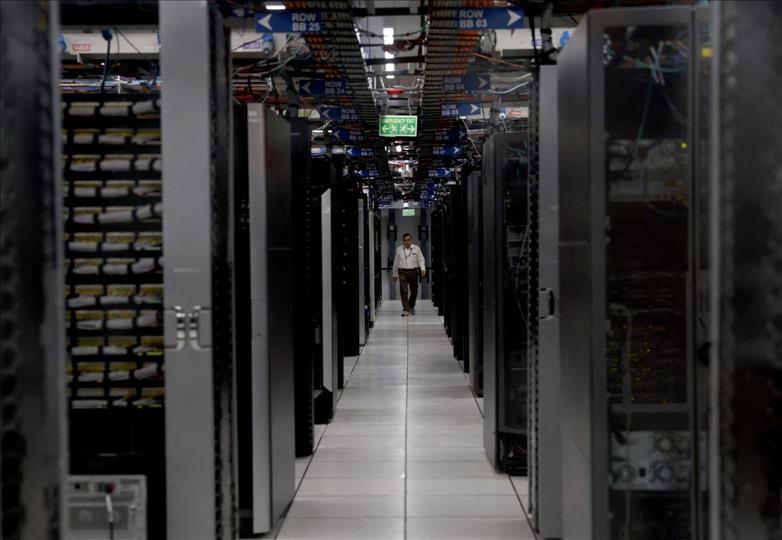
This level of consumption is comparable to the carbon emissions of the United Kingdom. More strikingly, the report warns that the amount of water used for cooling data centers could exceed the annual drinking water needs of the global population.
Considering that data centers already consume as much electricity as countries like Saudi Arabia, the anticipated growth suggests a dramatic increase in demand. Some estimates indicate that offsetting this rise would require resources equivalent to billions of trees grown over a decade and land areas nearly ten times the size of Mexico.

Legal Disclaimer:
MENAFN provides the
information “as is” without warranty of any kind. We do not accept any
responsibility or liability for the accuracy, content, images, videos,
licenses, completeness, legality, or reliability of the information
contained in this article. If you have any complaints or copyright issues
related to this article, kindly contact the provider above.
Comments
No comment