







403
Sorry!!
Error! We're sorry, but the page you were looking for doesn't exist.
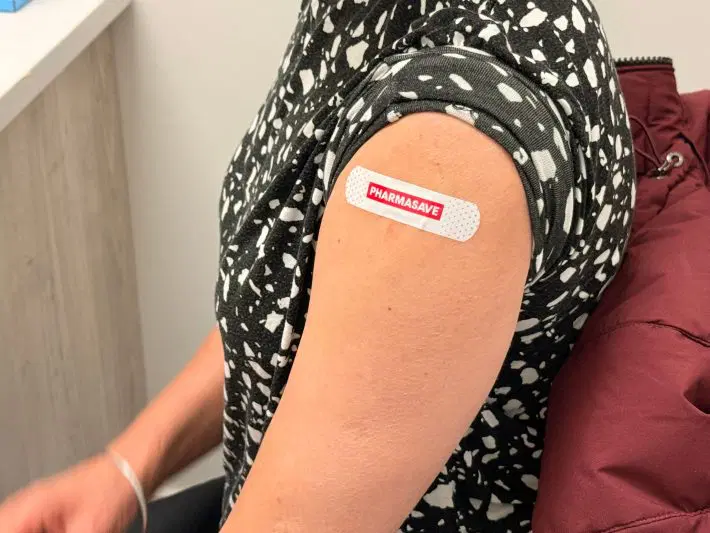
6 Reasons Adults Over 60 Should Ask About The RSV Vaccine
(MENAFN- Saving Advice) RSV sends more than 180,000 seniors to the hospital every year. Despite that, many people 75 and older remain unvaccinated against the virus. Respiratory syncytial virus, better known as RSV, can be extremely dangerous for seniors, particularly those with underlying health conditions. Most people associate it with children, but it leads to 180,000+ hospitalizations and even some deaths among older Americans. If you're over 60, here are six important reasons to ask your healthcare provider whether the RSV vaccine is right for you.1. RSV Can Be Serious for Older Adults
Many people mistakenly believe RSV only affects babies and young children. In reality, older adults are among the groups most vulnerable to severe complications from the virus. RSV can lead to pneumonia, worsening chronic heart conditions, breathing difficulties, and hospitalization. Adults over 75 and those with certain health conditions face the highest risk of severe illness.
2. Age Alone Increases Your RiskAs we age, our immune systems naturally become less effective at fighting infections. Even healthy adults over 60 may have a harder time recovering from respiratory illnesses than they did decades earlier. The CDC currently recommends RSV vaccination for all adults age 75 and older, as well as adults between 50 and 74 who have conditions that increase their risk of severe RSV disease. Asking about the RSV vaccine becomes increasingly important as you move through your 60s and beyond.
3. Chronic Health Conditions Raise the StakesMany adults over 60 live with conditions such as heart disease, chronic obstructive pulmonary disease (COPD), asthma, diabetes, or weakened immune systems. These conditions can make RSV infections much more dangerous and harder to recover from. Even a relatively mild respiratory infection can trigger serious complications for someone already managing a chronic illness. If you have an ongoing health condition, it is worth having a conversation about whether additional protection makes sense for you.
4. The RSV Vaccine Is Not Currently an Annual ShotOne concern some people have is adding yet another yearly vaccination to their schedule. Unlike the flu vaccine, the RSV vaccine is currently recommended as a single-dose vaccination rather than an annual shot. According to CDC guidance, adults who have already received an RSV vaccine generally do not need another dose at this time. That means one appointment may provide protection without requiring yearly boosters.
5. Hospitalizations Can Have Long-Term ConsequencesFor older adults, a hospital stay is often about more than just treating an illness. Extended hospitalization can lead to reduced mobility, muscle loss, increased fall risk, and longer recovery periods. RSV contributes to a significant number of hospitalizations among seniors each year, yet only 47.5% of people 75 and older get the RSV vaccine. Preventing a severe infection may help reduce the likelihood of facing these complications. When evaluating the RSV vaccine, it is helpful to consider not just the illness itself but also the challenges that can follow a serious hospitalization.
6. Many Eligible Adults Still Haven't Been VaccinatedOne surprising fact is how many eligible adults have not yet received the RSV vaccine. Only a minority of adults age 60 and older have been vaccinated, despite recommendations and availability. Generally speaking, low awareness and confusion about eligibility are major reasons for the low uptake. Asking your doctor about the RSV vaccine can help ensure you are making a decision based on current medical guidance rather than assumptions or outdated information.
A Simple Conversation Could Protect Your HealthThe RSV vaccine is not something every adult over 60 automatically needs, but it is something every adult over 60 should discuss with a healthcare provider. Factors such as age, chronic medical conditions, immune status, and overall health all play a role in determining risk. A brief conversation with your doctor or pharmacist can help clarify whether you fall into a group that could benefit from vaccination. Preventing serious illness is often much easier than recovering from it. So, next time you talk to your doctor, mention the RSV vaccine. It could keep you in good health.
Have you talked with your doctor about the RSV vaccine yet, or do you have questions about whether it's right for you? Share your thoughts and experiences in the comments below.

Legal Disclaimer:
MENAFN provides the
information “as is” without warranty of any kind. We do not accept
any responsibility or liability for the accuracy, content, images,
videos, licenses, completeness, legality, or reliability of the information
contained in this article. If you have any complaints or copyright
issues related to this article, kindly contact the provider above.
Most popular stories
Market Research

More Story





Comments
No comment