







403
Sorry!!
Error! We're sorry, but the page you were looking for doesn't exist.
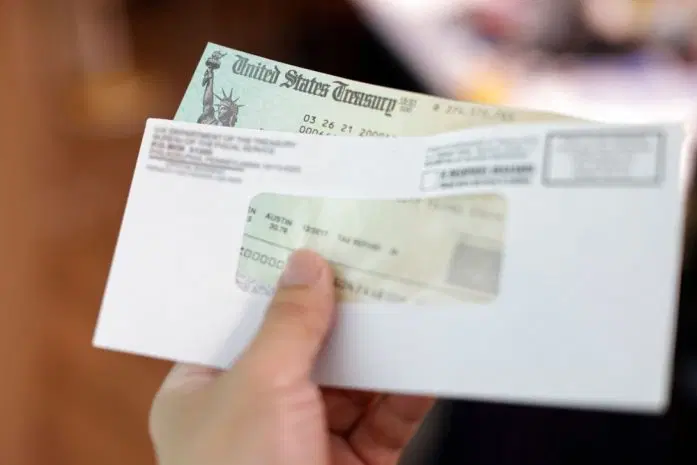
Smaller Refunds Are Hitting Filers Who Made One Specific Change Last Year
(MENAFN- Free Financial Advisor) Many taxpayers see smaller refunds after adjusting their W-4 withholding, even though they received more money in each paycheck throughout the year. Shutterstock
Tax season keeps surprising millions of filers, and this year delivers a particularly frustrating twist for many households expecting a comfortable refund. Many taxpayers open their results only to find a much smaller number than they planned for, and the shock often traces back to a single decision made last year. That decision usually involves how income tax withholding got set up or adjusted on a W-4 form, especially after people tried to fine-tune their take-home pay. A small shift in how employers pull taxes throughout the year can dramatically change what shows up at refund time. As a result, more money may have stayed in paychecks during the year, leaving less available when filing season arrives.
This situation creates confusion because many people assume refunds represent“bonus money” from the government rather than a reconciliation of taxes already paid. When withholding changes, the timing of tax payments shifts instead of the total tax bill necessarily changing.
One Small W-4 Change That Quietly Reshaped RefundsMany workers adjusted their W-4 forms last year after trying to improve their monthly cash flow, especially during periods of rising costs. That adjustment often involved claiming different allowances, updating dependents, or increasing take-home pay by reducing withheld tax per paycheck. Employers then followed those instructions precisely, sending less money to the IRS throughout the year. That decision created a more even paycheck experience but also reduced the buffer that often generates large refunds.
When tax season arrives, the IRS calculates total tax liability and compares it to what has already been paid through withholding. A smaller refund often signals that withholding aligned more closely with actual tax owed instead of overpaying throughout the year. This shift does not necessarily create a penalty or loss, but it does change expectations built around previous refund patterns. Many filers feel surprised because they remember larger refunds as the norm rather than the result of over-withholding.
Why Refund Shrinks Feel Bigger Than They Actually AreRefund reductions often trigger stronger emotional reactions than they logically deserve because people tend to anchor expectations around past years. A $2,000 refund feels comfortable, while a $600 refund feels like something went wrong, even when the total annual tax liability stayed identical. Behavioral finance explains this reaction through loss perception, where missing expected money feels more painful than never receiving it at all. That mindset makes smaller refunds feel like setbacks instead of neutral adjustments.
Another factor comes from household budgeting habits that rely on refund timing for major expenses. Many families plan vacations, debt payments, or large purchases around expected refund amounts. When that refund shrinks, the entire financial plan can feel disrupted even if the monthly income stayed more stable throughout the year. This disconnect highlights how withholding decisions shape not just tax outcomes but also spending psychology.
How Payroll Adjustments Shifted Cash Flow All Year LongChanges to withholding do not operate in isolation because they directly affect paycheck size every pay period. When workers adjust their W-4 to reduce taxes withheld, they receive more money throughout the year instead of waiting for a lump sum refund. That approach improves liquidity for day-to-day expenses and helps manage inflation-driven costs more comfortably. However, it also reduces the likelihood of a large refund at filing time.
This trade-off confuses many filers because they compare last year's refund number without comparing monthly income changes. A smaller refund often pairs with higher take-home pay across twelve months, which can actually improve overall cash flow stability. The key issue arises when people focus only on tax season instead of tracking yearly totals. Once the full picture becomes clear, the refund drop looks less like a loss and more like a redistribution of timing.
What This Refund Shift Really Signals About Tax PlanningSmaller refunds often signal a shift toward more accurate tax planning rather than a problem with filing or income. The IRS prefers withholding accuracy because it reduces the chance of large refunds or unexpected tax bills. Filers benefit when paycheck deductions match real tax liability more closely, even if the psychological comfort of a big refund disappears. This balance represents a more efficient system, even if it feels less exciting in April.
Tax refunds may feel smaller this year, but the story behind them often points to one simple truth: money already flowed differently throughout the year. Once filers connect paycheck changes to refund outcomes, the numbers start to make a lot more sense, and less stress follows.
What changes have you noticed in your tax refunds this year, and how have those shifts affected your budgeting plans?

Legal Disclaimer:
MENAFN provides the
information “as is” without warranty of any kind. We do not accept
any responsibility or liability for the accuracy, content, images,
videos, licenses, completeness, legality, or reliability of the information
contained in this article. If you have any complaints or copyright
issues related to this article, kindly contact the provider above.
Most popular stories
Market Research

More Story








Comments
No comment