




403
Sorry!!
Error! We're sorry, but the page you were looking for doesn't exist.
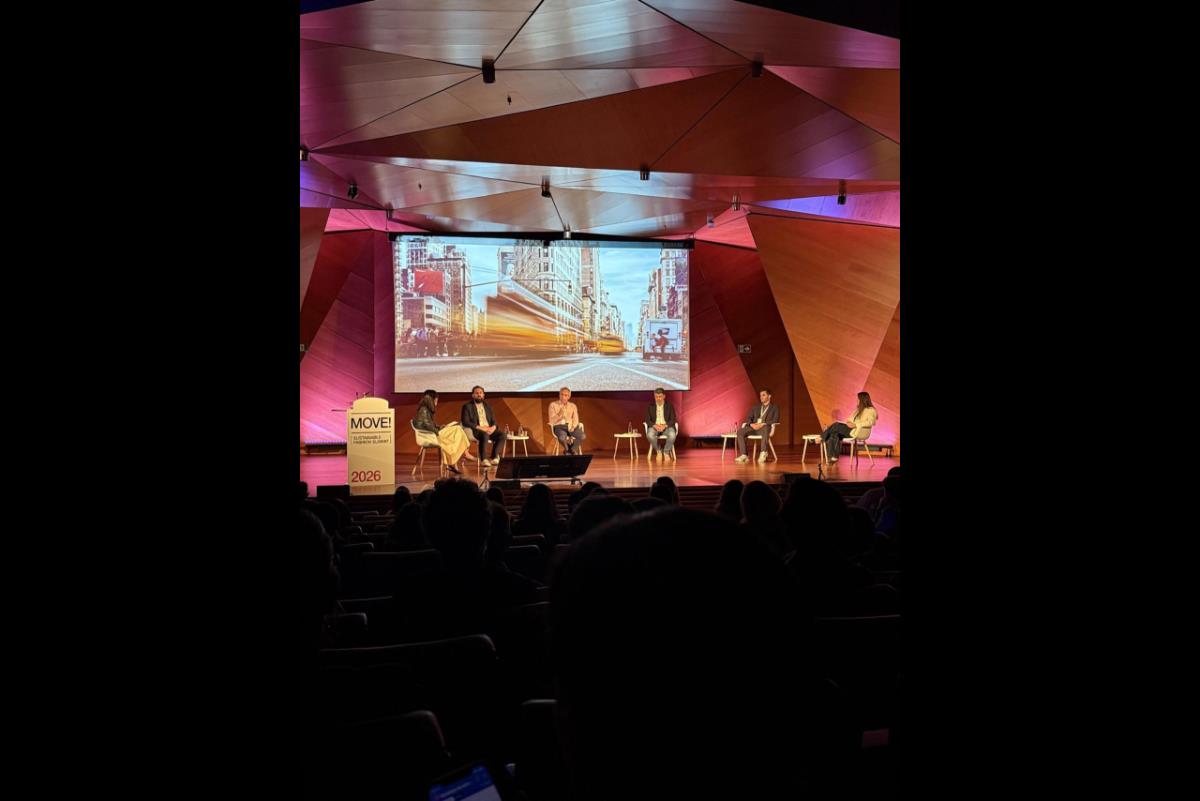
Move! Sustainability Fashion Summit 2026 Brings Industry Focus To Circularity And Regulation
(MENAFN- 3BL)
Cascale recently attended Move! Sustainability Fashion Summit 2026 in Madrid, Spain, bringing together approximately 250 professionals from across the textile, apparel, and footwear industry to explore the future of circularity, textile waste, business resilience, and sustainability.
Key Takeaways
-
Sustainability is increasingly being viewed as a compliance requirement rather than a competitive differentiator.
Fragmented data systems and limited infrastructure continue to slow progress toward circularity.
Collaboration across the value chain remains essential to addressing textile waste and scaling solutions.
Across sessions and discussions, a clear theme emerged: sustainability is increasingly shifting from a strategic differentiator to a business requirement driven by evolving regulations. Industry leaders highlighted the growing need for collaboration, harmonized data systems, and scalable solutions to address some of the sector's most pressing challenges.
Speakers from organizations including H&M, the Ellen MacArthur Foundation, ReHubs, Pangaia, and the Regenerative Fund for Nature shared perspectives on circular business models, post-consumer textile waste, regenerative production systems, and the infrastructure needed to support industry-wide transformation.
Several discussions focused on the significant gap between circularity ambitions and current operational realities. While brands continue to invest in resale, collection, and recycling initiatives, speakers acknowledged ongoing challenges related to traceability, data fragmentation, and limited recycling capacity. Industry experts also emphasized that textile-to-textile recycling remains below one percent globally, underscoring the scale of the work ahead.
Roundtable conversations explored the relationship between sustainability investment and business performance, with speakers noting ongoing challenges in building the broader financial case. Participants also noted that consumers continue to prioritize quality, design, and value, with sustainability increasingly viewed as an expected baseline rather than a primary purchasing driver.
For Cascale, the discussions reinforced several priorities already shaping our work. Industry collaboration, consistent and credible sustainability data, and harmonized measurement tools are essential in supporting meaningful progress across the value chain.

Legal Disclaimer:
MENAFN provides the
information “as is” without warranty of any kind. We do not accept
any responsibility or liability for the accuracy, content, images,
videos, licenses, completeness, legality, or reliability of the information
contained in this article. If you have any complaints or copyright
issues related to this article, kindly contact the provider above.
Most popular stories
Market Research

More Story







Comments
No comment