




403
Sorry!!
Error! We're sorry, but the page you were looking for doesn't exist.
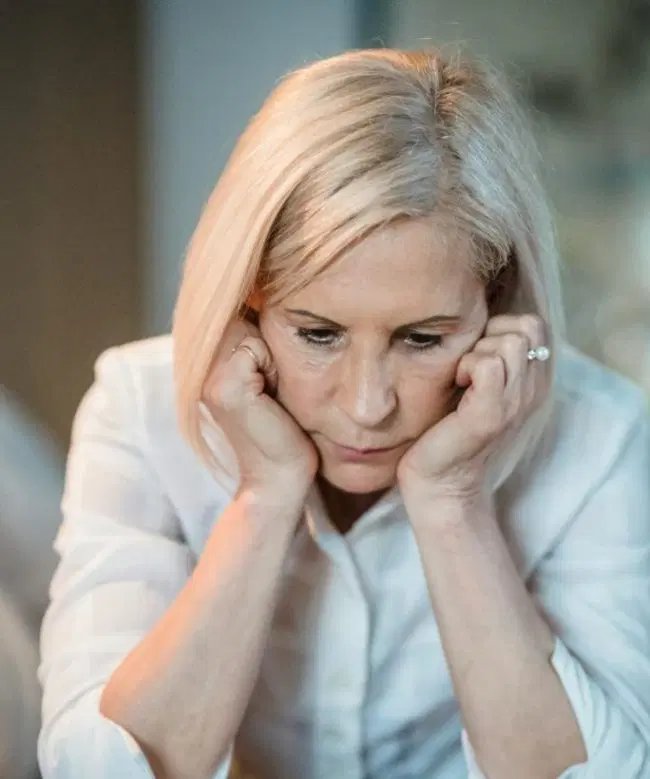
Why Perimenopause Symptoms Spike In Summer (And What Helps)
(MENAFN- Budget and the Bees) Perimenopause can feel unpredictable at any time of year, but many women notice that symptoms become especially intense during the summer months. Suddenly, hot flashes seem hotter, sleep becomes more difficult, and irritability can feel harder to manage. If you've ever wondered whether the summer heat is making your perimenopause symptoms worse, you're not imagining it. Experts say hormonal changes can make the body's temperature regulation system more sensitive, and when outdoor temperatures climb, symptoms often become more noticeable. Understanding why this happens can help women take practical steps to stay comfortable and maintain their quality of life during the hottest months of the year.Summer Heat Amplifies an Already Sensitive Temperature System
One of the most common perimenopause symptoms is vasomotor instability, better known as hot flashes and night sweats. Research shows that up to 80% of women experience these symptoms during the menopause transition, making them among the most common complaints during this stage of life. When estrogen levels fluctuate, the brain's temperature-control center becomes more sensitive, making even small increases in body temperature trigger sweating and flushing. Summer heat adds another layer of stress to this already delicate system, often making hot flashes feel more frequent and intense. Many women describe feeling overheated even in air-conditioned environments after spending just a short time outdoors.
Sleep Problems Often Get Worse During Warm WeatherQuality sleep is already a challenge for many women experiencing perimenopause symptoms, and summer temperatures can make matters worse. Night sweats often occur when the body struggles to regulate temperature during sleep, leading to repeated awakenings throughout the night. Even a bedroom that feels slightly warm can increase discomfort and make it harder to fall back asleep. Poor sleep then creates a domino effect, contributing to fatigue, mood swings, brain fog, and increased stress the next day. Recent research has highlighted sleep disturbances as one of the most commonly reported symptoms during perimenopause.
Dehydration Can Intensify Common Perimenopause SymptomsMany people underestimate how quickly dehydration can develop during the summer months. Excessive sweating from both hot weather and hot flashes can lead to fluid loss that affects energy levels, concentration, and overall well-being. Even mild dehydration may worsen headaches, dizziness, fatigue, and feelings of irritability. Women experiencing frequent hot flashes may lose additional fluids throughout the day without realizing it. Consistent hydration with water and electrolyte-rich beverages can help support temperature regulation and reduce symptom severity.
Stress, Travel, and Routine Changes Can Add Fuel to the FireSummer often brings vacations, family gatherings, schedule disruptions, and increased social obligations. While these activities can be enjoyable, they may also create additional stress that affects hormone-sensitive symptoms. Stress has been linked to more frequent and severe hot flashes because it can influence the body's internal temperature regulation and cortisol levels. A woman who is already managing fluctuating hormones may notice more anxiety, mood changes, or sleep difficulties during particularly busy weeks. Maintaining regular exercise, relaxation practices, and consistent sleep habits can help minimize these seasonal disruptions.
What Actually Helps When Symptoms Flare UpThe good news is that several evidence-based strategies can provide relief during the hottest months of the year. Wearing lightweight, breathable clothing and using cooling towels or portable fans can help prevent overheating before symptoms start. Experts also recommend identifying personal triggers such as alcohol, caffeine, spicy foods, and high-stress situations, all of which can contribute to hot flashes. Slow breathing exercises, mindfulness practices, and staying physically active may help reduce symptom frequency for some women. For women whose symptoms significantly affect daily life, discussing hormone therapy or other treatment options with a qualified healthcare provider can be worthwhile, as effective treatments are available.
Summer Doesn't Have to Control Your PerimenopauseAlthough summer can make perimenopause symptoms feel more intense, understanding why it happens can make the season much easier to navigate. Hormonal fluctuations affect the body's ability to regulate temperature, and high outdoor temperatures naturally magnify that challenge. Small adjustments such as prioritizing hydration, improving sleep conditions, reducing triggers, and managing stress can have a meaningful impact. Every woman's experience is different, so it may take some experimentation to find what works best for you. The key takeaway is that worsening symptoms during summer are common, manageable, and not something you simply have to endure.
Have you noticed your perimenopause symptoms getting worse during the summer months? What strategies have helped you stay comfortable when temperatures rise? Share your experience in the comments and join the conversation.

Legal Disclaimer:
MENAFN provides the
information “as is” without warranty of any kind. We do not accept
any responsibility or liability for the accuracy, content, images,
videos, licenses, completeness, legality, or reliability of the information
contained in this article. If you have any complaints or copyright
issues related to this article, kindly contact the provider above.
Most popular stories
Market Research

More Story







Comments
No comment