




403
Sorry!!
Error! We're sorry, but the page you were looking for doesn't exist.
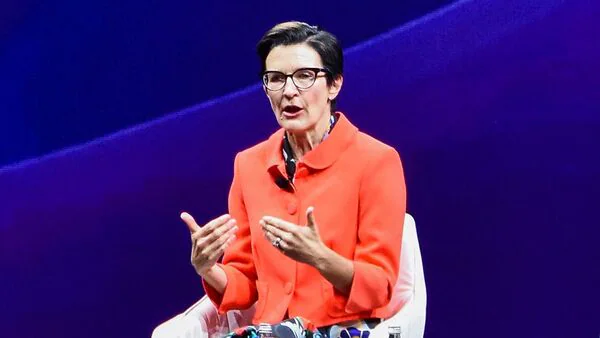
India Faces Same Challenges As Rest Of The World, Stop Selling Yourself Short: Citi's Jane Fraser
(MENAFN- Live Mint) Despite global headwinds, the challenges India faces are similar to those of other countries, and as such India's long-term growth story remains intact, Citi chair and chief executive officer Jane Fraser said on Thursday.
“The long-term story in India is very much intact,” Fraser said during a fireside chat at the Citi India 2026 Conference in Mumbai.“Stop selling yourself short on the short-term challenges, which everybody is facing, as opposed to the long-term potential and trend that the country inexorably is on.”
India is one of Citibank's most important markets, given its global role, economic heft and the client base, and the second-largest region in terms of the number of employees, Fraser said. Most of the bank's clients have major centres in India, not just in terms of technology but also market participation, which is helped by the fact that some of the largest clients are also Indian, she added.“That's a reflection of the role India plays globally.”
Also Read | West Asia conflict rattles oil markets, but Citi sees no rush for credit linesShe contrasted India's forward-looking mindset with the more cautious economic strategies seen in parts of the West.“There are countries and companies that protect what they have, and in the process, they've somewhat diminished what they have. Sadly, my original country, the UK, is one among many such countries in Europe at the moment. Then there are countries and companies where they build what they need, even if that means disrupting what they have. That's India,” she said.
Discussions with PMFraser, who met with Prime Minister Narendra Modi on Wednesday, said the message from the government is“very clear”: commitment to the reform agenda, the important role of the private sector, and support for various industries.
Other points of discussion included the digital transformation, the evolution of artificial intelligence (AI) and investments in AI infrastructure, energy security and the challenges from the West Asia war, and the growing focus on renewable energy.
“[The prime minister] said everything is not rosy. There are a few challenges. But then he had a very clear vision and thought in terms of the few priorities that the government is focused on,” Fraser said, adding that she appreciated and found comfort from the PM's vision and transparency.
Also Read | What do the Supreme Court's draft AI rules mean for India's justice system?While India remains a complex market and needs more work, it remains one of the fastest-growing major economies despite the global headwinds, she said. One of the reasons for this is that companies in India build what is needed even at the cost of disrupting existing structures, Fraser added, saying that she was hopeful that AI and digitisation would help unleash more of these new vectors and entrepreneurship in rural and interior parts of the country.
Dual race in AIFraser noted that a dual race is unfolding in AI: businesses are competing to deploy the technology to cut risks and boost efficiency, while simultaneously rushing to neutralize emerging AI threats.
“These new models are unlocking a range of areas that could be threats for us in the future. So that second race is making sure that we are putting in place capabilities to ensure that the negative side of that is diminished and that we're ready for bad actors,” she said.
'Investments will slow if war persists'Fraser said that Citibank's deal activity has been strong so far and global growth has persisted due to the resilience, agility and adaptability of global companies.
“With so much transformation going on, we're seeing a lot more M&A activity. When things move so fast, it's cheaper to acquire something than to try and build it yourself, in many instances. I think part of that sentiment has also driven a lot of deal activity,” she said, adding that large investments are also ensuring steady activity on raising capital.
Also Read | The clutches of Hormuz: India needs a carefully designed escape planHowever, she warned that rising global debt remains a serious concern, and that if the West Asia conflict continues, the world could shift into a "new equilibrium" where strained supply chains and energy shortages begin to inflict far greater economic damage.
“That is a concern. I think some of the market just thinks that we've done such a good job the last few years, as all of the companies, that that will just continue and everything will keep on going right. I think that's probably a tad optimistic,” she said. Uncertainty around interest rates due to high government debt remains an issue, Fraser added.

Legal Disclaimer:
MENAFN provides the
information “as is” without warranty of any kind. We do not accept
any responsibility or liability for the accuracy, content, images,
videos, licenses, completeness, legality, or reliability of the information
contained in this article. If you have any complaints or copyright
issues related to this article, kindly contact the provider above.
Most popular stories
Market Research

More Story






Comments
No comment