




403
Sorry!!
Error! We're sorry, but the page you were looking for doesn't exist.
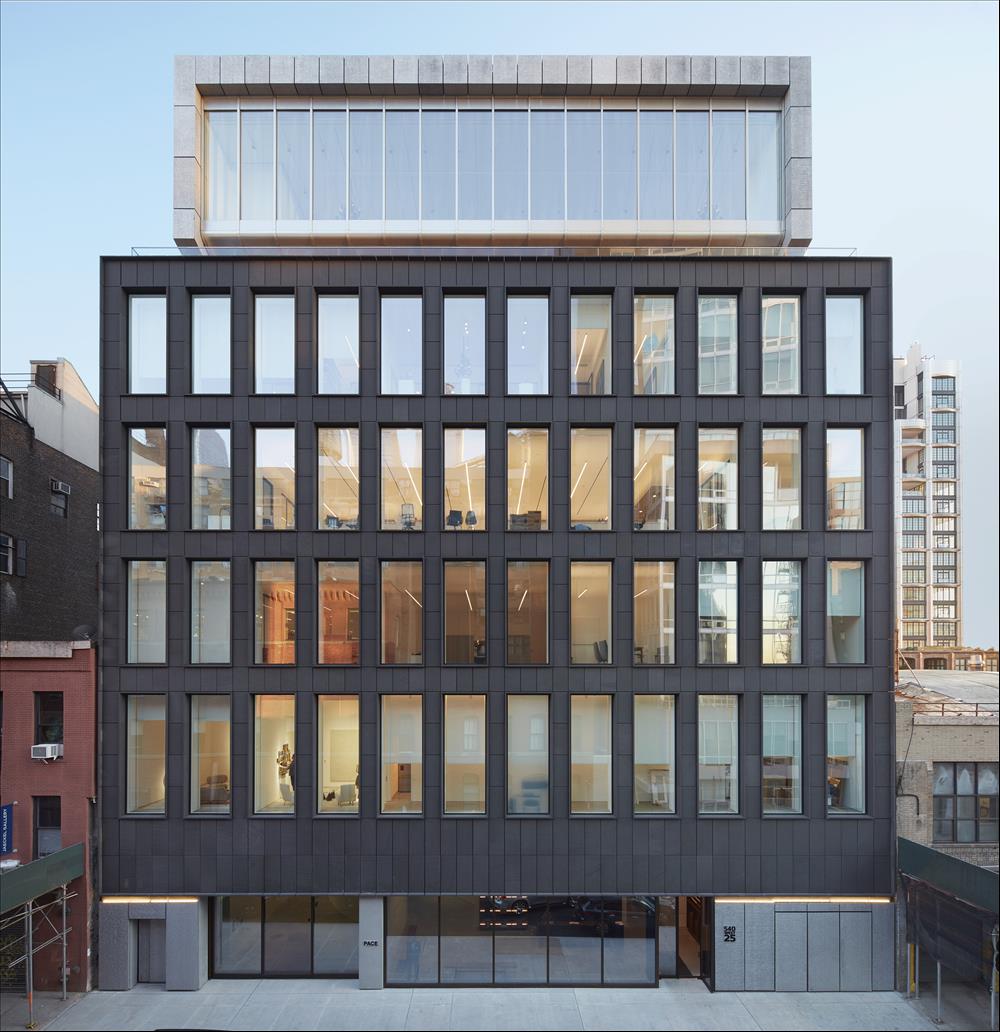
Pace Gallery Downsizes, Cutting Artists And Staff
(MENAFN- USA Art News)
Pace Gallery Cuts 50 Artists as Marc Glimcher Rejects the Mega-Gallery Model
Pace Gallery is making one of the sharpest contractions in its 66-year history. The New York-based gallery is cutting about 50 artists and estates from a roster of more than 130 names, while also laying off roughly 50 of its 250 employees, according to reporting published Wednesday night.
In a statement, CEO Marc Glimcher said the move reflects a deeper reckoning with the structure of the contemporary art market.“The art world has changed dramatically over the past decade, and the current gallery model isn't only broken, it's unfixable,” he said. Glimcher, the son of Pace founder Arne Glimcher, described the shift as a move away from the“mega gallery” model that has dominated recent decades.
That model, he said, has required layers of management that pull attention and resources away from artists. It has also produced rosters so large that galleries cannot adequately support everyone they represent. Pace said it will now focus on around 80 artists.
The gallery did not release a list of those being dropped, but several names have disappeared from its online roster since early this year, including Keith Coventry, Glenn Kaino, teamLab, and John Gerrard. At the same time, Pace has added Anicka Yi and the estate of Constantin Brancusi, both of whom remain on its website.
Founded in Boston in 1960, Pace now operates spaces in New York, Los Angeles, London, Geneva, Berlin, Seoul, and Tokyo. It also participates in more than a dozen art fairs a year, underscoring the scale of the business Glimcher is now trying to streamline.
The restructuring arrives during a prolonged downturn in contemporary art, with the market still recalibrating after years of expansion. Pace had already announced its Art Basel Switzerland presentation on Wednesday; the fair opens to invited guests on June 16, and the booth will include works by longtime Pace artists including Lynda Benglis, Alexander Calder, Agnes Martin, and Louise Nevelson.
For one of the industry's most prominent galleries, the decision reads less like a routine adjustment than a public admission that the old formula no longer fits the market it helped build.

Legal Disclaimer:
MENAFN provides the
information “as is” without warranty of any kind. We do not accept
any responsibility or liability for the accuracy, content, images,
videos, licenses, completeness, legality, or reliability of the information
contained in this article. If you have any complaints or copyright
issues related to this article, kindly contact the provider above.
Most popular stories
Market Research

More Story








Comments
No comment