




403
Sorry!!
Error! We're sorry, but the page you were looking for doesn't exist.
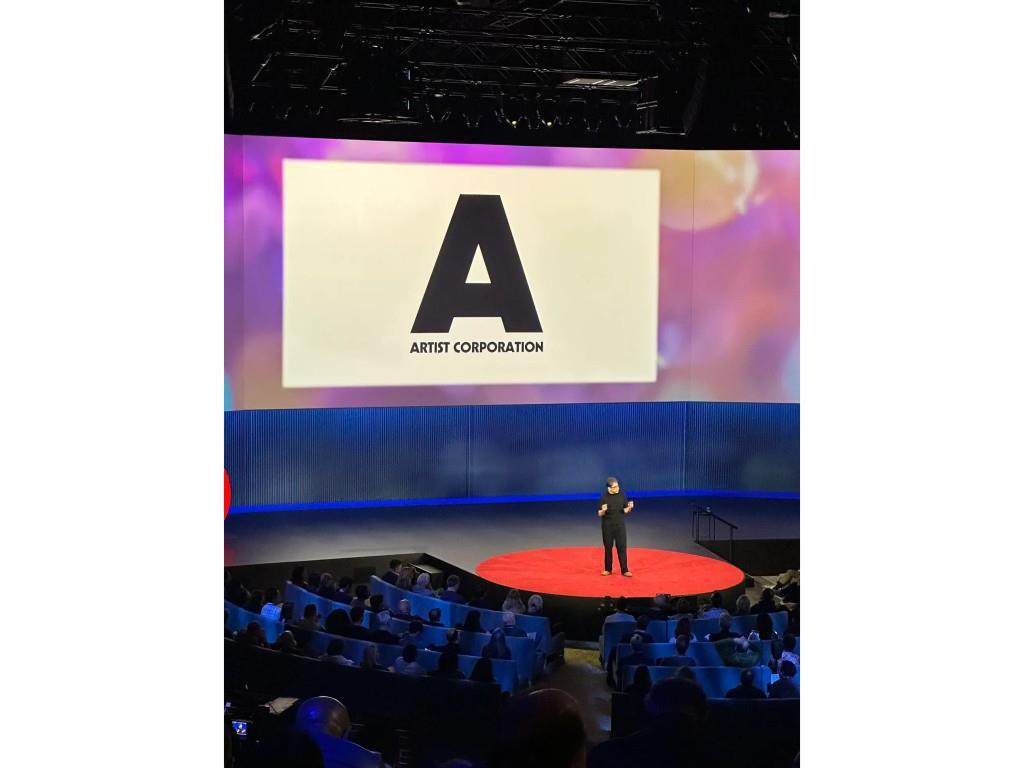
Colorado Governor Signs Artist Corporation Bill Into State Law
(MENAFN- USA Art News)
Colorado Creates First U.S. Artist Company Law, Giving Artists New Control Over Their Work
Colorado has become the first state in the United States to establish a legal business structure designed specifically for artists. On June 2, Governor Jared Polis signed Senate Bill 133, creating what the law calls an Artist Company, or A-Corp - a new type of limited liability company intended to help artists organize their businesses while keeping creative authority in their own hands.
The legislation defines artists broadly, covering people who create written, oral, visual, graphic, literary, musical, audiovisual, digital, or performing art in any medium. But the law is not simply a rebranding of an LLC. It requires artists to control 51% of the voting securities at all times, ensuring that outside investors cannot take command of the company's artistic direction.
Investors may still purchase shares, but those shares do not carry voting power. Ownership units can also be based on financial contributions or in-kind artistic contributions, a provision that could allow artists to build equity through labor, not only capital. Each A-Corp must also define its artistic mission, making the company's purpose part of its legal structure.
Perhaps the most significant safeguard concerns intellectual property. Artistic work licensed to an A-Corp cannot be transferred to non-artist investors or third parties. If the company is dissolved or sold, the rights revert to the artist owner or owners. For artists who have long had to choose between business flexibility and control over their work, that protection may prove especially meaningful.
The idea for the A-Corp was first proposed by Yancey Strickler, co-founder of Kickstarter, during a TED talk last year. Strickler, who spoke at the bill signing, has argued that creative people should have access to the same economic advantages as everyone else. By July 1, 2027, the Colorado Secretary of State will provide standardized formation documents with check-box and fill-in-the-blank provisions covering ownership, governance, intellectual property terms, tax treatment, and more.
For now, Colorado's move stands as a test case. As independent artist Sarah Darlene, who testified during the Senate committee hearing, said, the structure could produce very different outcomes depending on how artists use it. The broader question is whether other states will follow and whether the A-Corp becomes a practical model for artists seeking both autonomy and long-term value in their work.

Legal Disclaimer:
MENAFN provides the
information “as is” without warranty of any kind. We do not accept
any responsibility or liability for the accuracy, content, images,
videos, licenses, completeness, legality, or reliability of the information
contained in this article. If you have any complaints or copyright
issues related to this article, kindly contact the provider above.
Most popular stories
Market Research

More Story








Comments
No comment