




403
Sorry!!
Error! We're sorry, but the page you were looking for doesn't exist.
Math Error Notices Are Spiking - Here's What's Actually Causing Them This Summer
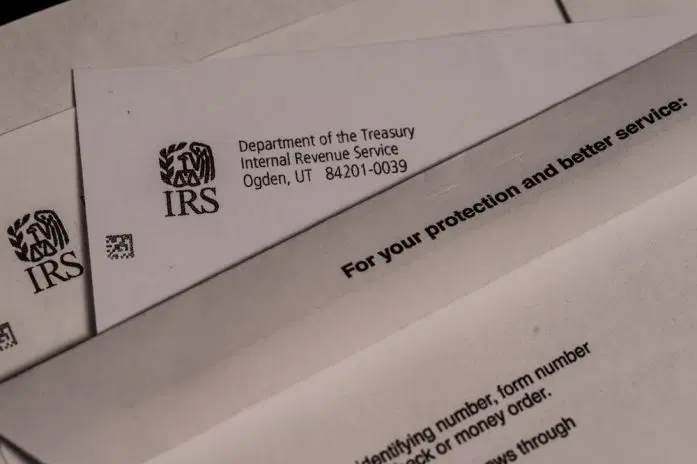
(MENAFN- Free Financial Advisor) IRS math error notices are increasing this summer due to automated system checks, income mismatches, and delayed return reviews. Careful recordkeeping and quick responses can help taxpayers avoid penalties and refund delays – Shutterstock
Tax season may feel like it ends in April, but the IRS keeps working long after the deadlines pass. This summer, more taxpayers are receiving“math error notices,” and many of them are opening mail with a sinking feeling. These notices don't always mean something dramatic, but they do signal that something on a return didn't match IRS records. Small mistakes, mismatched numbers, or missing information often trigger them. The real surprise comes from how quickly these notices are now showing up compared to previous years.
The IRS relies heavily on automated systems to scan millions of tax returns in a short period of time. That automation has made processing faster, but it has also made error detection more aggressive. Even minor discrepancies can now trigger a formal notice without human review. As summer unfolds, the IRS continues reconciling returns, employer reports, and benefit statements. That ongoing reconciliation process explains why so many notices land in mailboxes well after filing season ends.
Why IRS Systems Are Flagging More Math Errors Than BeforeIRS systems now cross-check tax returns against employer and financial institution reports almost instantly. That process creates a tighter net that catches even small inconsistencies. A single transposed digit or a slightly off deduction can trigger a math error notice. The agency does not treat these as audits, but they still require taxpayer attention. The surge this summer reflects how aggressively automated matching systems now operate.
Seasonal processing also plays a role in the timing of these notices. The IRS clears backlogs from peak filing months during late spring and early summer. As the system reviews older returns, it identifies inconsistencies that did not trigger immediate alerts. That delayed review process makes summer a hotspot for corrections. Many taxpayers only realize issues months after filing, which adds to the perception of a sudden spike.
The Most Common Triggers Behind IRS Math Error NoticesSimple calculation mistakes still rank high among the causes of math error notices. These include misreported income totals, incorrect subtraction of credits, or rounding errors that don't match IRS expectations. Tax software helps reduce these mistakes, but manual entries still create risk. Even experienced filers can overlook small inconsistencies when combining multiple income sources. The IRS flags these issues automatically when numbers fail to align across documents.
Tax credits also create frequent mismatches, especially with programs tied to income thresholds. Credits like the Child Tax Credit or Earned Income Tax Credit often depend on precise income reporting from employers and financial institutions. If one form arrives late or contains a different figure, the IRS system flags the return. Mismatches between W-2 forms and reported wages also trigger notices quickly. These issues often lead to small adjustments rather than major penalties, but they still require action.
Why These Notices Feel More Frequent This YearIRS modernization efforts have expanded the use of automated compliance tools across all tax filings. That shift has increased detection speed and reduced manual review time. As a result, taxpayers now receive notices more consistently when discrepancies appear. The agency also prioritizes faster correction cycles, which pushes notifications out sooner than in past years. That combination makes the volume of notices feel heavier even if total errors remain steady.
Economic changes also contribute to reporting mismatches across multiple income streams. More people now work gig jobs, freelance contracts, or hybrid employment setups. Each income source generates separate reporting forms, which increases the chance of mismatched totals. Inflation and shifting tax credits also add complexity to filings. These factors create a wider range of data points for the IRS to compare, which naturally produces more flagged returns.
How Taxpayers Can Respond Fast and Avoid Costly DelaysIRS math error notices always include instructions that outline the exact issue found in the return. Responding quickly helps prevent additional penalties or delayed refunds. Taxpayers should review each line carefully and compare it with original documents such as W-2s, 1099s, and credit worksheets. If the IRS made the error, correction requires clear documentation and prompt submission. If the taxpayer made the mistake, adjusting the return early keeps the issue from escalating.
Accuracy during the next filing cycle also reduces future risk. Organizing income documents throughout the year helps prevent last-minute errors during tax season. Double-checking figures before submission catches many issues before the IRS does. Many tax professionals now recommend reviewing returns twice before filing due to increased system sensitivity. Small improvements in recordkeeping often eliminate the conditions that trigger these notices in the first place.
What's Driving the Surge in Notices?IRS math error notices continue rising this summer because automation, timing delays, and complex income reporting all intersect at once. The system now detects discrepancies faster and more frequently than ever before. Taxpayers who respond quickly and stay organized reduce stress and avoid unnecessary complications. Staying alert to small details creates the strongest defense against future notices.
What's your take on the rising number of IRS notices this year-do you think automation helps or makes taxes more stressful?

Legal Disclaimer:
MENAFN provides the
information “as is” without warranty of any kind. We do not accept
any responsibility or liability for the accuracy, content, images,
videos, licenses, completeness, legality, or reliability of the information
contained in this article. If you have any complaints or copyright
issues related to this article, kindly contact the provider above.
Most popular stories
Market Research

More Story







Comments
No comment