




403
Sorry!!
Error! We're sorry, but the page you were looking for doesn't exist.
The Hidden Danger Of Summer Sunscreen Ingredients No One Is Talking About
(MENAFN- Budget and the Bees) Summer is here, and sunscreen is once again a daily essential for millions of Americans heading to beaches, pools, parks, and backyard cookouts. Most people assume that if a sunscreen product is sitting on a store shelf, it has already been fully proven safe for long-term use. But growing research is raising questions about several common sunscreen ingredients that are absorbed into the body after application. Dermatologists still strongly recommend sunscreen to prevent skin cancer and premature aging, yet many consumers remain unaware that some chemical UV filters are under increased scientific scrutiny. The conversation is no longer just about preventing sunburn - it is also about understanding exactly what goes onto your skin every single day.Why Some Sunscreen Ingredients Are Facing New Scrutiny
The biggest concerns center around chemical sunscreen ingredients like oxybenzone, octinoxate, octocrylene, and homosalate, which are commonly found in many popular SPF products. Research reviewed by the FDA has shown that several of these compounds can enter the bloodstream at levels higher than previously expected after repeated use. That does not automatically mean they are dangerous, but experts say more safety data is needed to fully understand long-term exposure risks. Some studies have linked certain sunscreen ingredients to hormone disruption concerns, particularly oxybenzone, which has been detected in urine, blood plasma, and even breast milk samples. This growing body of evidence has pushed consumers to look more carefully at sunscreen labels instead of relying solely on marketing claims.
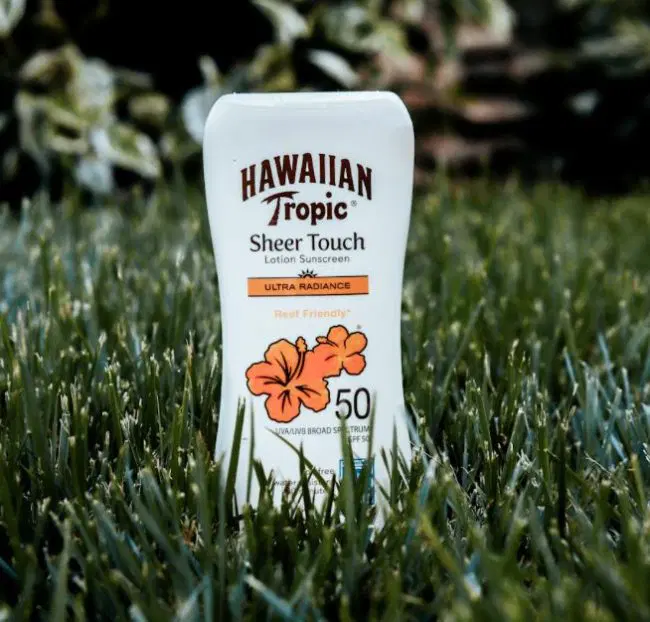
The“Reef-Safe” Label Can Be MisleadingMany shoppers assume that products labeled“reef-safe” are automatically healthier for people too, but the reality is more complicated. The term“reef-safe” is not tightly regulated in the United States, meaning brands can use it without meeting a universal scientific standard. Hawaii and several coastal regions have already restricted sunscreens containing oxybenzone and octinoxate because of concerns about coral reef bleaching and marine ecosystem damage. However, environmental experts note that other ingredients may still pose ecological concerns even if a product avoids those two chemicals. For consumers, the safest approach is reading the active ingredient list directly instead of trusting front-label buzzwords alone.
Spray Sunscreens May Carry Hidden RisksSpray sunscreen has become incredibly popular because it feels lighter, applies quickly, and avoids the greasy texture many people dislike. But aerosol sunscreens come with an additional concern that many families overlook during outdoor activities. Health experts warn that spray sunscreen particles can be inhaled, especially when applied to children or used in windy conditions near the face. Some researchers have questioned whether repeated inhalation exposure to sunscreen chemicals could create respiratory risks over time, although studies are still ongoing. Dermatologists often recommend spraying sunscreen into your hands first before applying it to the face to reduce accidental inhalation.
Mineral Sunscreens Are Gaining More AttentionAs questions about chemical sunscreen ingredients continue to grow, mineral sunscreen products have become far more popular in recent years. Mineral sunscreens typically use zinc oxide or titanium dioxide, which sit on top of the skin and physically block UV rays instead of absorbing them chemically. The FDA currently considers these two mineral ingredients generally recognized as safe and effective for sun protection. Parents of young children and people with sensitive skin are increasingly switching to mineral formulas because they are less likely to cause irritation or allergic reactions. While older mineral sunscreens were known for leaving a chalky white cast, newer formulas are now designed to blend more easily into different skin tones.
What Consumers Should Actually Look ForExperts stress that avoiding sunscreen altogether is far more dangerous than using a product with debated ingredients because UV exposure remains a major skin cancer risk. The American Academy of Dermatology still recommends using broad-spectrum sunscreen with at least SPF 30 every day during prolonged sun exposure. Consumers who want to reduce potential ingredient concerns can choose fragrance-free mineral sunscreen products and avoid sprays whenever possible. Checking ingredient labels for oxybenzone, octinoxate, octocrylene, and homosalate can help shoppers make more informed decisions based on their comfort level. It is also smart to combine sunscreen with additional protection strategies like wide-brimmed hats, sunglasses, UPF clothing, and seeking shade during peak afternoon sunlight.
What do you think about the growing concerns surrounding sunscreen ingredients? Have you switched to mineral sunscreen, or do you still prefer traditional chemical formulas? Share your thoughts and experiences in the comments below - your perspective could help other readers make safer summer choices.

Legal Disclaimer:
MENAFN provides the
information “as is” without warranty of any kind. We do not accept
any responsibility or liability for the accuracy, content, images,
videos, licenses, completeness, legality, or reliability of the information
contained in this article. If you have any complaints or copyright
issues related to this article, kindly contact the provider above.
Most popular stories
Market Research

More Story








Comments
No comment