




403
Sorry!!
Error! We're sorry, but the page you were looking for doesn't exist.
Shrinkflation Strikes Again: 12 Products Getting Smaller This Year
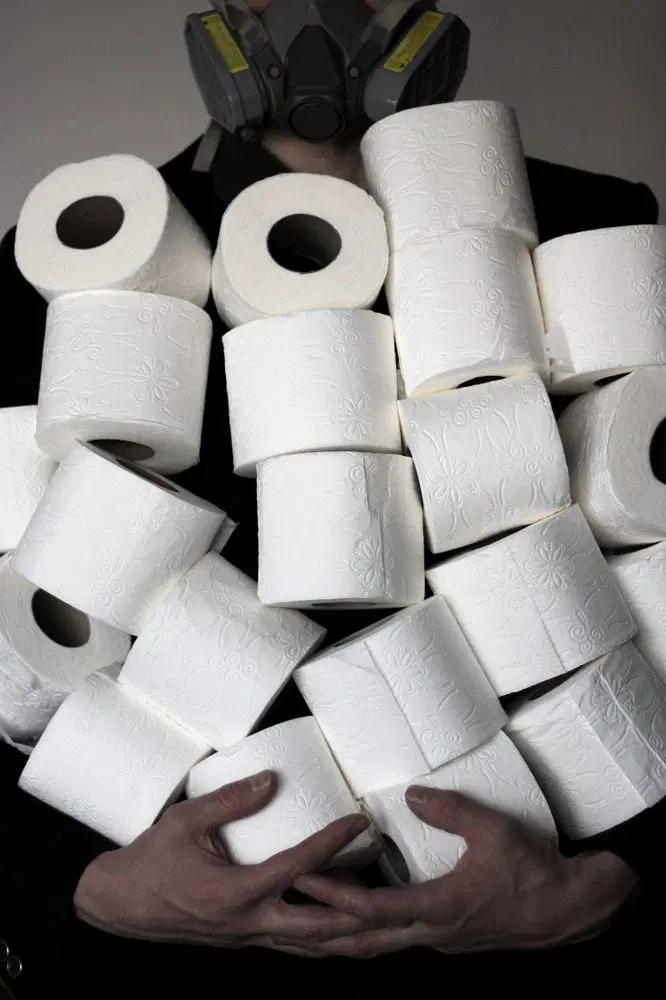
(MENAFN- Grocery Coupon Guide) Toilet paper companies are quietly reducing the number of sheets on each roll and even the width of the paper. You find yourself replacing the roll much faster than you did in previous months at your own home. Always compare the total sheet count or the square footage to get the real story on value today. Pexels.
Shrinkflation is the sneaky way that companies raise prices without changing the number on the sticker. They simply reduce the amount of product inside the package while keeping the cost the same. You might not notice the smaller size at first, but your wallet certainly feels the difference over time. It is a widespread trend that is affecting everything from snacks to household cleaning supplies in 2026. Here are 12 common products that have been recently reduced in size or volume.
1. Breakfast Cereal BoxesCereal manufacturers are famous for shaving ounces off their boxes while keeping the price high for the customer. You might notice that the box looks just as tall, but it feels much lighter in your hands. This is a classic example of shrinkflation that is designed to go unnoticed by the average shopper today. Keep an eye on the net weight rather than the size of the box on the shelf. It is the only way to track the true cost of your breakfast.
2. Packaged Potato ChipsHave you noticed that the bags of chips feel more like air than actual snacks when you pick them up? Many snack companies are reducing the number of chips in the bag while keeping the same price at the store. It is frustrating to open a large bag and find it is barely half full for your family. You are paying more for the air inside than for the food you actually want to eat. Always check the weight listed on the back of the bag.
3. Paper Towel RollsPaper towel rolls are getting thinner, and the sheets are often smaller than they were just a year ago. You end up using more of the product to clean up the same mess in your kitchen area. It is a hidden cost that makes these household essentials much more expensive than they first appear to be. Manufacturers count on you not noticing the change in thickness or sheet size for your home. Compare the total square footage rather than the number of rolls.
4. Canned SoupSoup cans have been shrinking in volume for years as companies try to protect their profit margins from inflation. Many standard sizes that used to be sixteen ounces are now fourteen or even twelve ounces today. You get less for your money even though the shelf price stays the same during the year. It is a subtle change that requires you to be very observant while you shop for dinner. Check the label to see exactly how much you are getting.
5. Laundry Detergent BottlesLaundry detergent bottles are getting smaller, while the instructions now suggest using less product for your daily wash. They hope you will keep using your old habits and run out faster so you have to buy more. It is a cycle of consumption that benefits the manufacturer more than it benefits your own household budget. Pay close attention to the number of loads listed on the bottle rather than the physical size. This is the best way to compare value.
6. Chocolate BarThose favorite chocolate bars you grab at the checkout line have been getting smaller for a long time. The bars are thinner and narrower, but the price has remained the same or even gone up slightly. It is a common tactic to keep the product accessible while protecting the bottom line of the candy company. You are paying for the same brand experience with less actual chocolate than you used to get. It is a small but noticeable change for anyone who tracks these things.
7. Yogurt CupsYogurt containers are often slightly smaller than they were last year to save money on the total ingredients. You might think you are getting the same serving, but check the bottom or the label for the volume. It is a very common place for shrinkflation to hide in your local dairy section today. Most shoppers never check the specific weight of their yogurt cups when they are in a rush. Being aware helps you make a better decision about the price.
8. Coffee BagsCoffee brands are reducing the weight of their bags while maintaining the same premium price on the shelf. You might have been buying a full pound of beans, but now it is often fourteen ounces. This is a significant drop that adds up if you drink coffee every single day at home. Read the fine print to see what you are actually buying before you put it in your cart. It is one of the easiest ways to get less for your money.
9. Dish Soap BottlesDish soap bottles are becoming smaller, and the liquid inside is often being thinned out. You need to use more to get the same level of cleaning power for your dishes and pans. This means you are buying the product more often and spending more money over the entire year. It is a classic move to make you think the price is stable while your costs rise. Compare the price per ounce to see the true cost.
10. Frozen PizzaFrozen pizzas have been shrinking in diameter, and the crusts are often thinner than they were just a while ago. You get fewer toppings and less crust for the same price you have always paid at the store. It is a way for the companies to hide their own rising ingredient costs from the everyday consumer. Always look at the total weight of the pizza before you decide which one to buy today. It is the best metric for comparing value.
11. Peanut Butter JarsPeanut butter jars are often slightly smaller than they used to be, even though the design looks identical. The indentations at the bottom of the jar take up space that used to be filled with peanut butter. It is a clever design change that hides the reduced amount of product from your eye. Check the weight on the front of the jar to see how much you are actually paying for. You will often be surprised by how much is missing.
12. Toilet PaperToilet paper companies are reducing the number of sheets on each roll and even the width of the paper. You find yourself replacing the roll much faster than you did in previous months at your home. It is a very sneaky way to raise the price of an essential item that you must have. Compare the total sheet count or the square footage to get the real story on value. Don't be fooled by the large packaging sizes.
A New RealityShrinkflation is a reality that every shopper must face in 2026 when visiting their local grocery store. By staying observant and checking the weight or volume, you can avoid getting less for your hard-earned money. Do not trust the packaging to look the same as it did in the past for your needs. Smart shopping today requires a little more attention to detail than ever before in our economy. Stay sharp and make sure you get exactly what you are paying for every single time.
What To Read NextShrinkflation Warning: 5 Household Brands Reducing Package Sizes in 2026
11 Foods Shrinking in Size but Not Price And Costing You More Per Bite
10 Pantry Items Shrinking in Size While Prices Hold Steady
8 Grocery Staples Stores Are Shrinking Without Lowering Prices
Shoppers Are Catching Shrinkflation More Easily This Month

Legal Disclaimer:
MENAFN provides the
information “as is” without warranty of any kind. We do not accept
any responsibility or liability for the accuracy, content, images,
videos, licenses, completeness, legality, or reliability of the information
contained in this article. If you have any complaints or copyright
issues related to this article, kindly contact the provider above.
Most popular stories
Market Research

More Story








Comments
No comment