




403
Sorry!!
Error! We're sorry, but the page you were looking for doesn't exist.
Why Bringing Down Oil's Price Is So Hard
(MENAFN- Asia Times)
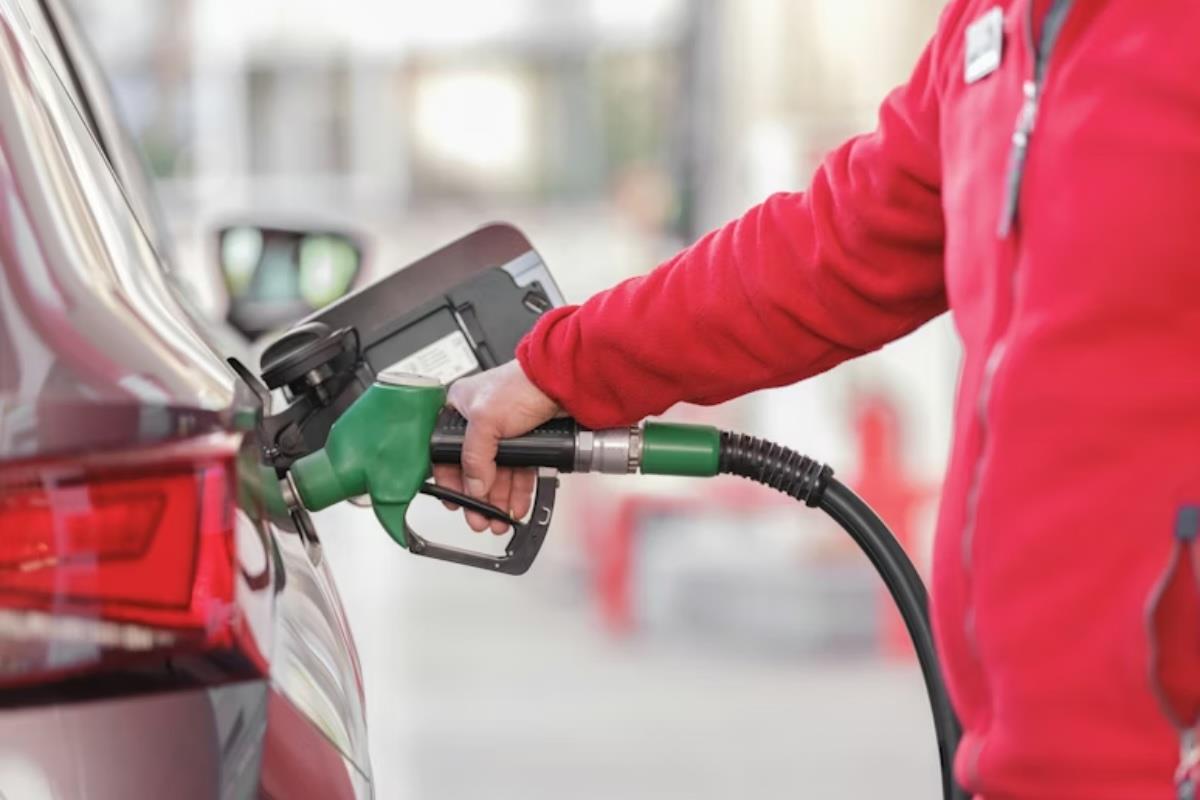
Between assurances from President Donald Trump that a peace agreement is all but wrapped up and renewed skirmishes, the price of oil rises and falls. Even at recent lows, crude's price is 40% higher than in late February when the Iran war began.
Someday – tomorrow? next week? next month? – the United States and Iran may announce an agreement to end the war. Odds are it will leave decisions on gnarly issues like Iran's uranium stockpile and the lifting of sanctions for later talks.
Still, an agreement could be good news for farmers, who've been squeezed by higher fertilizer and diesel prices, and drivers, who've been experiencing shell shock at the pump. I say“could” rather than“would” for two important reasons.
First, the Strait of Hormuz is Iran's main leverage in the continuing talks. No one should expect the Iranians to give it up entirely. Even if they agree to“open” the strait and promise not to charge tolls, they could maneuver to retain at least some control. And having demonstrated the ability to close the strait, they can always close it again.
Second, even if the Iranians don't play games with the opening, oil shortages are likely to continue. It will take weeks to sweep the mines. It will take months to resume production at shut-in oil wells. It will take years to repair the damage to Middle East refineries, pipelines and other oil and gas facility casualties of the war.

Legal Disclaimer:
MENAFN provides the
information “as is” without warranty of any kind. We do not accept
any responsibility or liability for the accuracy, content, images,
videos, licenses, completeness, legality, or reliability of the information
contained in this article. If you have any complaints or copyright
issues related to this article, kindly contact the provider above.
Most popular stories
Market Research

More Story







Comments
No comment