




403
Sorry!!
Error! We're sorry, but the page you were looking for doesn't exist.
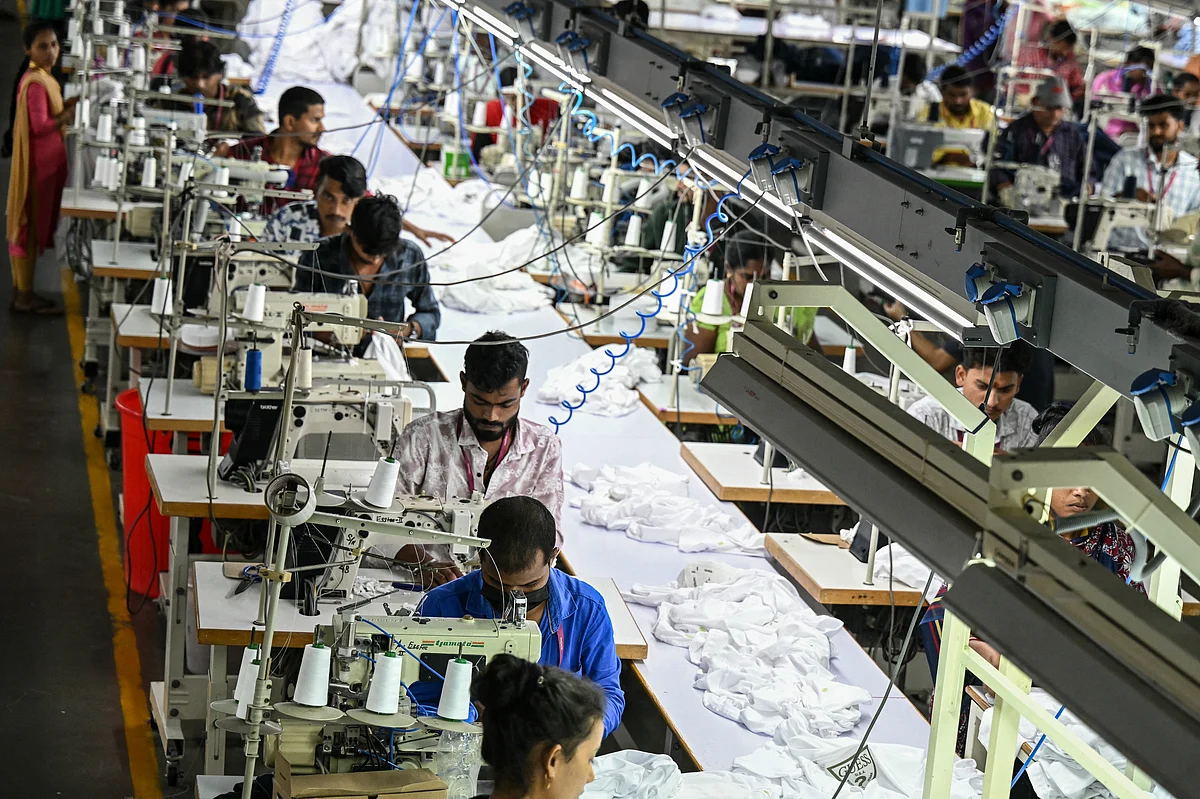
US Targets India With 12.5% Forced Labour Tariff Under Trade Act
(MENAFN- Khaleej Times) The United States Trade Representative (USTR) on Wednesday proposed a 12.5 per cent tariff on India as it failed to impose“a legal prohibition on the importation of goods produced wholly or in part with forced labour...and failed to effectively enforce such a prohibition”.
Jamieson Greer, the USTR, also proposed similar or slightly lower tariffs on nearly 60 other countries, including China, Japan, South Korea, and UK; while Pakistan, the European Union, Canada and Mexico face a 10 per cent tariff.
Recommended For You Trump says no more Israel troops going to Beirut; Hezbollah agrees to stop shooting“The failure of our most important trading partners to address the importation of goods made with forced labor is unacceptable,” said Greer, adding:“This creates a dynamic where American workers are forced to compete globally on an unlevel playing field.
Stay up to date with the latest news. Follow KT on WhatsApp Channels.
"We will no longer tolerate this disparity. Some trading partners have taken initial steps to prevent the importation of forced labor goods. However, each of our trading partners must do more to ensure that trade does not perversely encourage and entrench forced labor globally,” he added.
Greer continued:“We found that the failure to impose and effectively enforce a forced labor import prohibition burdens or restricts U.S. commerce. For the foregoing reasons, the results of this investigation indicate that the acts, policies and practices of India related to the failure to impose and effectively enforce a forced labour import prohibition are unreasonable and burden or restrict U.S. commerce."
US Trade Act of 1974The USTR said India and China had failed to impose a legal prohibition and effectively enforce restrictions on goods linked with forced labour. The proposed action of the USTR is under section 301 of the US Trade Act, 1974, the same law that was used by President Donald Trump in his first term to impose tariffs on China.
India has denied the allegations under the forced labour clause and had asked the US to end the probes, pointing out these should be addressed within the framework of ongoing bilateral trade negotiations.
Incidentally, India was one of the worst-hit by the International Emergency Economic Powers Act (IEEPA) tariffs, which were later declared illegal by the US Supreme Court. But on Tuesday, the US Justice Department appealed against the order in the US Trade court.
The USTR is seeking written comments on the new action by July 6, and a public hearing is scheduled for the next day, when the new tariffs could be imposed.
ALSO READ- India delays US trade talks after Supreme Court rejects Trump tariffs, source says 'Too early to tell': Trump's tariffs impact on Indian economy, says minister US launches unfair-trade probes to rebuild Trump's tariff pressure

Legal Disclaimer:
MENAFN provides the
information “as is” without warranty of any kind. We do not accept
any responsibility or liability for the accuracy, content, images,
videos, licenses, completeness, legality, or reliability of the information
contained in this article. If you have any complaints or copyright
issues related to this article, kindly contact the provider above.
Most popular stories
Market Research

More Story




Comments
No comment