




403
Sorry!!
Error! We're sorry, but the page you were looking for doesn't exist.
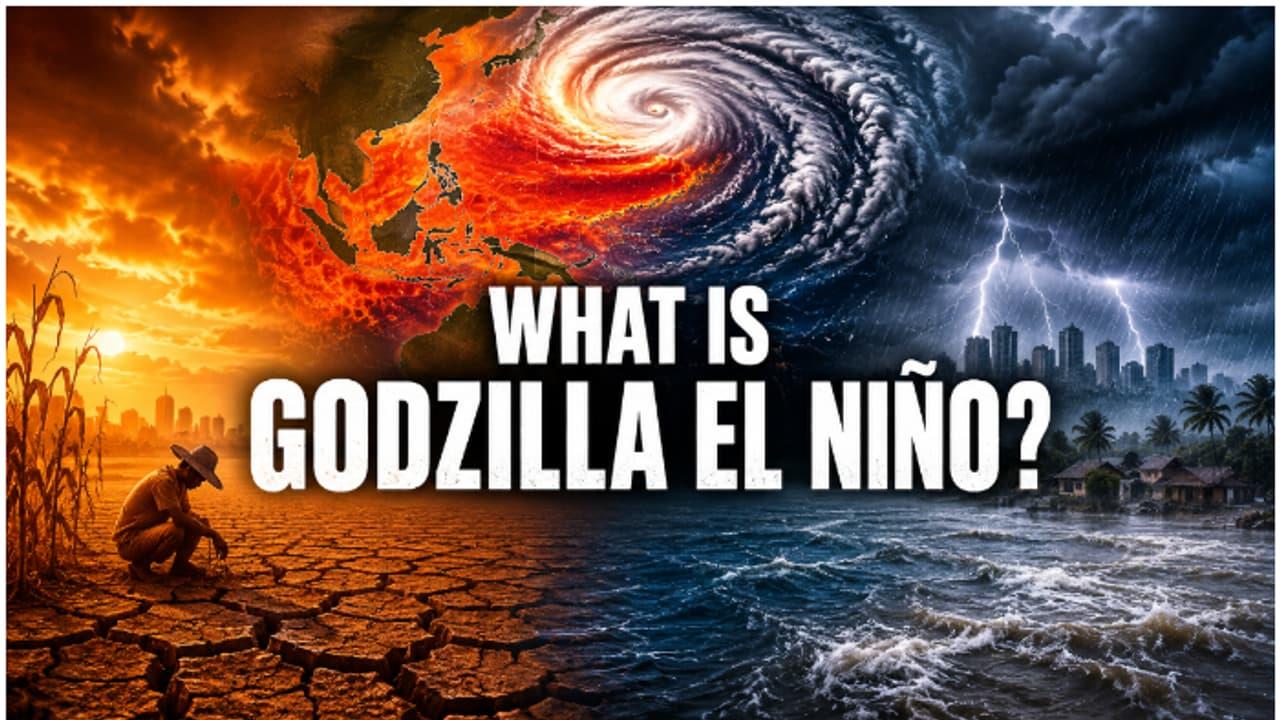
What Is Godzilla El Nino? Why India Could Face Heatwaves, Droughts And Floods
(MENAFN- AsiaNet News) ![]()
![]()
What Is Godzilla El Nino? A powerful El Niño event, often called "Godzilla El Niño," is expected to emerge in the Pacific, raising concerns about extreme weather across Asia. Experts warn it could bring droughts, floods, crop losses, prolonged heat
The term "Godzilla El Niño" refers to an exceptionally strong El Niño event capable of disrupting weather patterns across large parts of the globe. Scientists are closely tracking rising sea surface temperatures in the Pacific Ocean, which indicate that a major El Niño could develop in the coming months.
ALSO READ: Kolkata Weather LATEST Update: Bengal Scorches Under Humid Heat; IMD Predicts Thunderstorms and Rain Ahead
Why Experts Are Calling It a 'Godzilla' El Niño
El Niño occurs when ocean temperatures in the central and eastern Pacific become significantly warmer than average. While the phenomenon is a regular part of Earth's climate cycle, particularly intense events are often nicknamed "Godzilla El Niño" because of their ability to trigger widespread and severe weather impacts.
Meteorologists say current ocean conditions resemble the early stages of a strong El Niño, raising concerns about rising global temperatures and increased climate volatility. Historically, powerful El Niño episodes have been linked to extreme weather events across Asia, Australia, Africa and the Americas.
How It Could Impact Southeast Asia
Southeast Asia is expected to be one of the regions most affected by a strong El Niño. Reduced rainfall and prolonged heat could lead to drought-like conditions, placing pressure on water supplies and agricultural production.
However, experts warn that the impacts may not be limited to dry weather. Warmer atmospheric conditions can fuel intense bursts of rainfall, increasing the risk of flash floods and urban flooding. This unusual combination of drought and sudden flooding is often described as climate whiplash, making disaster management more challenging.
For India, a strong El Niño is closely watched because of its influence on the southwest monsoon, which provides nearly 70% of the country's annual rainfall. Historically, several El Niño years have been associated with below-normal monsoon rainfall, increasing the risk of drought in some regions and affecting agricultural output.
At the same time, El Niño does not always mean uniformly dry conditions. Some parts of India may experience erratic rainfall patterns, including periods of intense rain that can trigger floods and landslides. Higher temperatures could also increase the frequency and severity of heatwaves, particularly across northern, central and western India. Any disruption to rainfall could impact crop production, food prices, reservoir levels and rural livelihoods, making the phenomenon a major concern for policymakers and farmers alike.
Risks to Agriculture, Economy and Public Health
The consequences of a strong El Niño could extend well beyond weather patterns. Reduced crop yields may affect food security and agricultural incomes, while water shortages could impact industries and power generation.
In Southeast Asia, drier conditions could increase the likelihood of forest and peatland fires, leading to haze pollution that often spreads across national borders. Combined with existing economic pressures such as rising energy costs and global uncertainty, climate-related disruptions could place additional strain on households and governments.
Whether it is officially labeled a "Godzilla" El Niño or simply a strong El Niño event, experts agree that the risks are substantial. From droughts and heatwaves to floods and agricultural losses, the phenomenon has the potential to affect millions of people across Southeast Asia and India. As climate extremes become more common, preparedness and resilience will be crucial in reducing the impact of future weather shocks.

Legal Disclaimer:
MENAFN provides the
information “as is” without warranty of any kind. We do not accept
any responsibility or liability for the accuracy, content, images,
videos, licenses, completeness, legality, or reliability of the information
contained in this article. If you have any complaints or copyright
issues related to this article, kindly contact the provider above.
Most popular stories
Market Research

More Story






Comments
No comment