




403
Sorry!!
Error! We're sorry, but the page you were looking for doesn't exist.
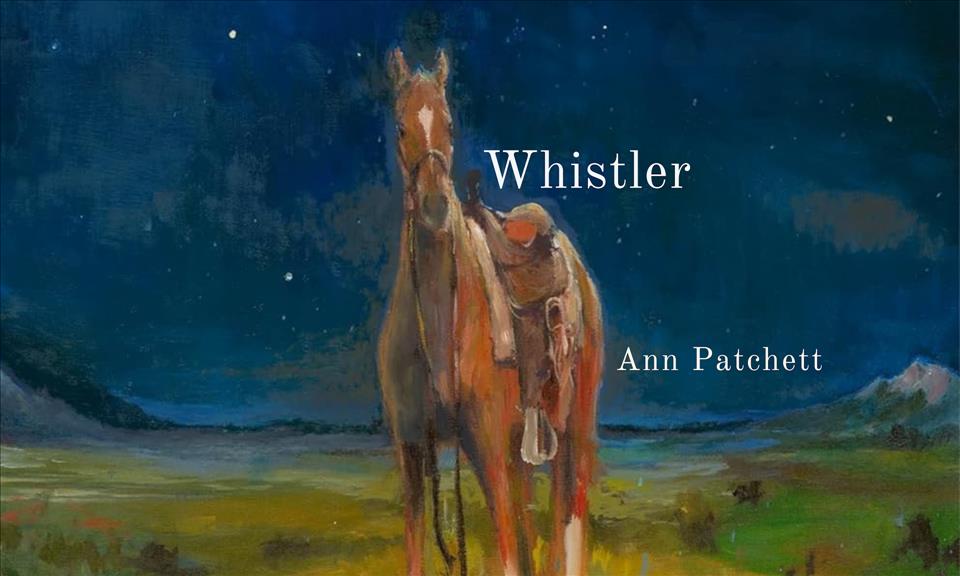
Whistler By Ann Patchett: A Pacy Metafiction Where Rich People Are Nice To Each Other
Author: Rona Cran
(MENAFN- The Conversation) In Ann Patchett's 11th novel Whistler, a former stepfather and stepdaughter, Eddie and Daphne, meet again by chance after 44 years. They rekindle their bond (before long, Eddie is introducing Daphne as“my daughter”) and revisit the events that prompted Eddie's abrupt departure from her life when she was nine.

Eddie is a fiction editor beloved by everyone – his name“a bass note called again and again”. Daphne is a private school English teacher“safely past 50”, who describes her post-Eddie childhood as a period of“estrangement”. Both had (unrealised) ambitions to be novelists.
We meet them in the present, in New York's Met Museum on a spring day, and leave them in their past,“hand in hand” in an ambulance, in Massachusetts in the snow.
Their reunion brings together a handful of wealthy, white-collar, middle-aged and elderly people who are related either by blood, marriage or former marriage. They all reflect, gently, on their lives and relationships. Forgotten family stories are brought tenderly into the light.
There are characters called Trip and Buddy and Candy and Dr Ocean. Despite broken marriages, closeted sexuality and at least one long-term affair, everyone gets along pretty well.
They visit each other's homes, eat brunch, and occasionally drink slightly too much. They give each other lifts, and take each other to hospital appointments. They bring each other glasses of water, and offer up the guest room. They are forgiving of each other:
The novel's characters are thoughtful about the past and how to approach it.“Let me know when I cross the line,” Daphne says to Eddie, as they probe the origins of the lifelong affair he has had with his married best friend.
Despite occasional gestures to interpersonal conflicts, everyone is just quite nice to each other. Patchett's gathering cliches to describe these disputes (the odd“whiff of betrayal” or knowledge of“something fishy going on”) undermine any tension.
Eddie is gay. This is the reason Daphne's mother divorced him – but there's no bad blood between them. Their reunion is oddly affectless, as described by Daphne:
Whistler is full of doomed marriages – deaths, divorces and stepparents abound – but none are framed as tragic or traumatising. Rather, the lingering dead – a roguish father; a wife whose main character trait is collecting rabbit paintings; even a curmudgeonly stepfather whose contribution to American letters is a book series called Positivity! – are spoken of with warmth by those whose new unions their deaths have occasioned.
The dissolution of parental relationships and the formation of new ones are received by turns with delight, equanimity or, at worst, indifference.
Health crises – a car accident, a fall from a horse, appendicitis, leukemia – are not catastrophes. Rather, they occur in the context of high-quality healthcare (“Every patient had their own pod with frosted-glass dividers and floor-to-ceiling windows overlooking the city”) and bring characters together in service of the novel's central theme: the endurance of familial love, in its multifaceted iterations.
Whistler is a chestnut mare, and the central figure in an unwritten book-within-the-book that editor Eddie“tried for years” to acquire.
It's a slightly hokey parable about a near-death experience that reads like a pitch for a Mitch Albom (Tuesdays with Morrie) novel. Stranded on a remote hillside,“badly hurt and alone”, Whistler's rider is benignly visited by her dead dog, son, father and best friend, before the horse returns to save her life.
Like several of Whistler's key plot points (a broken ankle; the protagonists' novelistic ambitions; a sister who is a therapist and can therefore unpack any narrative complexities the reader may have overlooked), Patchett offers this story knowingly. Whistler is a novel that knows it's a novel.
Its metafictionality is sometimes subtle, but it collapses under its own weight in the closing pages, when Eddie suggests that Daphne write“it all down”. In the proposed book, Eddie, who has leukemia, suggests:“I don't die. In the book, we're sitting on this bench, talking about a book about the two of us, and then the story stops.” Reading this felt like learning it had all been a dream.
Whistler reminded me of William Stafford's poem The Magic Mountain, which begins:
And yet, there is something compelling about it. Whistler is even, strangely, a pacy read, partly because it's heavy on dialogue. It doesn't always work – Patchett's prose is placid, and there is a lot of exposition.
But it's interesting to read a novel that so relentlessly engages the idea of niceness, especially among the kind of wealthy people – people who own boats or live in apartments with doormen – who are more often found, in literary and popular fiction, stabbing each other in the back. As Eddie says to nine-year-old Daphne:“I swear to you, it's mostly good people out there.”
This article features references to books that have been included for editorial reasons, and may contain links to bookshop. If you click on one of the links and go on to buy something, The Conversation UK may earn a commission.
Institution:University of Birmingham

Legal Disclaimer:
MENAFN provides the
information “as is” without warranty of any kind. We do not accept
any responsibility or liability for the accuracy, content, images,
videos, licenses, completeness, legality, or reliability of the information
contained in this article. If you have any complaints or copyright
issues related to this article, kindly contact the provider above.
Most popular stories
Market Research

More Story







Comments
No comment