




403
Sorry!!
Error! We're sorry, but the page you were looking for doesn't exist.
Illinois Shoppers Are Watching Meat Prices More Closely This Month-And Many Are Changing What They Buy - Everybody Loves Your Money Illinois Shoppers Are Watching Meat Prices More Closely This Month-And Many Are Changing What They Buy
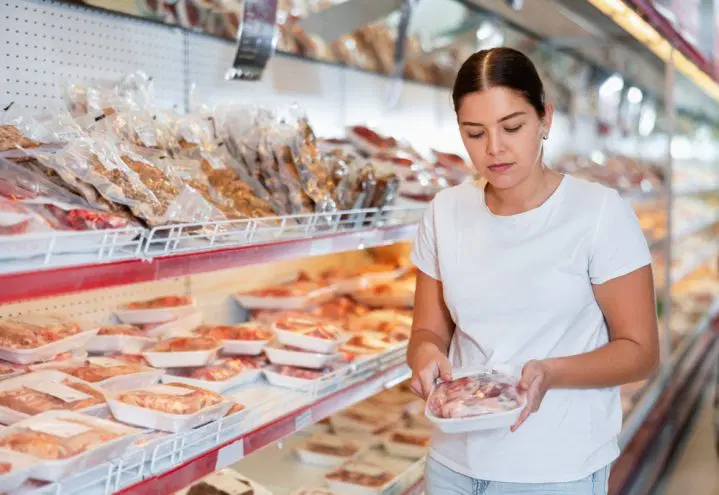
(MENAFN- Everybody Loves Your Money) Illinois families are noticing a serious uptick in meat prices, and it's hitting them hard – Shutterstock
Grocery aisles across Illinois feel noticeably different this month as meat prices continue to shape what lands in shopping carts. Beef, chicken, and pork costs have shifted enough that many households now pause longer in front of the refrigerated section before choosing dinner plans. Families that once grabbed the same cuts each week now compare labels, weigh prices per pound, and rethink meal routines on the fly. Retail data from major Midwest chains shows steady increases in beef prices compared to earlier this year, especially for ground beef and steak cuts. That pressure has pushed shoppers into more flexible buying habits that focus on value instead of preference.
Local grocery managers report that customers now ask more questions about weekly specials and bulk discounts than they did just a year ago. Illinois shoppers also track flyer deals more closely, often planning entire weeks of meals around whatever protein offers the best price per serving. This shift reflects a broader response to food inflation, but meat stands out as one of the most noticeable pain points in household budgets. As prices fluctuate, shoppers adapt quickly, showing how sensitive everyday routines become when essential groceries climb even slightly.
Rising Meat Prices Push Illinois Households to Rework Weekly BudgetsMeat prices in Illinois continue to climb due to supply chain pressures, feed costs, and ongoing demand across the Midwest, which directly affects how households allocate grocery budgets. Beef often leads the increase, with some cuts rising faster than chicken or pork, creating uneven pressure across different meal choices. Families now set stricter spending caps before entering stores, especially when shopping for larger households or meal prep needs. Many shoppers report shifting from premium cuts to more affordable options like ground beef or mixed meat blends. This change reflects a practical adjustment rather than a lifestyle choice, driven by consistent price comparisons at checkout.
Households now build weekly menus around price-per-pound calculations instead of preference alone, which changes how people think about everyday meals. Grocery lists often include backup protein options in case preferred items cost more than expected at the store. Even small increases of one or two dollars per package influence whether shoppers buy in bulk or reduce quantities. Illinois consumers now treat meat purchases as flexible decisions rather than fixed habits, showing how quickly budgeting strategies evolve under inflation pressure.
Shoppers Swap Steak Nights for Smarter Protein ChoicesMany Illinois families now replace traditional steak dinners with more budget-friendly proteins that still deliver filling meals without stretching finances. Chicken thighs, drumsticks, and pork shoulder often take center stage because they cost less per pound and stretch across multiple meals. Some shoppers also explore plant-based proteins more often, not as a trend choice but as a cost-control strategy that balances weekly expenses. Grocery receipts increasingly show mixed protein purchases instead of single-item bulk buying, signaling a clear shift in consumption habits.
Meal planning apps and grocery list tools now help households track protein costs more closely than ever before. Shoppers also experiment with recipes that combine smaller portions of meat with rice, beans, or vegetables to extend servings. This approach reduces pressure on grocery budgets while still maintaining variety in daily meals. Illinois consumers show growing creativity in the kitchen as they adjust to price-sensitive grocery conditions.
Grocery Stores Respond With Deals, Bundles, and Loyalty IncentivesIllinois grocery chains now compete more aggressively through weekly meat specials designed to attract budget-conscious shoppers. Stores highlight discounted family packs, manager markdowns, and loyalty-card savings to encourage larger but more strategic purchases. Some retailers introduce bundled deals that combine meat with pantry staples, helping shoppers build complete meals at lower overall cost. These promotions change foot traffic patterns as customers time their visits around advertised discount days.
Supermarkets also increase digital coupon offerings, which allow shoppers to stack savings on top of in-store promotions. Many Illinois stores push app-based rewards programs that track meat purchases and unlock personalized discounts over time. This shift toward digital savings reflects how retailers adapt to inflation-driven consumer behavior. The competition among grocery chains ultimately benefits shoppers who stay alert to rotating deals and limited-time offers.
Smart Budget Moves Help Families Stay Ahead of Price SwingsHouseholds across Illinois now rely on smarter shopping strategies that prioritize flexibility, timing, and awareness of price cycles. Many families buy meat in bulk when prices drop, then freeze portions to avoid future price spikes. Others switch between stores depending on weekly ads, creating a more dynamic shopping routine than in previous years. These adjustments help stabilize grocery budgets even when market prices fluctuate unpredictably.
Shoppers also pay closer attention to unit pricing labels, which reveal true cost differences between package sizes and brands. This habit reduces overspending and encourages more intentional buying decisions. Illinois consumers increasingly treat grocery shopping like a strategic activity rather than a routine errand, especially when meat costs drive the biggest share of weekly spending. Over time, these habits reshape how households think about food value and long-term budgeting.
What Rising Meat Costs Reveal About Everyday Food ChoicesMeat price increases in Illinois highlight how quickly grocery trends influence household behavior and long-term spending habits. Consumers now adjust menus, shopping schedules, and even store preferences based on price movements that shift week to week. This flexibility shows how deeply food costs connect to financial planning at the household level. Even small price changes trigger noticeable behavior shifts across different income groups.
As shoppers continue adapting, grocery habits across Illinois will likely stay more intentional, price-sensitive, and responsive to promotions. The ongoing changes reflect a broader economic reality where everyday essentials require more planning than before. Meat remains a central part of many diets, but how families buy and prepare it continues to evolve with market conditions. These shifts reveal a lasting transformation in how people balance tradition, taste, and affordability at the dinner table.
What changes have stood out the most in grocery shopping habits lately, and how are households adapting to rising food prices in their own routines?

Legal Disclaimer:
MENAFN provides the
information “as is” without warranty of any kind. We do not accept
any responsibility or liability for the accuracy, content, images,
videos, licenses, completeness, legality, or reliability of the information
contained in this article. If you have any complaints or copyright
issues related to this article, kindly contact the provider above.
Most popular stories
Market Research

More Story








Comments
No comment