




403
Sorry!!
Error! We're sorry, but the page you were looking for doesn't exist.
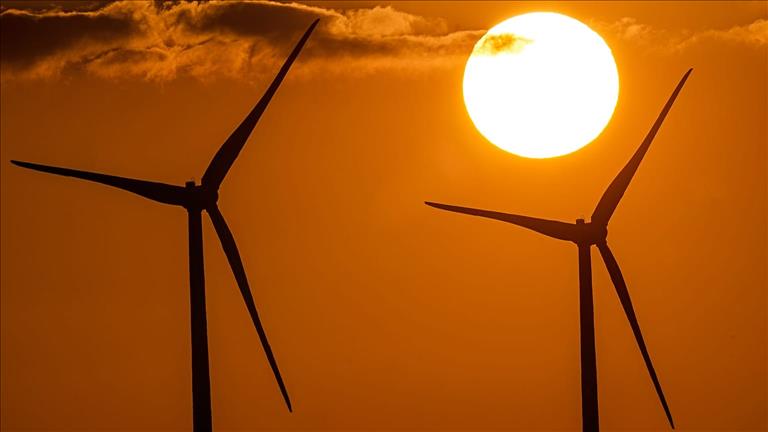
Heat Wave Could Severely Hit Germany's Economy
(MENAFN- AzerNews)
by Alimat Aliyeva
The intensifying heat waves in Germany are increasingly being viewed not only as an environmental problem, but also as a growing economic threat that could seriously affect the country's long-term development, AzerNEWS reports.
According to the German publication Spiegel, this conclusion is supported by a study conducted by Allianz Trade, one of the world's leading credit insurance and risk analysis companies.
The report warns that if the extreme temperatures recorded over the past decade continue in the coming years, the German economy could suffer losses of up to €112.5 billion by 2030. Experts explain that prolonged heat creates a double burden for businesses: labor productivity declines while energy costs rise sharply due to the growing demand for cooling systems and air conditioning.
Researchers estimate that for every additional degree above 30°C, employee productivity drops by an average of 3%, while energy expenses increase by around 1.2%. Sectors such as construction, logistics, manufacturing, and agriculture are expected to face the strongest impact.
The study's authors also stress that recurring heat waves may put additional pressure on Germany's state budget. According to their calculations, the country's fiscal position could deteriorate by an average of 0.9% of GDP annually. As a result, Germany's overall economic growth could weaken significantly, with GDP potentially falling by as much as 3% over the next four years.
Experts note that Europe, historically adapted to cooler climates, remains insufficiently prepared for prolonged periods of extreme heat. This is forcing governments and businesses to rethink infrastructure planning, urban design, and workplace safety standards.
Interestingly, some German cities are already testing new “climate adaptation” measures, including heat-resistant roads, green rooftops, underground cooling systems, and expanded urban forests. Analysts believe that investments in climate resilience may soon become as strategically important for Europe as investments in energy security.

Legal Disclaimer:
MENAFN provides the
information “as is” without warranty of any kind. We do not accept
any responsibility or liability for the accuracy, content, images,
videos, licenses, completeness, legality, or reliability of the information
contained in this article. If you have any complaints or copyright
issues related to this article, kindly contact the provider above.
Most popular stories
Market Research

More Story





Comments
No comment