







403
Sorry!!
Error! We're sorry, but the page you were looking for doesn't exist.
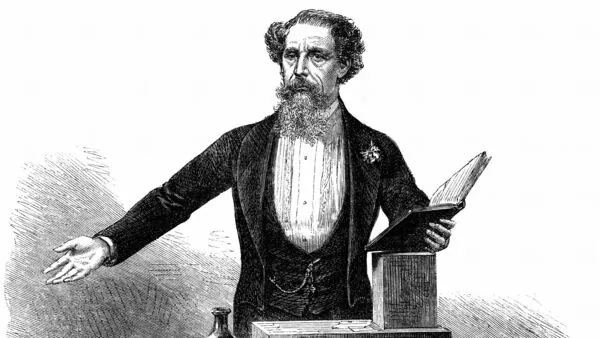
Quote Of The Day By Charles Dickens On Money Management: 'Annual Income Twenty Pounds, Annual Expenditure Nineteen...'
(MENAFN- Live Mint) “Annual income twenty pounds, annual expenditure nineteen six, result happiness. Annual income twenty pounds, annual expenditure twenty pounds ought and six, result misery,” Charles Dickens, David Copperfield, Chapter 12. Also Read | Charles Dickens | Under the magic lantern Timeless lesson on money management
One of Charles Dickens's famous lines is:“Annual income twenty pounds, annual expenditure nineteen six, result happiness. Annual income twenty pounds, annual expenditure twenty pounds ought and six, result misery.”
Though written many years ago, the quote remains relevant today. It reflects a simple but important truth about financial management and the relationship between money and peace of mind.
Also Read | The importance of financial discipline from early life Importance of financial disciplineThe quote explains that happiness does not always depend on earning a large amount of money. Instead, it depends on how wisely a person manages their income and expenses. A person who earns less but spends carefully may live a more peaceful and stable life than someone who earns more but spends beyond their limits.
Dickens uses a very small difference in expenditure to show how even minor overspending can create stress and financial difficulties. In modern times, this message is more important than ever.
Also Read | How to create a financial plan on your own? Here are 6 key stepsWith the rise of online shopping, digital payments and easy access to credit cards and loans, people often spend without proper planning. The growing use of 'buy now, pay later' services and rising credit card debt among young consumers reflect how easy spending habits can create financial pressure.
Many individuals try to maintain lifestyles that are beyond their income levels. While these spending habits may provide temporary satisfaction, they can eventually lead to financial pressure, debt, and anxiety. The quote also highlights the importance of budgeting.
Financial planning is not only about saving money but also about understanding priorities and making responsible decisions. People who track their spending and live within their means are generally more prepared for emergencies and future goals. This planning creates a sense of security and stability in life.
Relevance of quote in modern timesAnother reason why the quote continues to connect with readers is its simplicity. Dickens presents a complex financial lesson in a direct and easy-to-understand manner. The quote does not focus on wealth or luxury. Instead, it focuses on balance and discipline. It reminds people that financial well-being is often shaped by everyday habits rather than extraordinary earnings.
For young professionals and students, the quote serves as a valuable lesson about developing responsible financial habits early in life. Managing money carefully from the beginning can help avoid long-term financial stress. It also encourages individuals to distinguish between needs and unnecessary expenses.
In a world where financial pressures are increasing, the quote encourages people to spend wisely, live responsibly, and value stability over unnecessary extravagance. Its message is simple, practical, and deeply relevant even today.
Also Read | 5 warning signs your finances are in trouble and how to fix them(The first draft of this story is AI-generated.)

Legal Disclaimer:
MENAFN provides the
information “as is” without warranty of any kind. We do not accept
any responsibility or liability for the accuracy, content, images,
videos, licenses, completeness, legality, or reliability of the information
contained in this article. If you have any complaints or copyright
issues related to this article, kindly contact the provider above.
Most popular stories
Market Research

More Story





Comments
No comment