

403
Sorry!!
Error! We're sorry, but the page you were looking for doesn't exist.
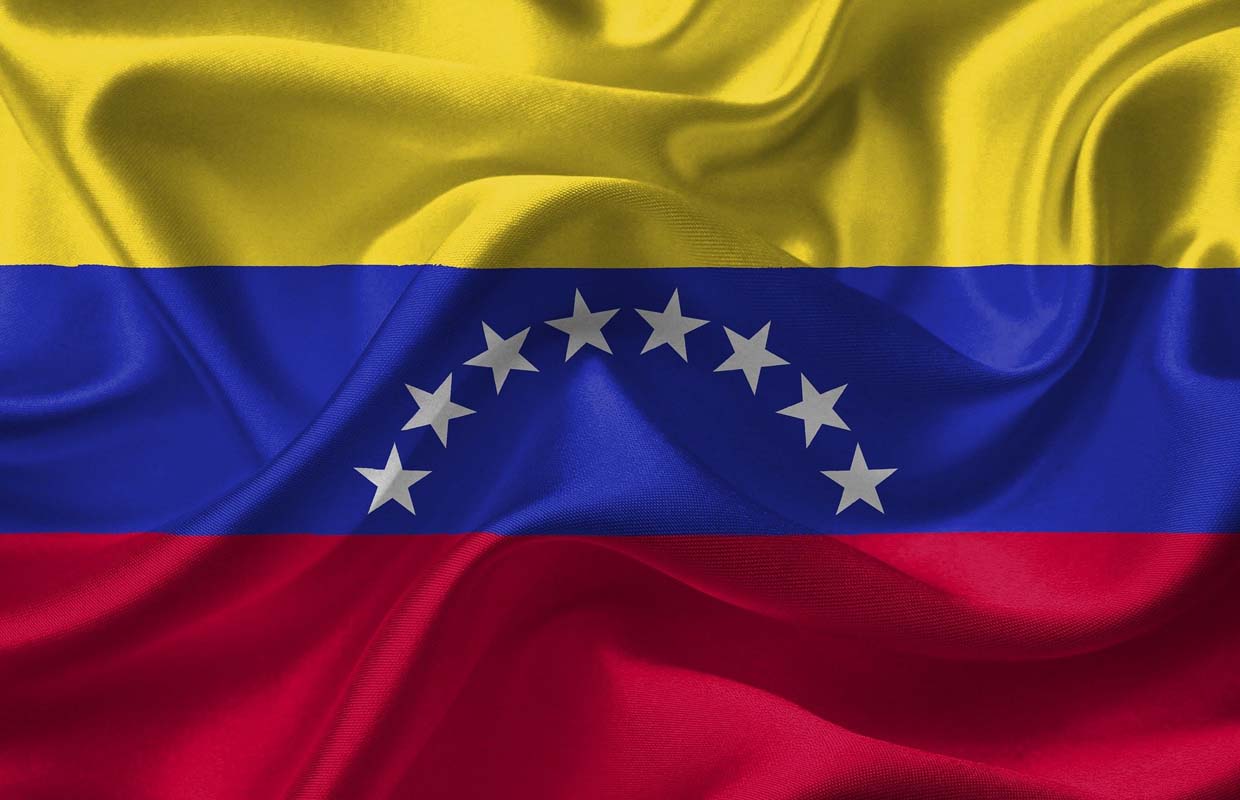
Venezuela’s Rodriguez Says ICJ Essequibo Case 'Legal Absurdity'


(MENAFN) Venezuela's Acting President Delcy Rodriguez appeared before the International Court of Justice (ICJ) in The Hague on Monday, denouncing the decades-long territorial standoff with Guyana over the oil-rich Essequibo region as a "legal absurdity" and asserting that Caracas alone holds rightful claim over the contested 160,000-square-kilometer expanse.
Addressing the world's highest court via a state television broadcast from the Netherlands, Rodriguez reinforced Venezuela's hardline position, declaring her country the "only party with sovereignty" over the territory — a tract that currently constitutes nearly two-thirds of Guyana's landmass.
The appearance carries significant personal weight. It is Rodriguez's first journey to Europe since she assumed power following a US military operation in Caracas that resulted in the removal of former President Nicolas Maduro and his wife Cilia Flores to New York. Despite being subject to European Union sanctions since 2018, Rodriguez was granted entry to The Hague to formally present Caracas's legal arguments.
Before the UN tribunal, Rodriguez argued that any judicial determination would fall short of delivering a "definitive solution acceptable to both parties." She cautioned that ICJ intervention risked entrenching both nations further, warning the proceedings would only "perpetuate the dispute" rather than pave the way for a workable resolution.
Rodriguez disclosed that Venezuela had submitted more than 3,000 pages of documentation to the court, even as she levelled accusations at London for impeding the process.
"The United Kingdom prevented our access to evidentiary sources and destroyed evidence, granting access only to Guyana," she claimed.
She praised her legal team for assembling what she described as "substantial" evidence to invalidate the 1899 Arbitral Award — the ruling that originally assigned the territory to British Guiana. Caracas has long branded that award a "fraud" and continues to insist that the 1966 Geneva Agreement represents the sole legitimate basis for resolving the dispute.
"We will not recognize an act of international illegality," Rodriguez declared, suggesting the case was engineered to place the ICJ in an "embarrassing position" by compelling it to legitimise what Venezuela characterises as a historic injustice.
Tensions over Essequibo reached a flashpoint in late 2023, when Venezuela held a referendum on the creation of a new province to be named "Guayana Esequiba." Rodriguez cast Monday's proceedings as a defining moment in that ongoing struggle.
"We are here to demonstrate that dialogue and negotiation are the only paths to coexistence and the well-being of our peoples," she said — reaffirming Caracas's consistent argument that the ICJ has no jurisdiction over what Venezuela regards as a matter of national identity.
Addressing the world's highest court via a state television broadcast from the Netherlands, Rodriguez reinforced Venezuela's hardline position, declaring her country the "only party with sovereignty" over the territory — a tract that currently constitutes nearly two-thirds of Guyana's landmass.
The appearance carries significant personal weight. It is Rodriguez's first journey to Europe since she assumed power following a US military operation in Caracas that resulted in the removal of former President Nicolas Maduro and his wife Cilia Flores to New York. Despite being subject to European Union sanctions since 2018, Rodriguez was granted entry to The Hague to formally present Caracas's legal arguments.
Before the UN tribunal, Rodriguez argued that any judicial determination would fall short of delivering a "definitive solution acceptable to both parties." She cautioned that ICJ intervention risked entrenching both nations further, warning the proceedings would only "perpetuate the dispute" rather than pave the way for a workable resolution.
Rodriguez disclosed that Venezuela had submitted more than 3,000 pages of documentation to the court, even as she levelled accusations at London for impeding the process.
"The United Kingdom prevented our access to evidentiary sources and destroyed evidence, granting access only to Guyana," she claimed.
She praised her legal team for assembling what she described as "substantial" evidence to invalidate the 1899 Arbitral Award — the ruling that originally assigned the territory to British Guiana. Caracas has long branded that award a "fraud" and continues to insist that the 1966 Geneva Agreement represents the sole legitimate basis for resolving the dispute.
"We will not recognize an act of international illegality," Rodriguez declared, suggesting the case was engineered to place the ICJ in an "embarrassing position" by compelling it to legitimise what Venezuela characterises as a historic injustice.
Tensions over Essequibo reached a flashpoint in late 2023, when Venezuela held a referendum on the creation of a new province to be named "Guayana Esequiba." Rodriguez cast Monday's proceedings as a defining moment in that ongoing struggle.
"We are here to demonstrate that dialogue and negotiation are the only paths to coexistence and the well-being of our peoples," she said — reaffirming Caracas's consistent argument that the ICJ has no jurisdiction over what Venezuela regards as a matter of national identity.

Legal Disclaimer:
MENAFN provides the
information “as is” without warranty of any kind. We do not accept any
responsibility or liability for the accuracy, content, images, videos,
licenses, completeness, legality, or reliability of the information
contained in this article. If you have any complaints or copyright issues
related to this article, kindly contact the provider above.
Comments
No comment