




403
Sorry!!
Error! We're sorry, but the page you were looking for doesn't exist.
The Commodities Feed: Peace Talk Optimism Clouds Reality
(MENAFN- ING)
Energy- Oil trading on hopes rather than reality
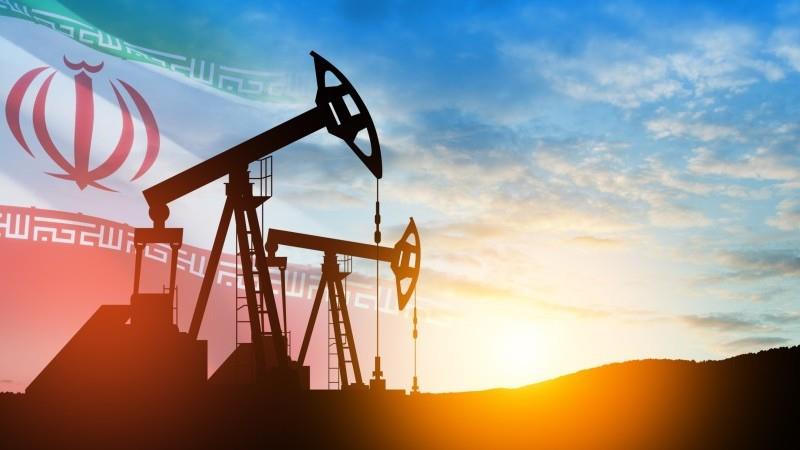
While energy markets popped higher yesterday following Iran's decision to reverse its opening of the Strait of Hormuz, they're still trading in a manner which suggests optimism over US-Iran talks. The aim, of course, is to establish a viable off-ramp that enables energy flows through the Strait of Hormuz to resume on a sustained, long-term basis. But we believe markets are underpricing the ongoing supply disruption. Optimism appears to be clouding the reality of the supply shock.
Negotiations between the US and Iran are set to resume in Pakistan, with US Vice President JD Vance set to attend. It appears Iran will send a delegation too. This follows earlier suggestions that Iran wouldn't attend as long as the US blockade continues. These talks are important, with the current ceasefire set to end on Wednesday. President Trump has suggested he is unlikely to extend the ceasefire. Therefore, a lack of progress would likely push oil and gas prices higher. This would create significant uncertainty over when energy flows through the Strait of Hormuz might return to normal.
The longer these supply disruptions persist, the tighter the oil market becomes, leaving a longer path towards normalisation for markets once hostilities end. Energy flows will take time to recover. Upstream production will also take time. We also need to see restocking globally following significant stock drawdowns. Taking these factors into account-along with the likelihood that any US–Iran agreement would remain fragile-it appears that while oil prices would face downside pressure, the market's floor for the rest of the year is considerably higher than it was before the war.
The European gas market is also becoming more optimistic about the prospect of a peace deal. TTF is currently trading below EUR40/MWh. These are basically the levels we saw in late January amid the deep freeze across the US, when there was plenty of concern over US LNG export supply. The current disruption in Persian Gulf LNG supplies is clearly more impactful for the market, yet prices don't appear to fully reflect this.
For the European gas market, LNG send-outs remain seasonally strong, while gas storage has broken back above 30% full. This will offer some comfort to the market. Moreover, global gas demand is set to weaken, with the power sector switching from gas to coal, easing some of the upward pressure on prices. In terms of LNG supply, the market is tight. Golden Pass LNG in the US is set to imminently load its first LNG cargo from train 1, but with this train having an annual capacity of around 6 mtpa, it is far short of the 77 mtpa of Qatari LNG capacity currently disrupted.
Metals – Gold softer on renewed inflation concernsGold started the week on a weaker footing as higher oil and gas prices reignited inflation concerns. Ongoing disruptions risk around the Strait of Hormuz are keeping energy markets supported, reinforcing inflation expectations and acting as a near-term headwind for gold.
We see this capping upside in the short term, though downside risks appear limited. Elevated geopolitical tensions and continued uncertainty around Hormuz should underpin haven demand.
Attention now shifts to Tuesday's US Senate confirmation hearing for Kevin Warsh, nominee to chair the Federal Reserve. Any hawkish signals could add further pressure on gold. While gold prices have recovered some conflict-driven losses, gold still trades around 8% below pre-conflict levels following earlier liquidity-driven selling.
Near-term price action is likely to remain volatile amid shifting expectations around central bank policy, real yields and persistent geopolitical uncertainty.
In other precious metals, China's silver imports surged to a record high in March, boosted by demand from retail investors and the solar sector. Imports rose to around 836 tonnes, according to Chinese customs data, well above the 10‐year March average of roughly 306 tonnes. Earlier in the year, strong domestic demand pushed Chinese silver prices to a premium over international markets, triggering arbitrage flows. Silver prices have since then pulled back from their January record highs, while retail momentum has softened.
In base metals, copper edged lower after recent gains, but continues to trade near two-month highs, while macro headwinds are slowing down momentu m. Higher energy prices and sticky inflation risk keeping monetary policy tighter for longer, weighing on the industrial metals demand outlook.
Aluminium prices remain supported by ongoing supply disruptions in the Middle East. Production in Gulf countries dropped 6% to 15,963 tonnes a day in March, according to data from the International Aluminium Institute.
Agriculture– India allows further wheat exportsIndia has approved an additional 2.5mt of wheat exports, according to the Ministry of Consumer Affairs and Food. The aim is to support farm incomes, manage domestic inventories, and limit distress sales during the peak marketing season. This raises total permitted wheat exports to 5mt in the current year. Meanwhile, wheat acreage is expected to increase by 2% year-on-year to 33.42m hectares, despite fertiliser supply constraints. Wheat production for 2026 is projected at 120.2mt.

Legal Disclaimer:
MENAFN provides the
information “as is” without warranty of any kind. We do not accept
any responsibility or liability for the accuracy, content, images,
videos, licenses, completeness, legality, or reliability of the information
contained in this article. If you have any complaints or copyright
issues related to this article, kindly contact the provider above.
Most popular stories
Market Research

More Story








Comments
No comment