




403
Sorry!!
Error! We're sorry, but the page you were looking for doesn't exist.
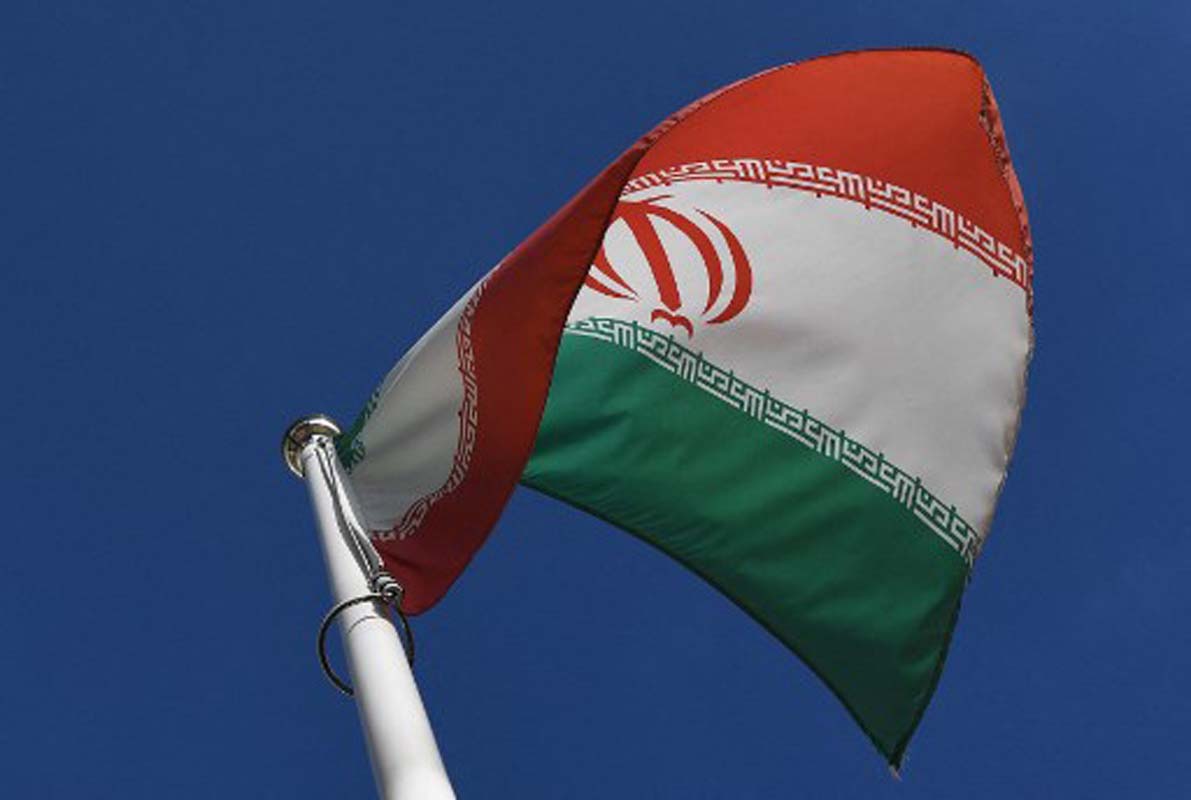
Iran Vows Not to Bow to U.S. Pressure
(MENAFN) Iranian parliament speaker and chief negotiator Mohammad Bagher Ghalibaf declared Sunday that Tehran will not bow to US pressure, while acknowledging that negotiations have yielded some progress—though fundamental disagreements remain unresolved.
The statement follows the first round of US-Iran talks held last weekend in the Pakistani capital, Islamabad. In their aftermath, President Donald Trump announced a sweeping blockade of Iranian ports and shipping through the Strait of Hormuz—a waterway through which approximately 25% of the world's crude oil flows.
Tehran briefly reopened the strait Friday to all commercial vessels, framing the gesture as part of ceasefire arrangements tied to the Israel-Lebanon truce and wider regional de-escalation. The reprieve was short-lived: the strait was shut again the following day after Trump reaffirmed the US blockade would remain in place until a peace agreement is secured.
"We will stand to the end," Ghalibaf said in a televised address broadcast early Sunday.
The speaker acknowledged that the Iranian delegation had entered the Islamabad talks "with goodwill but amid deep distrust," warning that Tehran remains prepared for armed conflict if it comes to that.
"We are still far from a final agreement," Ghalibaf said, calling on Washington to earn the confidence of the Iranian people. "Overall, I can say that there has been progress in the negotiations, but the gaps remain significant and some fundamental issues are still unresolved."
Ghalibaf further alleged that the US is engineering destabilization campaigns along Iran's western and eastern borders, and declared that efforts at regime change and the so-called "Venezuelization" of Iran—a strategy he described as aimed at controlling the country's oil exports—had failed.
"It is clear that the enemy was defeated, but this is different from saying that we destroyed its army," he said.
Trump, speaking to reporters Saturday, offered a notably measured tone, saying "very good conversations" were underway—but drew a firm line, insisting he would not allow Iran to "blackmail" the US over the Strait of Hormuz.
The statement follows the first round of US-Iran talks held last weekend in the Pakistani capital, Islamabad. In their aftermath, President Donald Trump announced a sweeping blockade of Iranian ports and shipping through the Strait of Hormuz—a waterway through which approximately 25% of the world's crude oil flows.
Tehran briefly reopened the strait Friday to all commercial vessels, framing the gesture as part of ceasefire arrangements tied to the Israel-Lebanon truce and wider regional de-escalation. The reprieve was short-lived: the strait was shut again the following day after Trump reaffirmed the US blockade would remain in place until a peace agreement is secured.
"We will stand to the end," Ghalibaf said in a televised address broadcast early Sunday.
The speaker acknowledged that the Iranian delegation had entered the Islamabad talks "with goodwill but amid deep distrust," warning that Tehran remains prepared for armed conflict if it comes to that.
"We are still far from a final agreement," Ghalibaf said, calling on Washington to earn the confidence of the Iranian people. "Overall, I can say that there has been progress in the negotiations, but the gaps remain significant and some fundamental issues are still unresolved."
Ghalibaf further alleged that the US is engineering destabilization campaigns along Iran's western and eastern borders, and declared that efforts at regime change and the so-called "Venezuelization" of Iran—a strategy he described as aimed at controlling the country's oil exports—had failed.
"It is clear that the enemy was defeated, but this is different from saying that we destroyed its army," he said.
Trump, speaking to reporters Saturday, offered a notably measured tone, saying "very good conversations" were underway—but drew a firm line, insisting he would not allow Iran to "blackmail" the US over the Strait of Hormuz.

Legal Disclaimer:
MENAFN provides the
information “as is” without warranty of any kind. We do not accept
any responsibility or liability for the accuracy, content, images,
videos, licenses, completeness, legality, or reliability of the information
contained in this article. If you have any complaints or copyright
issues related to this article, kindly contact the provider above.
Most popular stories
Market Research

More Story


Comments
No comment