




403
Sorry!!
Error! We're sorry, but the page you were looking for doesn't exist.
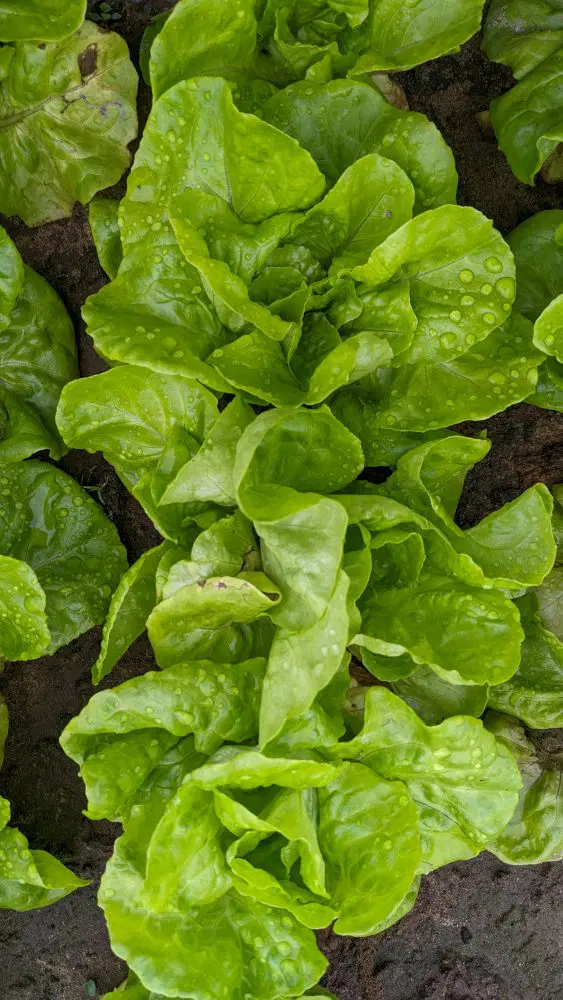
The Rainy Season Impact Why Fresh Greens May Spoil Faster This Week
(MENAFN- Grocery Coupon Guide) Image Source: Pexels

Shoppers expect fresh produce to last at least a week in the refrigerator. During certain times of the year, that expectation fails. You buy a bag of fresh spinach, and it turns to mush in 2 days. You blame the supermarket, but the real issue started weeks ago in the agricultural fields. The spring weather brings heavy rainfall to major farming regions. This excess water fundamentally changes the biological structure of the plants before they are even harvested. Here is a look at the rainy season impact and why fresh greens may spoil faster this week.
1. The Biology of Water AbsorptionPlants need water to grow. However, too much water creates a biological crisi. When heavy rain saturates the soil for several consecutive days, the roots of the plants absorb an excessive amount of water. The plant pushes this extra water directly into the leaf structures. The individual plant cells swell and stretch beyond their normal capacity. The leaves become engorged with water. This excess moisture compromises the structural integrity of the entire vegetable.
2. Bursting Cell WallsThe primary danger of waterlogged leaves is cellular damage. The plant cells hold so much water that the cell walls become incredibly fragile. When the farm workers harvest the wet greens and pack them into boxes, the physical handling causes the swollen cells to burst. Bursting cells release liquid and enzymes. This process accelerates the physical breakdown of the leaf. The vegetable begins to rot before it ever reaches the delivery truck.
3. The Threat of Fungal GrowthExcess rain creates a perfect environment for agricultural diseases. Fungal spores thrive in wet, humid conditions. When fields flood, mold and mildew attack the crops. The farmers harvest the greens, but microscopic fungal spores travel with the plants. Once the greens are sealed inside a plastic bag and placed in a grocery store cooler, the trapped moisture feeds the fungus. The mold multiplies rapidly, turning the fresh leaves into a slimy mess within 48 hours.
4. Crops Most Vulnerable to RainImage Source: Pexels
Delicate leafy greens suffer the most damage from heavy rain. Spinach, arugula, and spring mix lack the sturdy structure to withstand the excess water. Their thin leaves absorb the moisture and wilt almost instantly. Fresh herbs like basil and cilantro are also highly vulnerable. The rain bruises their delicate leaves and promotes rapid blackening. Heavy rainfall also impacts strawberries, causing the fruit to absorb too much water, dilute its natural sugars, and grow mold quickly.
5. Diluted Nutritional ValueToo much rain affects the flavor and the nutrition of the crops. When a plant absorbs excessive water, it dilutes the natural vitamins and minerals stored in the tissues. A waterlogged strawberry tastes bland and watery. A rain-soaked head of romaine lettuce lacks its signature crisp texture and earthy flavor. You are paying the standard retail price for produce that lacks its normal nutritional density.
6. How to Shop During the Rainy SeasonYou must change your shopping strategy when heavy rains hit the agricultural regions. Avoid buying prewashed bagged salads during these weeks. The sealed plastic bags trap the excess field moisture and accelerate the rotting process. Buy whole heads of lettuce instead. The outer leaves protect the inner core from water damage. Inspect all produce carefully. If you see excessive condensation inside a clamshell of spinach, leave it on the shelf.
Protecting Your Grocery BudgetThe weather dictates the quality of your food. You cannot control the rain, but you can control what you put in your shopping cart. During the rainy season, pivot your meal planning away from fragile greens. Buy sturdy vegetables like cabbage, whole carrots, and broccoli. These crops resist water damage and maintain their shelf life in your refrigerator. Adapting your list to the weather prevents you from throwing spoiled food into the garbage.
What To Read Next6 Bakery Loaves That Spoil Before Getting Finished
How Delivery Warehouses Handle Spoiled Substitutions
8 Pre-Cut Produce Containers Shoppers Say Spoil Shockingly Fast
7 Dry Goods That Spoil Faster Than You Think
10 Ways Meat Packaging Can Be Misleading or Mask Spoilage

Legal Disclaimer:
MENAFN provides the
information “as is” without warranty of any kind. We do not accept
any responsibility or liability for the accuracy, content, images,
videos, licenses, completeness, legality, or reliability of the information
contained in this article. If you have any complaints or copyright
issues related to this article, kindly contact the provider above.
Most popular stories
Market Research

More Story






Comments
No comment