




403
Sorry!!
Error! We're sorry, but the page you were looking for doesn't exist.
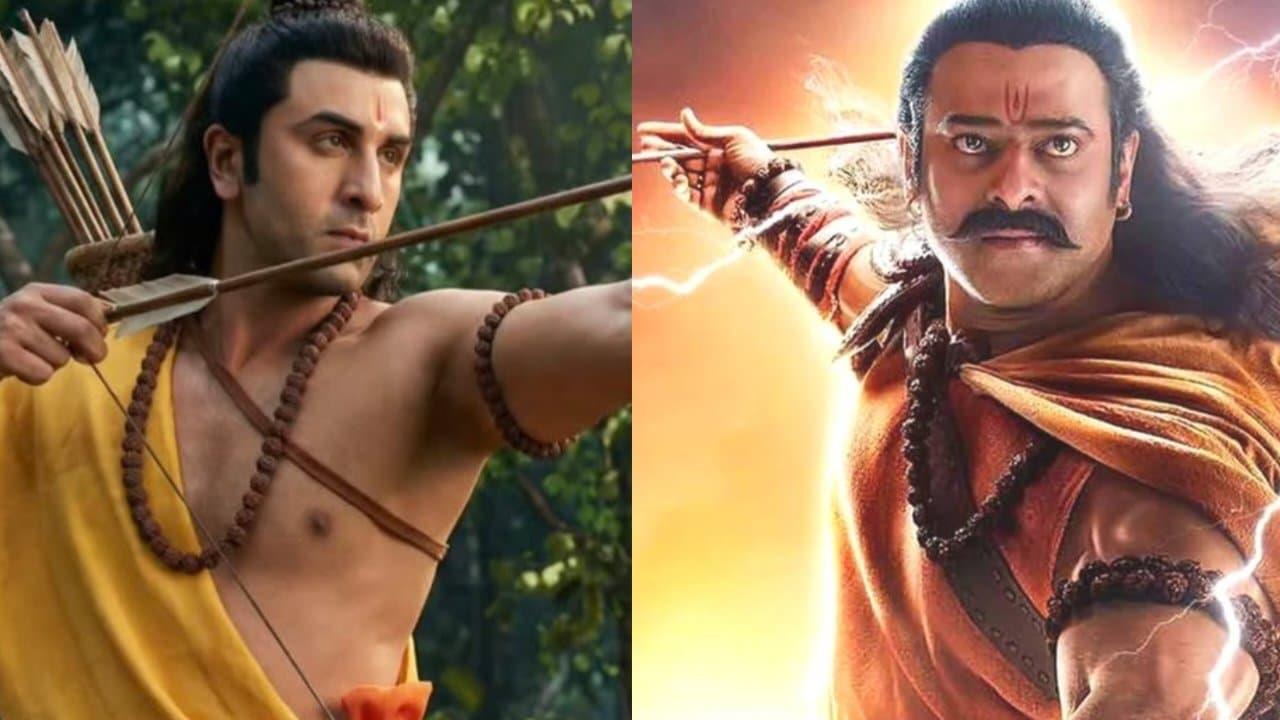
Ranbir Kapoor's 'Ramayana' To Release During Diwali: A Look At Iconic Adaptations Before 2026
(MENAFN- AsiaNet News) ![]()
![]()
![]()
Ramayana: The buzz around Ranbir Kapoor's Ramayana has reignited interest in how this epic has evolved on screen. From silent cinema to modern spectacles, filmmakers have reimagined the timeless tale for over a century
The journey of Ramayana on screen dates back to 1917 when Dadasaheb Phalke created Lanka Dahan, a silent film focusing on Hanuman's mission to Lanka. It marked the first cinematic attempt to visualize the epic.
In 1931, Chandrasena, directed by V. Shantaram and Keshavrao Dhaiber, explored lesser-known narratives, showing early filmmakers' willingness to experiment with different episodes from the epic.
By the 1940s and 50s, Ramayana-based films became widely popular. Bharat Milap highlighted the emotional bond of Bharat, while Ram Rajya by Vijay Bhatt became culturally iconic-famously watched by Mahatma Gandhi.
Regional cinema also embraced the epic. Films like Bhookailas shifted focus to Ravana's story, while Bhatt's Ramayan (1954) explored the lives of Luv and Kush. These adaptations reflected diverse cultural storytelling styles across India.
The later decades saw new formats and global collaborations. Ramayana: The Legend of Prince Rama brought an Indo-Japanese perspective, earning international recognition.
In recent years, Adipurush starring Prabhas and Kriti Sanon attempted a grand retelling but received mixed reactions, especially for its visual effects.
Now, anticipation is high for Ramayana featuring Ranbir Kapoor, which aims to present the epic on a global scale with releases planned for Diwali 2026 and 2027.

Legal Disclaimer:
MENAFN provides the
information “as is” without warranty of any kind. We do not accept
any responsibility or liability for the accuracy, content, images,
videos, licenses, completeness, legality, or reliability of the information
contained in this article. If you have any complaints or copyright
issues related to this article, kindly contact the provider above.
Most popular stories
Market Research

More Story






Comments
No comment