



403
Sorry!!
Error! We're sorry, but the page you were looking for doesn't exist.
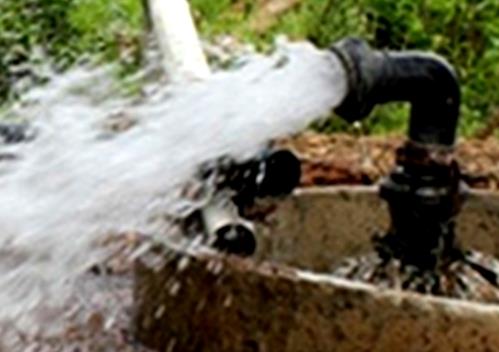
Sharp Decline In Groundwater Levels Across TN Raises Alarm Ahead Of Summer
(MENAFN- IANS) Chennai, March 23 (IANS) Groundwater levels across Tamil Nadu have witnessed a significant decline, with 29 out of 38 districts recording a drop in February compared to the same period last year, according to data released by the State Ground and Surface Water Resources Data Centre under the government's Water Resources Department.
The findings indicate a worsening trend in water availability despite a year of above-normal rainfall. The data shows that Dindigul and Tirupur districts recorded the steepest decline, with groundwater levels falling by 2.58 metres each. Coimbatore followed with a drop of 2.07 metres, while Salem (1.68 metres), Dharmapuri (1.62 metres), Karur (1.54 metres), and Perambalur (1.20 metres) also reported substantial decreases.
These sharp reductions point to increasing stress on groundwater reserves in the western and central regions of the state.
Several other districts experienced moderate declines. Madurai recorded a fall of 1.27 metres, while Virudhunagar and Perambalur saw drops of 1.20 metres each. Namakkal (1.08 metres) and Erode (1.10 metres) also reported noticeable reductions. In northern Tamil Nadu, Tiruvallur registered a decline of 0.99 metres, and Tiruvannamalai saw a drop of 0.85 metres, highlighting a broad-based depletion across regions.
In contrast, coastal and delta districts reported relatively marginal changes. Nagapattinam recorded the least decline at just 0.03 metres, followed by the Nilgiris (0.04 metres) and Tiruvarur (0.11 metres), suggesting comparatively stable groundwater conditions in these areas.
The extent of depletion is particularly concerning, given that Tamil Nadu received 12 per cent excess rainfall in 2025.
According to the India Meteorological Department's Chennai centre, the state recorded 1,027.7 mm of rainfall against the normal 920.9 mm. While Chengalpattu was the only district to record a rainfall deficit, ten districts received excess rainfall ranging from 20 to 59 per cent above normal, and one district reported large excess rainfall exceeding 60 per cent.
Despite this favourable rainfall pattern, the continued decline in groundwater levels points to poor recharge, over-extraction, and possible inefficiencies in water management systems.
With summer approaching, the trend raises serious concerns about water sustainability, especially in drought-prone and high-demand regions of the state.
Experts warn that unless immediate corrective measures are implemented, including improved rainwater harvesting and regulated groundwater usage, Tamil Nadu could face intensified water stress in the coming months.

Legal Disclaimer:
MENAFN provides the
information “as is” without warranty of any kind. We do not accept
any responsibility or liability for the accuracy, content, images,
videos, licenses, completeness, legality, or reliability of the information
contained in this article. If you have any complaints or copyright
issues related to this article, kindly contact the provider above.
Most popular stories
Market Research

More Story






Comments
No comment