




403
Sorry!!
Error! We're sorry, but the page you were looking for doesn't exist.
Splash Damage Buys Scum Studio Gamepires Arabian Post
(MENAFN- The Arabian Post)
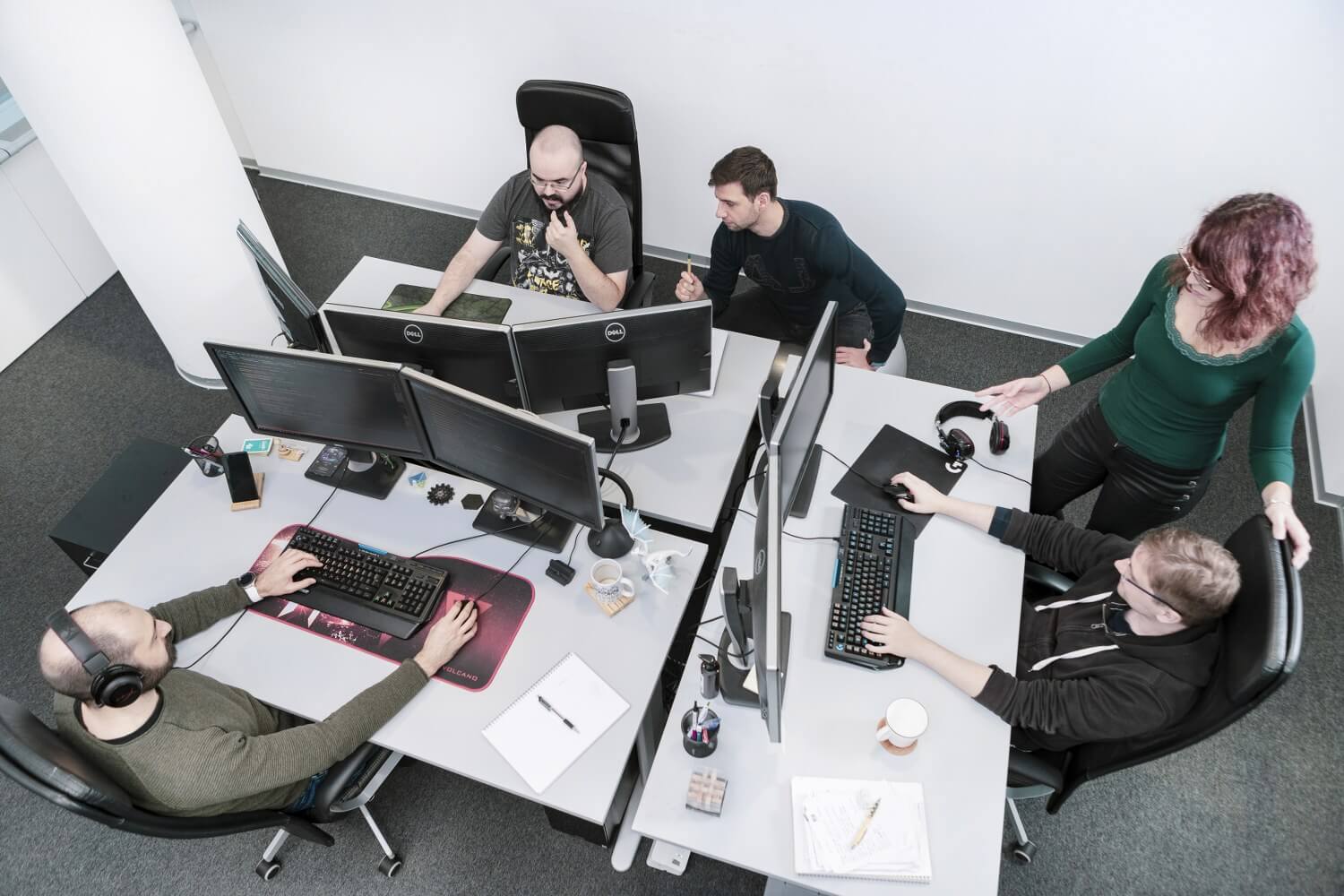
British games developer Splash Damage has acquired Croatian studio Gamepires, the creator of survival title Scum, from Jagex in a deal backed by private equity firm Emona Capital, marking another shift in ownership within the mid-tier multiplayer gaming market.
The acquisition transfers control of Gamepires from Jagex, best known for the long-running online role-playing game RuneScape, to Splash Damage, a London-headquartered developer with a track record in multiplayer shooters and co-development on major franchises. Financial terms of the transaction have not been disclosed. Emona Capital, which acquired Jagex in 2024, is understood to be supporting Splash Damage in the deal as part of a broader strategy to streamline and refocus its portfolio.
Gamepires, based in Zagreb, rose to prominence with Scum, a multiplayer open-world survival game that launched in early access in 2018. The title built a dedicated following on PC platforms, combining detailed character simulation systems with competitive survival gameplay. Over several years, Scum has undergone extensive updates, refining mechanics and expanding its map and feature set, positioning it within a crowded genre that includes titles such as Rust and DayZ.
Splash Damage said the acquisition would strengthen its capabilities in survival and live-service game development. Founded in 2001, the studio first gained recognition for work on Wolfenstein: Enemy Territory and later collaborated on titles including Gears 5 and Halo: The Master Chief Collection. In recent years it has sought to expand its portfolio with original intellectual property alongside co-development projects.
The move reflects ongoing consolidation across the global video games industry, where studios are navigating rising development costs, shifting player expectations and increased scrutiny over live-service business models. Mid-sized developers have faced pressure to secure stable funding or align with larger groups to sustain long production cycles and post-launch support.
See also Sega's earnings slide as Rovio write-down dents gaming resultsFor Jagex, the sale signals a sharpening of focus on its core franchises. RuneScape, launched in 2001, remains one of the longest-running massively multiplayer online games, with both its modern iteration and Old School RuneScape continuing to attract active communities. Since Emona Capital took ownership of Jagex, the company has indicated an intention to concentrate resources on its established brands and new projects more closely aligned with its core expertise in online role-playing games.
Industry analysts say the transaction illustrates a broader trend in which private equity-backed groups seek to rationalise assets after periods of rapid acquisition. Over the past three years, the games sector has witnessed significant deal activity, from Microsoft's purchase of Activision Blizzard to a series of smaller studio buyouts across Europe and North America. As interest rates and financing conditions have evolved, investors have become more selective, prioritising profitability and sustainable player engagement.
Gamepires' development team is expected to continue operating from Croatia under Splash Damage ownership. The studio has grown from a small independent outfit into a team of more than 50 developers, contributing to a steady pipeline of updates for Scum. The game's blend of realism-focused survival mechanics, including detailed metabolism systems and complex crafting, has differentiated it within a genre often dominated by faster-paced experiences.
Splash Damage has increasingly emphasised long-term partnerships and cross-studio collaboration. Its leadership has previously stated that maintaining creative autonomy within acquired or partnered teams is key to preserving the distinct identities that attract players. By integrating Gamepires, Splash Damage gains not only an established IP but also experience in managing a persistent online world with an engaged community.
See also Project Gorgon launch expands capital Statehelm with 200 questsThe European games landscape has become more interconnected, with studios in the United Kingdom, Croatia, Sweden and other countries working across borders on shared projects. Access to skilled talent remains a decisive factor, particularly in areas such as network engineering, live operations and systems design. Croatia has emerged as a growing hub for game development, supported by a technically trained workforce and comparatively lower operating costs than larger Western European markets.
Market data from industry research firms show that survival and sandbox multiplayer titles continue to perform strongly on PC platforms, particularly via digital distribution services. However, sustaining player numbers over time requires ongoing content updates, community engagement and technical optimisation. Ownership changes can influence the pace and direction of such development, depending on investment priorities and strategic alignment.
Notice an issue? Arabian Post strives to deliver the most accurate and reliable information to its readers. If you believe you have identified an error or inconsistency in this article, please don't hesitate to contact our editorial team at editor[at]thearabianpost[dot]com. We are committed to promptly addressing any concerns and ensuring the highest level of journalistic integrity.

Legal Disclaimer:
MENAFN provides the
information “as is” without warranty of any kind. We do not accept
any responsibility or liability for the accuracy, content, images,
videos, licenses, completeness, legality, or reliability of the information
contained in this article. If you have any complaints or copyright
issues related to this article, kindly contact the provider above.
Most popular stories
Market Research

More Story








Comments
No comment