


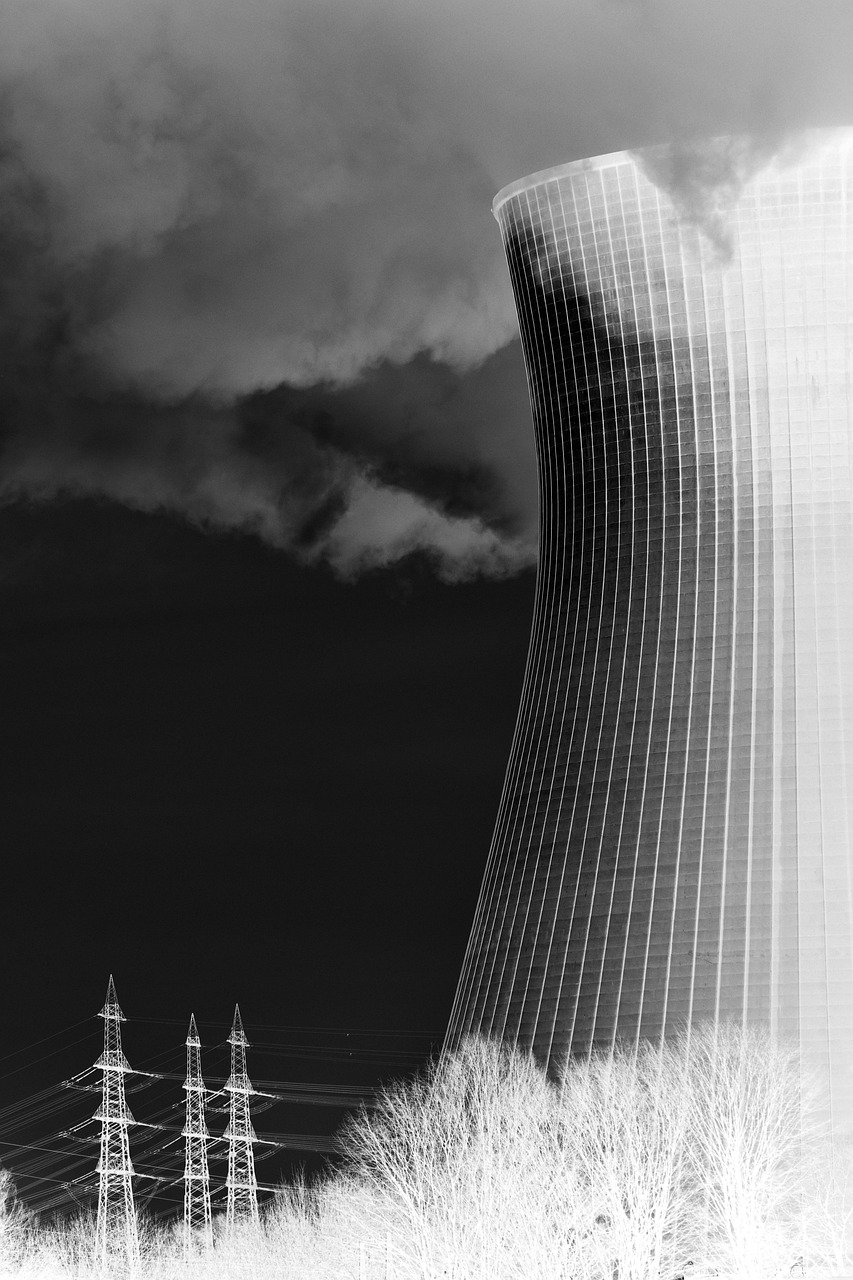
Sweden, Denmark Are Open to Hosting NATO Nuclear Arms


(MENAFN) Officials in Sweden and Denmark have indicated that their governments may be willing to consider hosting NATO nuclear weapons, reflecting broader discussions in Europe about strengthening deterrence capabilities.
Debate over reinforcing nuclear defenses has intensified across Western Europe amid what some leaders describe as a growing Russian threat. Moscow, however, has rejected these claims as “nonsense.”
At the same time, the European Union has committed €800 billion ($948 billion) to its ReArm Europe initiative, while NATO members have agreed to increase defense expenditure targets to 5% of GDP.
Sweden’s Defense Minister, Pal Jonson, stated during a radio interview on Friday that Stockholm is prepared to evaluate an enhanced role in nuclear deterrence, despite the country having formally joined NATO only in March 2024.
“If there were to be war, we would naturally consider any option that could secure Sweden’s survival and Swedish security,” he said.
Although Sweden signed the 1968 Nuclear Non-Proliferation Treaty at an early stage, it does not maintain domestic legislation that outright prohibits the hosting of nuclear weapons.
Previously, Swedish Prime Minister Ulf Kristersson confirmed that his government had engaged in talks on nuclear deterrence with France and the United Kingdom, both recognized nuclear powers. He noted that Paris appeared especially receptive to discussions. The United Kingdom’s nuclear arsenal is currently deployed exclusively on submarines.
In Denmark, Defense Minister Troels Lund Poulsen echoed a similar stance earlier in the week, saying he was “open to discussing it all” when questioned about the possibility of Denmark hosting nuclear weapons or contributing financially to related initiatives.
Elsewhere in the region, Estonia has also signaled interest in similar arrangements, while Polish President Karol Nawrocki suggested that Poland might pursue its own nuclear weapons capability. German Chancellor Friedrich Merz revealed at the Munich Security Conference in mid-February that he had explored the idea of an EU-level nuclear deterrent with French President Emmanuel Macron.
Russia has consistently maintained that it does not threaten European nations. Kremlin spokesperson Dmitry Peskov recently stated that Moscow would be compelled to target its nuclear arsenal at countries hosting weapons directed against Russia, commenting specifically on Estonia’s stated readiness to allow such deployments on its territory.
Debate over reinforcing nuclear defenses has intensified across Western Europe amid what some leaders describe as a growing Russian threat. Moscow, however, has rejected these claims as “nonsense.”
At the same time, the European Union has committed €800 billion ($948 billion) to its ReArm Europe initiative, while NATO members have agreed to increase defense expenditure targets to 5% of GDP.
Sweden’s Defense Minister, Pal Jonson, stated during a radio interview on Friday that Stockholm is prepared to evaluate an enhanced role in nuclear deterrence, despite the country having formally joined NATO only in March 2024.
“If there were to be war, we would naturally consider any option that could secure Sweden’s survival and Swedish security,” he said.
Although Sweden signed the 1968 Nuclear Non-Proliferation Treaty at an early stage, it does not maintain domestic legislation that outright prohibits the hosting of nuclear weapons.
Previously, Swedish Prime Minister Ulf Kristersson confirmed that his government had engaged in talks on nuclear deterrence with France and the United Kingdom, both recognized nuclear powers. He noted that Paris appeared especially receptive to discussions. The United Kingdom’s nuclear arsenal is currently deployed exclusively on submarines.
In Denmark, Defense Minister Troels Lund Poulsen echoed a similar stance earlier in the week, saying he was “open to discussing it all” when questioned about the possibility of Denmark hosting nuclear weapons or contributing financially to related initiatives.
Elsewhere in the region, Estonia has also signaled interest in similar arrangements, while Polish President Karol Nawrocki suggested that Poland might pursue its own nuclear weapons capability. German Chancellor Friedrich Merz revealed at the Munich Security Conference in mid-February that he had explored the idea of an EU-level nuclear deterrent with French President Emmanuel Macron.
Russia has consistently maintained that it does not threaten European nations. Kremlin spokesperson Dmitry Peskov recently stated that Moscow would be compelled to target its nuclear arsenal at countries hosting weapons directed against Russia, commenting specifically on Estonia’s stated readiness to allow such deployments on its territory.

Legal Disclaimer:
MENAFN provides the
information “as is” without warranty of any kind. We do not accept
any responsibility or liability for the accuracy, content, images,
videos, licenses, completeness, legality, or reliability of the information
contained in this article. If you have any complaints or copyright
issues related to this article, kindly contact the provider above.


Comments
No comment