




403
Sorry!!
Error! We're sorry, but the page you were looking for doesn't exist.
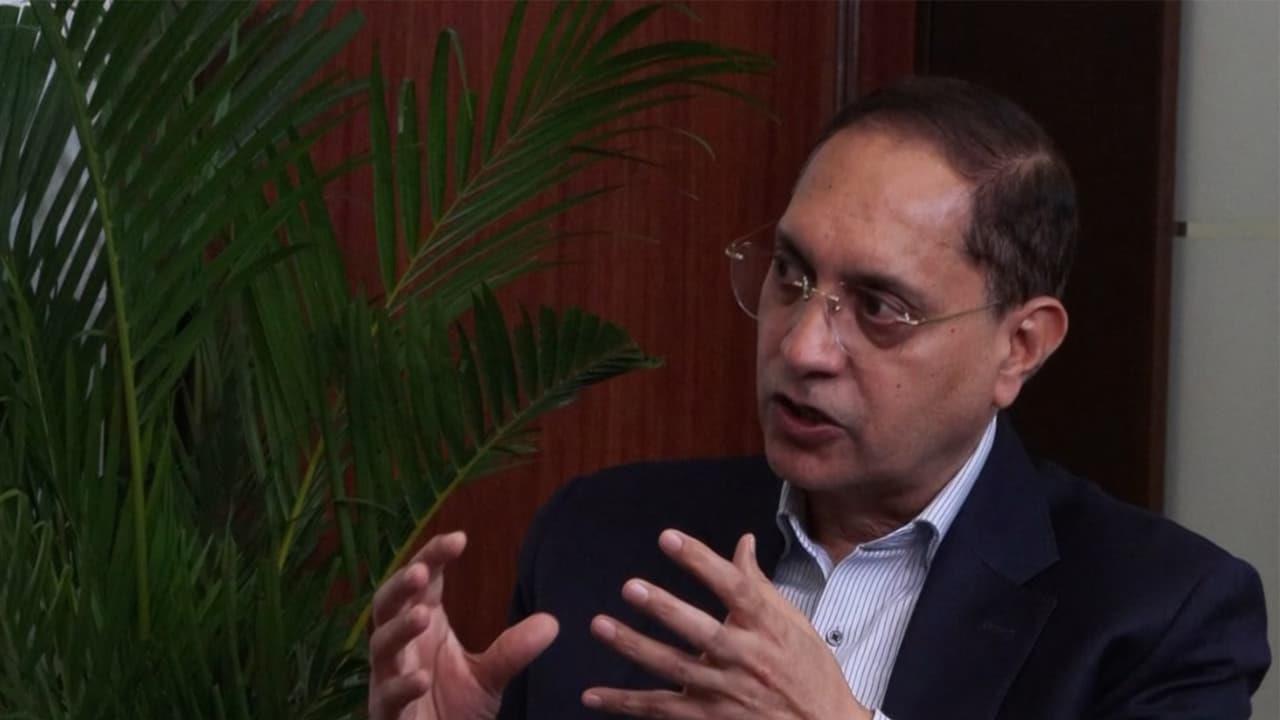
Jane Street Episode Led To Sharper Surveillance In Derivatives: SEBI
(MENAFN- AsiaNet News)
The Jane Street episode has resulted in sharper surveillance and calibrated regulatory tightening of India's derivatives market, says Securities and Exchange Board of India (SEBI) Chairperson Tuhin Kanta Pandey. The regulator has strengthened both its rule framework and real-time monitoring systems in response to the developments.
In an interaction with ANI, the SEBI Chairperson said that the regulator does not comment on individual matters as a matter of policy, but acknowledged that handling the Jane Street case led to a significant reinforcement of oversight mechanisms. "It is not appropriate for us as a regulator to speak in the media on specific cases. Our orders speak for themselves," Pandey said when asked about the legal status of the matter, while underscoring that the regulatory response has been substantial.
Regulatory and Surveillance Enhancements
"There have certainly been learnings," he stated. "We have upgraded our surveillance infrastructure and introduced several regulatory measures, covering position limits, delta-based exposure calculations, and the methodology for measuring and monitoring derivatives activity. The associated rules have also been refined."
Targeted Intervention in Derivatives
Pandey noted that SEBI has transitioned toward enhanced real-time surveillance in derivatives, particularly in segments that saw heightened speculative activity. Over the past year, calibrated steps were introduced in index options, especially around expiry-day trading, where low premiums had triggered hyperactivity and elevated risk-taking among retail investors.
Describing market intervention as a "surgeon's knife, not a sledgehammer," he indicated that regulatory action is data-driven and targeted. "We first published data on trends in the options segment. Retail losses were significant. Following wide consultation, we rolled out measures in phases," he said, referring to reforms implemented in late 2024 and mid-2025.
Strengthening Controls and Coordination
He added that several insider trading orders have been upheld by courts. SEBI has also worked with fiduciary institutions, including banks and intermediaries, to tighten controls around Unpublished Price Sensitive Information (UPSI), alongside conducting workshops and strengthening inter-regulatory coordination to mitigate systemic risks.
SEBI's Guiding Philosophy
Reiterating SEBI's guiding philosophy of optimum regulation, Pandey said the objective is to balance investor protection with market development. Over-regulation, he cautioned, can impede innovation and raise compliance costs, while under-regulation undermines market confidence.
"The capital market is central to capital formation and economic growth. Our responsibility is to ensure trust, transparency, teamwork, and technology-driven oversight," he added. As India navigates global volatility and rising retail participation, SEBI's evolving regulatory framework, shaped in part by experiences such as the Jane Street case, signals a more technology-enabled and analytically robust enforcement regime, he said. (ANI)
(Except for the headline, this story has not been edited by Asianet Newsable English staff and is published from a syndicated feed.)
Legal Disclaimer:
MENAFN provides the
information “as is” without warranty of any kind. We do not accept
any responsibility or liability for the accuracy, content, images,
videos, licenses, completeness, legality, or reliability of the information
contained in this article. If you have any complaints or copyright
issues related to this article, kindly contact the provider above.
Most popular stories
Market Research

More Story








Comments
No comment