



403
Sorry!!
Error! We're sorry, but the page you were looking for doesn't exist.
Child Psychologists Warn: 5 Purchases That Feed Kids' Egos (Not Development)
(MENAFN- Kids Aint Cheap) -US">Child Psychologists Warn: 5 Purchases That Feed Kids' Egos (Not Development)
- Home About Us Archives Contact Us Advertise Privacy Policy
Kids Ain't Cheap
But They Sure Are Worth It
- Home Toolkit Parenting
- Baby Stuff Books and Reading
- Aesops Fables Comic Books
- Books and Magazines Discount Sites Furniture House Keeping Reviews News Toys and Games
February 25, 2026 | Leave a Comment
Image source: Shutterstock
We all want to give our children the world, especially when we feel the pressure of modern parenting. You see the polished rooms on social media and the latest gadgets in every backpack, and you wonder if your child is falling behind. It is easy to think that the next big purchase will be the one that finally builds their confidence. However, child psychologists are sounding the alarm on a growing trend of consumerism that does the exact opposite. You might be spending your hard-earned money on items that actually stunt emotional growth and inflate a fragile ego. Here is why your retail therapy for your kids might be backfiring.
1. The All-Access SmartphoneHanding a child a top-tier smartphone before they can manage their own laundry is a recipe for an ego disaster. These devices offer a world of instant gratification and digital validation that a developing brain cannot handle. On the other hand, the constant stream of likes and comments teaches them that their worth is tied to an audience. They stop looking inward for satisfaction and start performing for a screen. This purchase often replaces the boredom that is actually necessary for creativity and self-reflection.
2. High-End Designer LabelsBuying luxury clothing for a child who is still growing out of their shoes every six months sends a loud message. It tells them that status is something you wear rather than something you earn. Surprisingly, this often leads to a deep-seated insecurity once they are around peers they cannot outdress. They begin to view people through the lens of brand names rather than character. You are essentially paying to teach your child that they are only as valuable as the logo on their chest.
3. Unearned Performance TrophiesWe want every child to feel like a winner, but filling a shelf with participation trophies can be incredibly damaging. Psychologists argue that these purchases devalue the concept of hard work and resilience. If a child receives the same reward for sitting on the bench as the one who practiced every day, they lose the drive to improve. This creates an ego that expects praise for simply showing up. In the real world, this translates to a lack of grit when things finally get difficult.
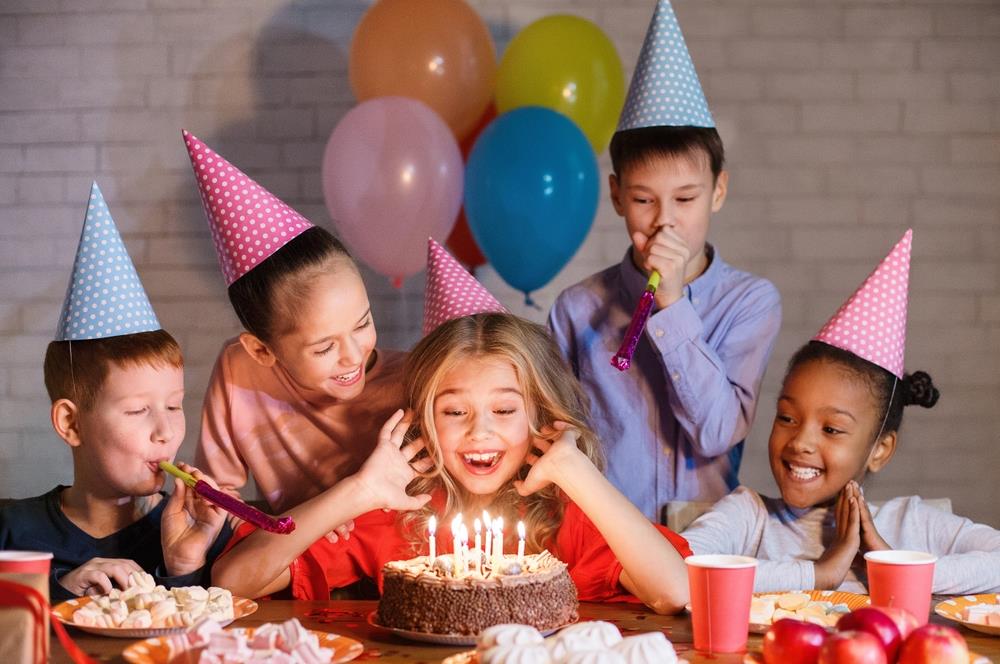
4. Over-the-Top Birthday ExtravaganzasThe age of the four-figure toddler birthday party has arrived, and it is not doing our kids any favors. When we turn a simple milestone into a production that rivals a wedding, the child becomes the consumer of a spectacle rather than a participant in a community. They learn to expect life to be a series of grand events centered entirely on them. This inflates their sense of importance while simultaneously making ordinary days feel like a letdown. True development happens in the small, quiet moments, not under a rented spotlight.
5. The Infinite Toy SubscriptionA constant influx of new toys prevents a child from ever forming a bond with what they already own. Subscription boxes that arrive like clockwork teach kids that novelty is the only cure for boredom. Instead of learning to use their imagination with a single block, they wait for the next plastic gadget to arrive. This cycle of consumption feeds a sense of entitlement and an inability to delay gratification. Honestly, it turns your home into a warehouse of forgotten items rather than a space for meaningful play.
Your child does not need more things to feel significant; they need more experiences that challenge their capabilities. Real confidence comes from overcoming obstacles, learning new skills, and contributing to the family. When we strip away the excess, we give them the space to discover who they are without the noise of material goods. It is a hard shift to make in a world that tells you to buy more, but your child's future self will thank you for it. Focus on the tools for growth, not the toys for show. Have you noticed a difference in your child's behavior after a big purchase? Leave a comment below and let's talk about it.

Legal Disclaimer:
MENAFN provides the
information “as is” without warranty of any kind. We do not accept
any responsibility or liability for the accuracy, content, images,
videos, licenses, completeness, legality, or reliability of the information
contained in this article. If you have any complaints or copyright
issues related to this article, kindly contact the provider above.
Most popular stories
Market Research

More Story








Comments
No comment