




403
Sorry!!
Error! We're sorry, but the page you were looking for doesn't exist.
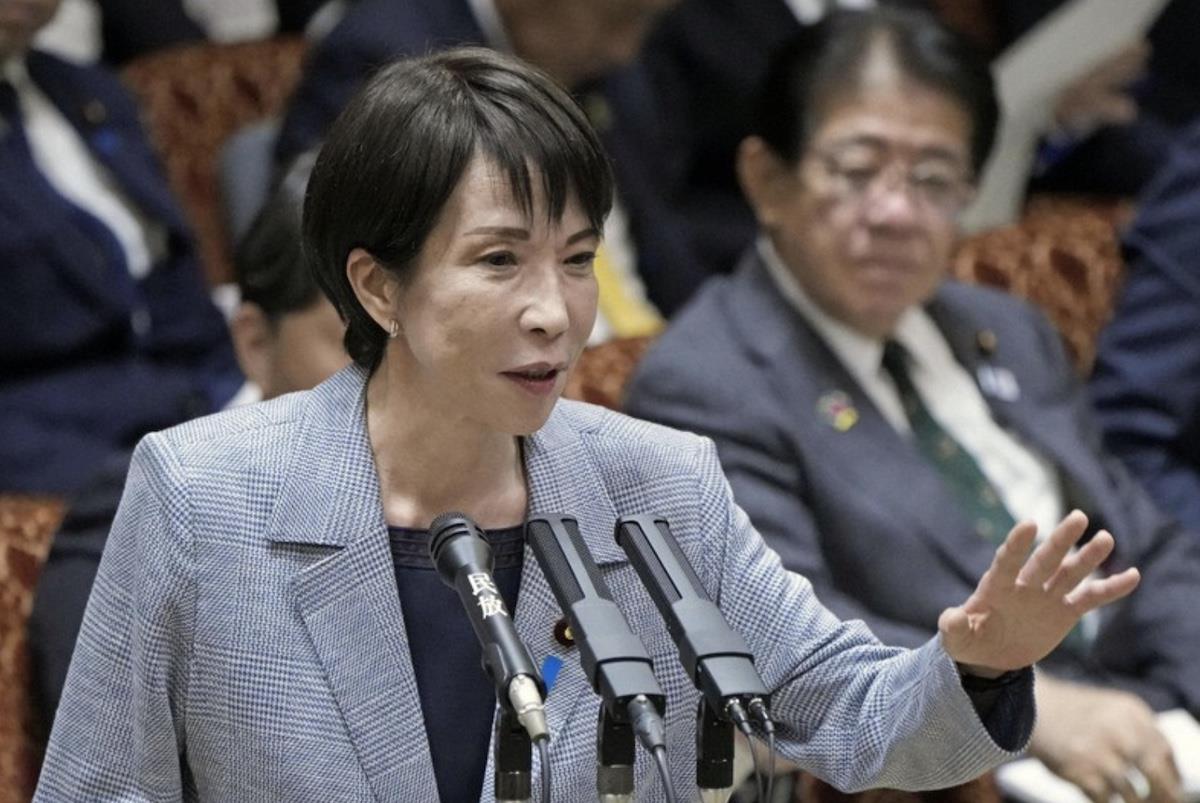
Takaichi Seeks Voter Blessing For A New Fiscal Blowout
(MENAFN- Asia Times)
TOKYO - Prime Minister Sanae Takaichi's party looks set to strengthen its hold on parliament in Sunday's election, which, if so, will free her to pump new waves of stimulus into Japan's underperforming economy.
Voters appear jazzed by the prospect of reopening those fiscal floodgates. Yet bond investors couldn't be more worried about what's to come, as evidenced by the highest Japanese government bond (JGB) yields since 1999.
A key reason Takaichi called the September 8 snap election is to harness high approval ratings to hit the stimulus accelerator anew. Things could get worse than that, though, if Takaichi's Liberal Democratic Party (LDP) turns its sights on the Bank of Japan.
Given the LDP's track record over the last 30 years, this seems less an“if” than a“when.” And a“how,” as markets wonder about the extent to which Team Takaichi might pressure the BOJ to abandon its onetary tightening cycle.
Of course, a lackluster performance by Takaichi's LDP could be yen-positive. Investors might bet that Takaichi would have less latitude to push ahead with her fiscal profligacy and weak yen policy. That also could give the BOJ greater confidence to go its own way on interest rates.
BOJ Governor Kazuo Ueda and his board still argue that their tightening cycle remains intact. In December, for example, Ueda & Co hiked short-term rates to 0.75%, the highest level since 1995.
Yet with Japan skirting recession, real wages ending 2025 in negative territory and Takaichi likely newly emboldened by Sunday's results, the BOJ's latitude to hike rates is dwindling.
No one can say how big a spectacle a Takaichi-Ueda standoff might be. It's worth exploring, though, how Takaichi's economic team seems to have taken the wrong lessons from quantitative easing (QE) in both the 1990s and the 1930s - back in the days of Korekiyo Takahashi, who's often referred to as“Japanese Keynes.”
True, modern QE is widely thought to have started in 2001. That year, the BOJ led by Masaru Hayami pioneered a strategy that Tokyo employed to combat deflation and paper over the cracks caused by a severe bad-loan crisis that deepened in the 1990s.

Legal Disclaimer:
MENAFN provides the
information “as is” without warranty of any kind. We do not accept
any responsibility or liability for the accuracy, content, images,
videos, licenses, completeness, legality, or reliability of the information
contained in this article. If you have any complaints or copyright
issues related to this article, kindly contact the provider above.
Most popular stories
Market Research

More Story





Comments
No comment