



403
Sorry!!
Error! We're sorry, but the page you were looking for doesn't exist.
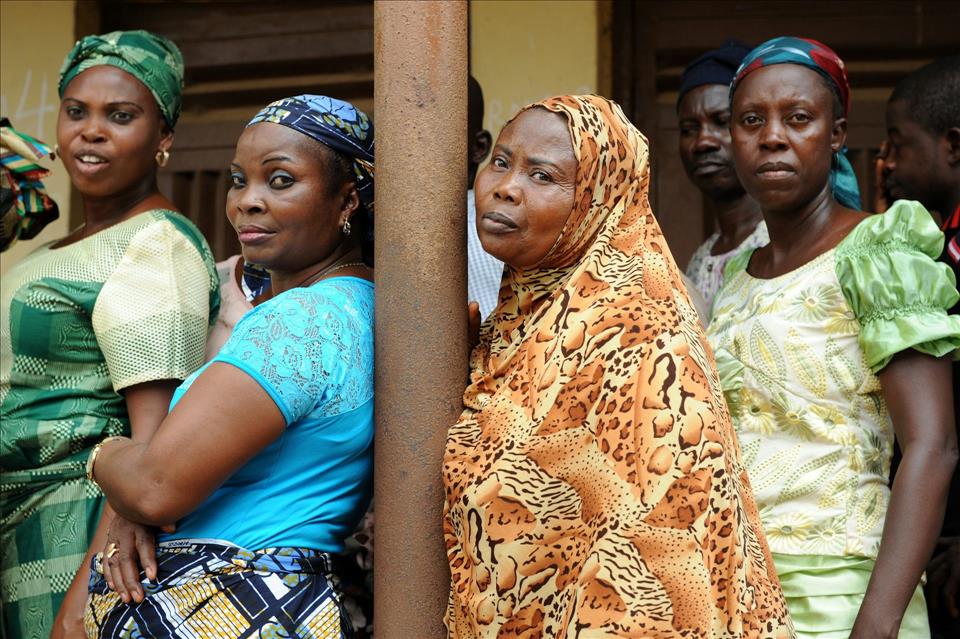
Nigerian Women And Contraceptives: Study Finds Big Gaps Between The Haves And The Have-Nots
Author: have-nots
(MENAFN- The Conversation) Nigerian women who are wealthier, more educated and urban are more likely to use modern contraceptives than poorer, less educated and rural women. This is one of the findings of a study that assessed patterns of inequality in modern contraceptive use. This highlights persistent inequalities in access to family planning services. Obasanjo Bolarinwa, a global public health researcher, unpacks the findings.What's behind differences in contraceptive use in Nigeria?

I analysed data from the Nigeria Demographic and Health Surveys 2003 and 2018 using the WHO Health Equity Assessment Toolkit to assess contraceptive use in the country.
My analysis shows that use of modern contraceptives of all types has increased modestly among sexually active women of reproductive age (15 to 49) – from 8.2% to 12% between 2003 and 2018.
However, the women who use these methods are constrained by persistent structural inequalities.
Age was one of the strongest factors driving disparity. Women aged 20-49 were far more likely to use modern methods than adolescents. Use among adolescents aged 15-19 was extremely low and declined from just 3.8% in 2003 to 2.3% in 2018.
Wealth also played an important role. Women in the richest households were the main users of contraceptives. Those in poorer households faced barriers which could be linked to cost, access and competing basic needs.
Education emerged as another clear divider. Women with primary and secondary or higher education were significantly more likely to use modern methods than those with no formal education.
Place of residence also mattered: urban women had higher use than their rural counterparts.
Sub-national regions showed distinct patterns too. The South West was consistently ahead; the North West and North East lagged. This could be a result of longstanding regional inequalities in development and service access. It is further exacerbated by sustained conflict and insecurity in the northern region of the country.
Why are these findings significant?They're important for two reasons.
Firstly, they point to a family planning landscape where socio-economic and demographic advantages strongly determine a woman's ability to prevent unwanted pregnancy. This deepens existing inequalities. Disadvantaged women are more exposed to unintended pregnancy, unsafe abortion, and preventable maternal health risks.
Secondly, the data show that the drivers of inequality identified in the study are not marginal. They reflect the fact that poverty is widespread – and unevenly distributed – in Nigeria.
This affects women's ability to afford transport to clinics or purchase preferred modern contraceptive methods.
Similarly, educational disparities persist. A large share of Nigerian women, especially in rural northern regions, still have no formal education. The literacy level among women aged 15 and above in the country is 62.4%. It is 37% for North East and 32% for North West.
This limits their autonomy, knowledge of options, and access to reproductive health information.
Urban-rural divides are also pronounced. Urban centres such as Lagos and Abuja continue to benefit from better-resourced health systems. These have a broader mix of contraceptive methods, and more trained personnel.
Rural areas often struggle with stockouts, weak infrastructure, and limited access to outreach services. Regional differences mirror broader development patterns. The South West, for example, has maintained the highest prevalence of contraceptive use, while northern regions lag. This is due to socio-economic, cultural and systemic constraints, including zonal conflicts.
Adolescents form another sizeable and vulnerable population group. The most recent 2024 Nigeria Demographic and Health Survey reports that approximately 15% of girls aged 15-19 have experienced pregnancy. With early marriage common in some regions and comprehensive sexuality education still limited, young women face unique challenges in accessing contraception.
These structural factors are not isolated; they are deeply embedded in Nigeria's social fabric. Without deliberate action, contraceptive inequality will remain widespread. It will remain a barrier to achieving reproductive health goals.
Read more: Nigeria's cities are growing fast: family planning must be part of urban development plans
What are the dangers of this inequality?Unequal access to contraception poses risks to sexually active women, families, and the country's development.
When poorer, younger, less educated, or rural women cannot access modern contraceptives, the likelihood of unintended pregnancies increases. Such pregnancies often lead to unsafe abortions, maternal health complications, and higher maternal and infant mortality. Nigeria's rate of 1,047 deaths per 100,000 births in 2020 is the third-highest maternal mortality in Africa. Unequal contraceptive access continues to worsen this reality.
Unchecked inequality also reinforces cycles of poverty. Women who cannot space or limit their births face challenges in pursuing education or employment, which reduces household economic stability. Adolescents are particularly at risk. Limited access to contraception contributes to early and closely spaced pregnancies, which undermine long-term health and socio-economic prospects.
High fertility rates continue to strain Nigeria's health, education and economic systems. Regions with low contraceptive use tend to have higher fertility and greater unmet need, entrenching regional disparities. Gender equality is also compromised when women lack control over their reproductive lives.
Without addressing systemic barriers, progress in women's health and national development will remain slow and uneven.
Read more: Restrictive abortion laws put Nigerian women in danger
How can the gaps be closed?Closing these gaps requires a multi-layered and equity-focused approach.
First, adolescents need targeted interventions. This could include youth-friendly services, improved sexuality education, and community engagement to reduce stigma around contraceptive use.
Service delivery must also prioritise rural areas through better supply-chain systems, and mobile clinics. There must also be community health workers who can reach hard-to-access populations.
Addressing economic inequalities means ensuring contraceptives are consistently free or subsidised and that essential methods are widely available.
Health insurance coverage for reproductive services must be strengthened. This can reduce out-of-pocket costs that discourage uptake among women from lower socioeconomic backgrounds.
Education is an important enabler. Investing in girls' education improves health-seeking behaviour and long-term contraceptive use. Adult women with limited schooling also need targeted outreach, counselling, and culturally appropriate communication strategies.
Regional inequalities call for decentralised planning. States and local governments should tailor family planning programmes to their specific barriers. Collaboration with religious and community leaders can help shift norms and increase acceptance.
Continuous monitoring using tools such as the WHO HEAT toolkit, and long-term investment in health systems, are also important.
Ensuring all women – regardless of age, income, education, or location – can access modern contraceptives will advance Nigeria's progress towards reproductive justice and sustainable development.
Institution:York St John University

Legal Disclaimer:
MENAFN provides the
information “as is” without warranty of any kind. We do not accept
any responsibility or liability for the accuracy, content, images,
videos, licenses, completeness, legality, or reliability of the information
contained in this article. If you have any complaints or copyright
issues related to this article, kindly contact the provider above.
Most popular stories
Market Research

More Story








Comments
No comment