


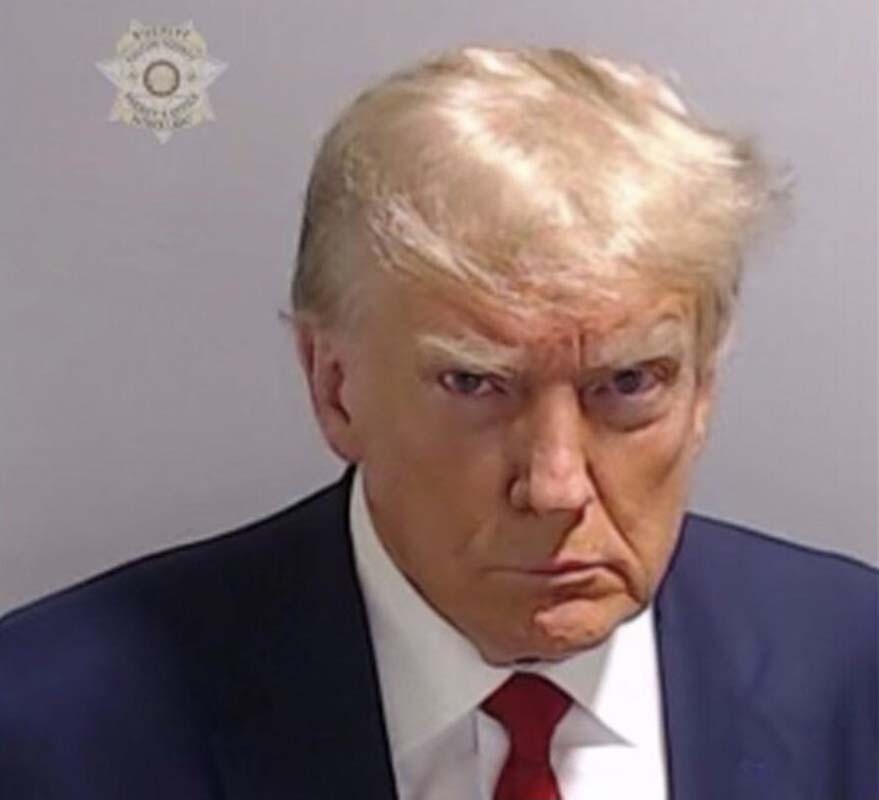
Trump’s Government Plans to Cut Dependence on China


(MENAFN) The administration of US President Donald Trump is preparing a plan to create a national reserve of key minerals as part of a broader effort to lessen the country’s dependence on supplies largely controlled by China, according to reports citing people familiar with the matter.
Rare-earth minerals play a central role in a wide range of products, from consumer electronics and electric vehicles to sophisticated military equipment. China currently controls over 90% of the world’s rare-earth processing capacity and produces nearly all permanent magnets, giving it overwhelming influence over supply chains that are critical to both industrial production and national defense.
According to reports, the initiative, known as Project Vault, would rely on a mix of private investment and a $10 billion loan from the US Export-Import Bank to purchase and store essential minerals. The reserve is designed to protect American manufacturers from sudden price swings and potential supply interruptions.
More than a dozen large corporations are said to be participating in the plan, including major players from the automotive, aerospace, and technology sectors.
China has already taken steps that intensified concerns in Washington. In April 2025, Beijing imposed export controls on specific rare-earth materials used for military purposes, citing national security reasons. These measures were later expanded through tougher licensing rules and provisions that applied beyond China’s borders, particularly affecting shipments tied to US defense and semiconductor industries.
Following talks between Trump and Chinese President Xi Jinping in October in South Korea, China agreed to pause the newest restrictions for one year in return for corresponding reductions in US tariffs.
Despite this temporary easing, the United States has continued to push ahead with efforts to reduce its exposure by securing alternative sources through agreements with countries such as Australia, Japan, and Ukraine.
Demand for rare-earth minerals has been rising sharply as trade frictions between the world’s two largest economies deepen. Energy and industry forecasts predict that demand for materials like lithium and cobalt could increase up to thirtyfold by 2040, driven by the rapid expansion of electric vehicles and energy storage technologies.
Other major powers are also moving to strengthen their positions in this sector. Russian President Vladimir Putin has directed his government to develop a long-term plan for rare-earth extraction and production. Russia estimates it holds around 658 million tons of rare metals, including 28.5 million tons spanning 15 rare-earth categories, reserves it says are sufficient to cover the country’s long-term domestic requirements.
Rare-earth minerals play a central role in a wide range of products, from consumer electronics and electric vehicles to sophisticated military equipment. China currently controls over 90% of the world’s rare-earth processing capacity and produces nearly all permanent magnets, giving it overwhelming influence over supply chains that are critical to both industrial production and national defense.
According to reports, the initiative, known as Project Vault, would rely on a mix of private investment and a $10 billion loan from the US Export-Import Bank to purchase and store essential minerals. The reserve is designed to protect American manufacturers from sudden price swings and potential supply interruptions.
More than a dozen large corporations are said to be participating in the plan, including major players from the automotive, aerospace, and technology sectors.
China has already taken steps that intensified concerns in Washington. In April 2025, Beijing imposed export controls on specific rare-earth materials used for military purposes, citing national security reasons. These measures were later expanded through tougher licensing rules and provisions that applied beyond China’s borders, particularly affecting shipments tied to US defense and semiconductor industries.
Following talks between Trump and Chinese President Xi Jinping in October in South Korea, China agreed to pause the newest restrictions for one year in return for corresponding reductions in US tariffs.
Despite this temporary easing, the United States has continued to push ahead with efforts to reduce its exposure by securing alternative sources through agreements with countries such as Australia, Japan, and Ukraine.
Demand for rare-earth minerals has been rising sharply as trade frictions between the world’s two largest economies deepen. Energy and industry forecasts predict that demand for materials like lithium and cobalt could increase up to thirtyfold by 2040, driven by the rapid expansion of electric vehicles and energy storage technologies.
Other major powers are also moving to strengthen their positions in this sector. Russian President Vladimir Putin has directed his government to develop a long-term plan for rare-earth extraction and production. Russia estimates it holds around 658 million tons of rare metals, including 28.5 million tons spanning 15 rare-earth categories, reserves it says are sufficient to cover the country’s long-term domestic requirements.

Legal Disclaimer:
MENAFN provides the
information “as is” without warranty of any kind. We do not accept
any responsibility or liability for the accuracy, content, images,
videos, licenses, completeness, legality, or reliability of the information
contained in this article. If you have any complaints or copyright
issues related to this article, kindly contact the provider above.


Comments
No comment