






403
Sorry!!
Error! We're sorry, but the page you were looking for doesn't exist.
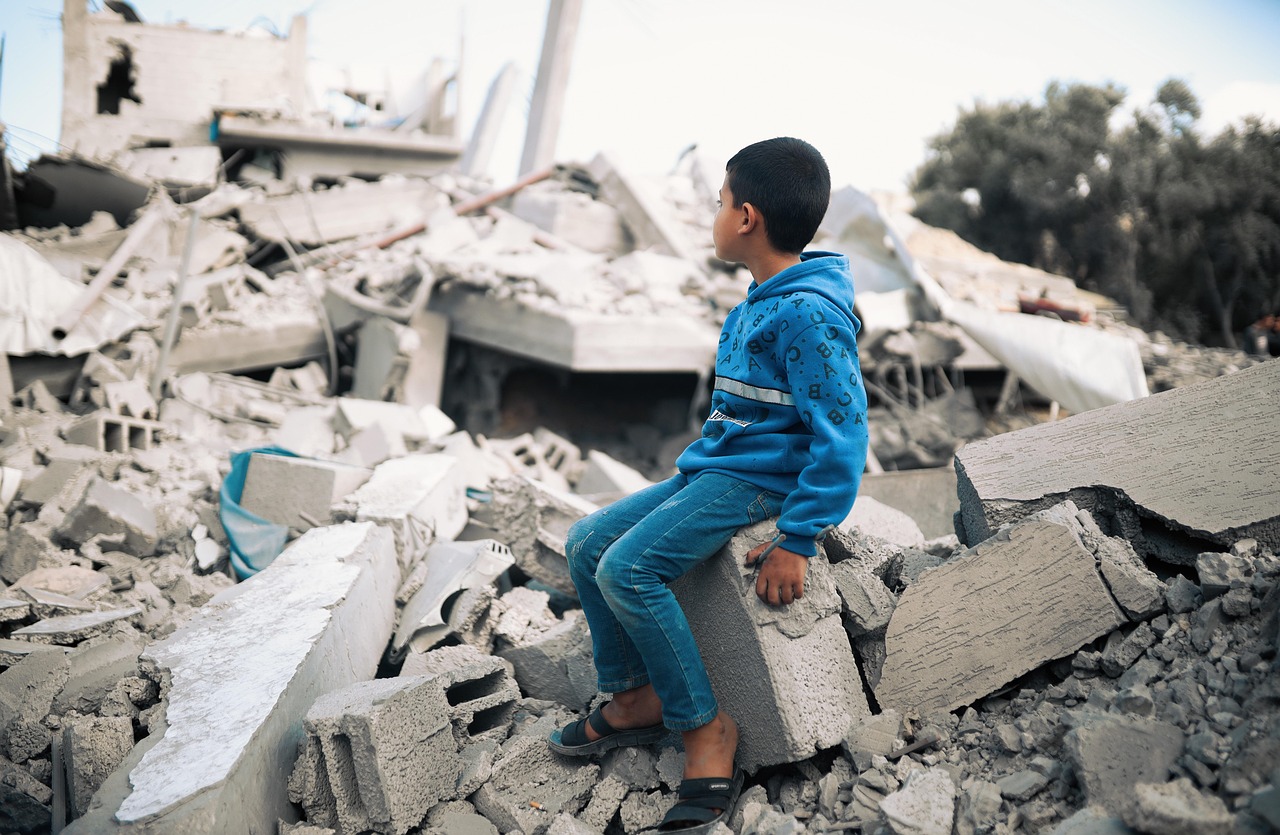
Rafah Border Crossing Reopens for Select Few Palestinians
(MENAFN) The Rafah border crossing linking Gaza with Egypt reopened on Monday, allowing a limited number of Palestinians to pass through after a prolonged closure.
Health officials in Gaza estimate that around 20,000 people are in urgent need of medical evacuation. Despite this, the territory’s primary gateway has remained mostly inaccessible for nearly two years. Reports indicate that only five patients were permitted to cross on Monday, out of a list exceeding 22,000 people requiring treatment.
In remarks given to media outlets, the head of one of Gaza’s hospitals, Mohamed Abou Salmiah, said the figures demonstrate that “Israel is practicing a collective punishment that threatens thousands of prisoners with murder.”
Israel’s military body responsible for overseeing assistance to Gaza stated on Sunday that the crossing would resume operations in both directions, but only for pedestrians. The agency added that the process would be coordinated with Egyptian authorities and the European Union.
While the precise daily quota has not been officially confirmed, sources familiar with the matter have said that anywhere between 50 and 150 individuals may be allowed to leave Gaza each day.
Prior to the outbreak of war, Rafah served as Gaza’s sole direct exit to the outside world for most residents and was also a crucial entry point for humanitarian aid.
Despite the limited reopening, Israel continues to deny access to foreign journalists seeking to enter Gaza.
At the same time, reports indicate that a senior US envoy is expected to arrive in Israel on Tuesday for talks with Prime Minister Benjamin Netanyahu.
The reopening of the crossing is considered a central element of US President Donald Trump’s plan to halt the fighting between Israel and Hamas, which came into effect last October. Until now, Israel had declined to authorize any border crossings, insisting that Hamas first hand over the remains of the last hostage held in Gaza.
The planned diplomatic meeting comes as Washington presses Israel to advance the second phase of the “ceasefire” in Gaza, against the backdrop of rising tensions between the United States and Iran.
Health officials in Gaza estimate that around 20,000 people are in urgent need of medical evacuation. Despite this, the territory’s primary gateway has remained mostly inaccessible for nearly two years. Reports indicate that only five patients were permitted to cross on Monday, out of a list exceeding 22,000 people requiring treatment.
In remarks given to media outlets, the head of one of Gaza’s hospitals, Mohamed Abou Salmiah, said the figures demonstrate that “Israel is practicing a collective punishment that threatens thousands of prisoners with murder.”
Israel’s military body responsible for overseeing assistance to Gaza stated on Sunday that the crossing would resume operations in both directions, but only for pedestrians. The agency added that the process would be coordinated with Egyptian authorities and the European Union.
While the precise daily quota has not been officially confirmed, sources familiar with the matter have said that anywhere between 50 and 150 individuals may be allowed to leave Gaza each day.
Prior to the outbreak of war, Rafah served as Gaza’s sole direct exit to the outside world for most residents and was also a crucial entry point for humanitarian aid.
Despite the limited reopening, Israel continues to deny access to foreign journalists seeking to enter Gaza.
At the same time, reports indicate that a senior US envoy is expected to arrive in Israel on Tuesday for talks with Prime Minister Benjamin Netanyahu.
The reopening of the crossing is considered a central element of US President Donald Trump’s plan to halt the fighting between Israel and Hamas, which came into effect last October. Until now, Israel had declined to authorize any border crossings, insisting that Hamas first hand over the remains of the last hostage held in Gaza.
The planned diplomatic meeting comes as Washington presses Israel to advance the second phase of the “ceasefire” in Gaza, against the backdrop of rising tensions between the United States and Iran.

Legal Disclaimer:
MENAFN provides the
information “as is” without warranty of any kind. We do not accept
any responsibility or liability for the accuracy, content, images,
videos, licenses, completeness, legality, or reliability of the information
contained in this article. If you have any complaints or copyright
issues related to this article, kindly contact the provider above.
Most popular stories
Market Research

More Story








Comments
No comment