





403
Sorry!!
Error! We're sorry, but the page you were looking for doesn't exist.
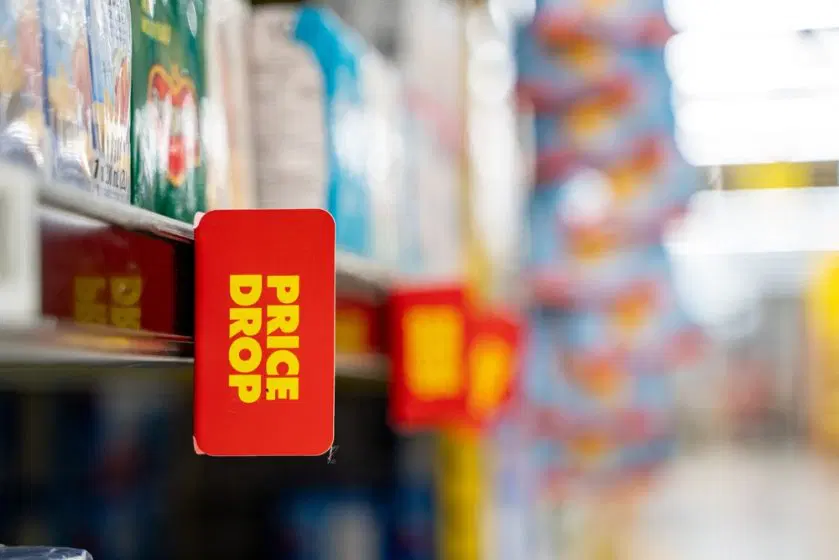
Do Supermarkets Hide Price Drops Behind Brand Labels?
(MENAFN- Grocery Coupon Guide)
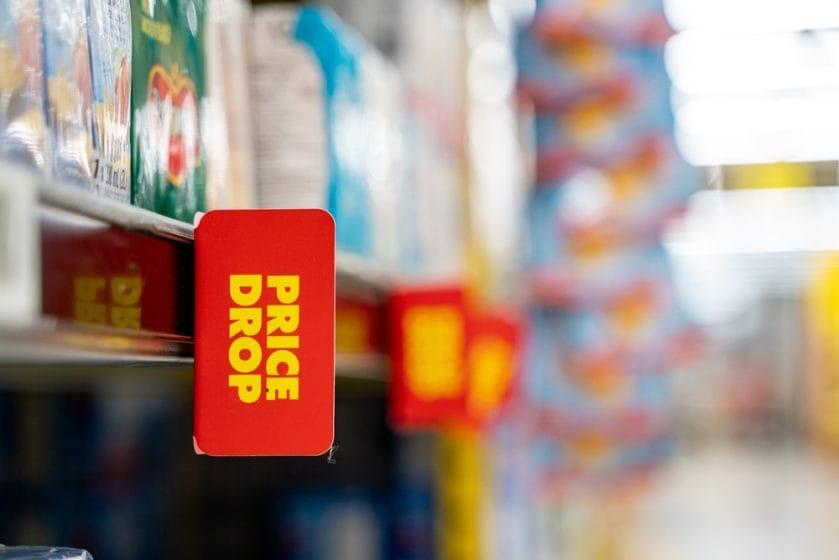
Image source: shutterstock
Have you ever noticed a“new look” box show up on the shelf and suddenly your usual brand costs less, but nobody announced it? Or you spot a store-brand version with a loud“everyday low price” tag while the name brand quietly shifts to a different size, a different promo cycle, or a slightly different placement.
It can feel like supermarkets are playing a shell game with labels, making it hard to tell when the real deal happens. The truth is, stores don't usually“hide” lower prices in a sinister way, but they do use branding and shelf strategy to steer attention. That can make legitimate price drops easy to miss if you only look for bright sale tags. Here's how the system works and how to spot genuine savings without falling for packaging tricks.
How Shelf Labels And Brand Blocks Shape What You NoticeMost shoppers scan shelves quickly, and stores know it. Big brand blocks, bright packaging, and familiar logos pull your eyes first, even when the best deal is sitting right beside them.
Price tags are small, and unit price text is often smaller, so changes can slip by unless you're looking closely. Stores also use different label types, like promo tags, loyalty-only tags, and“low price” tags, which can make comparisons feel messy. When you're rushing, the label design can distract you from price drops that are real.
Why Stores Prefer Quiet Changes Over Loud AnnouncementsStores love“sale energy,” but they don't always want to train shoppers to wait for markdowns on everything. If a retailer permanently lowers a price, they might not shout about it, because it can reduce urgency to buy other items at higher margins.
They also adjust prices frequently based on supplier costs, competition, and inventory, and not every change is worth a full promotional tag. Sometimes a brand funds a temporary discount, and the store simply updates the shelf price without adding extra signage. That's one reason price drops can look“hidden,” even when they're just unadvertised updates.
Brand Labels Can Mask Shrinkflation And Make Drops Harder To TrackPackaging changes often land at the same time as pricing shifts, and that can confuse the picture. A“new look” label can distract you from a smaller net weight, which changes the value even if the shelf price stayed the same.
A price drop on the shelf might not be a true deal if the package size shrank, because your cost per ounce could actually be higher. Brands also roll out“family size,”“value size,” and“new recipe” versions that don't line up cleanly with the old product. If you only track sticker price, you'll miss the real story behind price drops.
The Unit Price Is Where The Truth LivesIf you want a fast, reliable check, use the unit price on the shelf tag. It's usually listed as price per ounce, pound, or count, and it's the best way to compare across sizes and brands.
When the unit price drops, that's a real improvement, even if the shelf label isn't flashy. When the unit price stays the same or rises, a“new lower price” vibe may be more marketing than savings. Learning to read unit pricing turns price drops from a guessing game into a quick scan.
How Store Brands Can Hide Or Highlight ValueStore brands often sit next to national brands on purpose, and their labels are designed to feel simple and budget-friendly. When store brands drop in price, the store may highlight it because it strengthens their value reputation.
When national brands drop in price, it might be quieter because it doesn't build the store's brand the same way. Also, stores sometimes run aggressive promotions on name brands to pull you into the aisle, then rely on you to add higher-margin items nearby. That mix can make price drops look selective based on which label benefits the store most.
The Best Ways To Spot Real Drops Without ObsessingYou don't need a spreadsheet to shop smarter, but you do need a consistent method. Keep a short mental list of your“usual” unit prices for your top ten repeat items, because those are where savings matter most.
Take a photo of shelf tags for a couple of staples once a month, so you can compare later when something feels different. If your store has an online cart, add your staples and watch for changes even if you don't check out. These habits help you notice price drops that aren't advertised.
When A“Drop” Is Actually A Coupon TrapSometimes the shelf price goes down, but only if you buy multiple items or clip a digital coupon. That can be fine if you'd buy the items anyway, but it isn't a true everyday change.
Multi-buy pricing can also push you into buying more than you need, which turns a discount into waste. Watch for loyalty pricing that looks like a permanent drop but only applies with an account. If you want to measure real price drops, compare the regular shelf price without conditions.
A Smarter Way To Read The ShelfSupermarkets don't need to hide lower prices to benefit from confusing shopping patterns, because most people don't track unit pricing closely. Branding, placement, and label design can absolutely make price drops easy to overlook, especially when packaging changes at the same time.
Your advantage comes from slowing down for five seconds and checking the unit price and net weight before you toss something in the cart. Once you build that habit, you'll spot real improvements, avoid shrinkflation traps, and stop relying on bright tags to tell you what's a deal. That's how you stay in control of your grocery budget in a store designed to move fast.
Have you ever noticed a“quiet” price drop on something you buy often, and what tipped you off that it changed?
Legal Disclaimer:
MENAFN provides the
information “as is” without warranty of any kind. We do not accept
any responsibility or liability for the accuracy, content, images,
videos, licenses, completeness, legality, or reliability of the information
contained in this article. If you have any complaints or copyright
issues related to this article, kindly contact the provider above.
Most popular stories
Market Research

More Story








Comments
No comment