




403
Sorry!!
Error! We're sorry, but the page you were looking for doesn't exist.
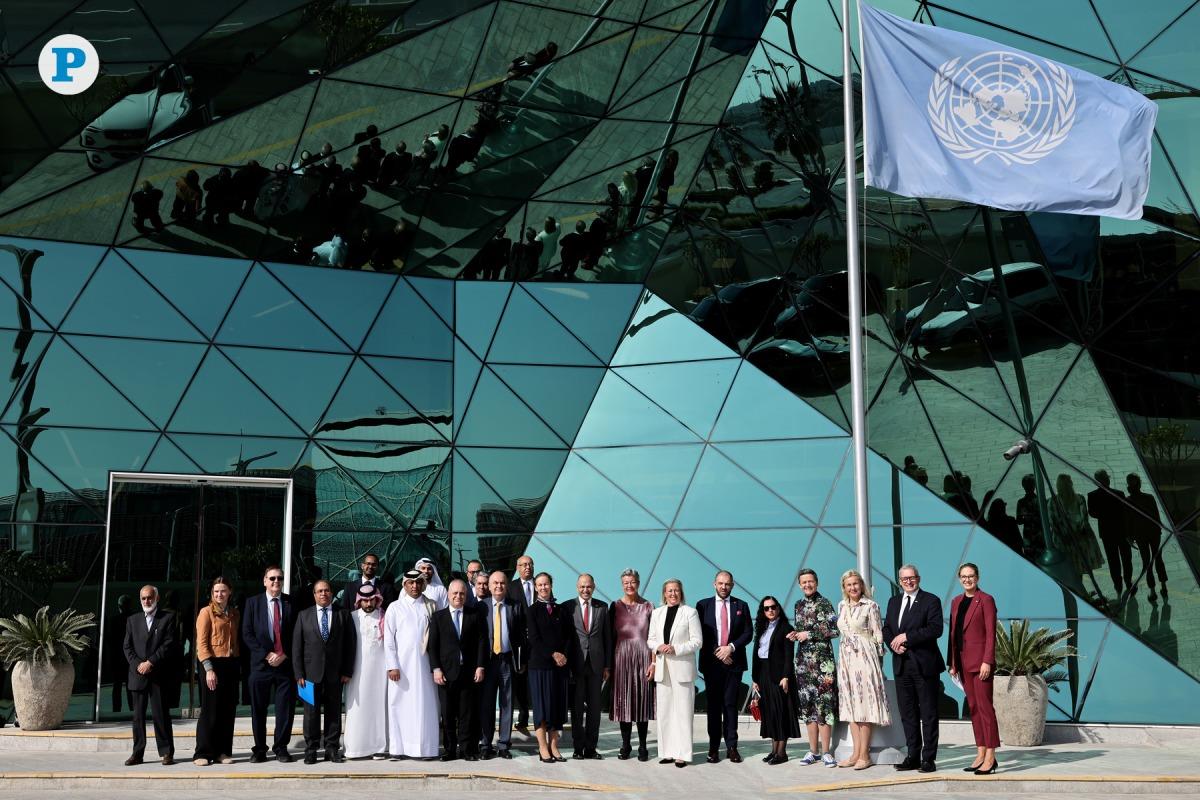
Former European Commissioners Urge Deeper EU-GCC Partnership
(MENAFN- The Peninsula)
Fazeena Saleem
|
The Peninsula
DOHA: Four former European Union Commissioners have called for a decisive shift from vision to implementation in relations between Europe, the Gulf Cooperation Council (GCC) and Nordic countries, urging deeper cooperation centred on people-to-people diplomacy, peacebuilding, and digitally driven future economies.
The call was made during a high-level seminar held yesterday at the UN House in Doha, which brought together senior policymakers, diplomats and experts under the theme“Gulf, Nordic, and Europe – the New Strategic Partnership for Human Capital and Digital-Driven Future Economies.” The event was co-organised by the Embassies of Finland and Sweden, the Delegation of the European Union to the State of Qatar, and the Unesco Regional Office for the Gulf States and Yemen.
Building on the momentum of the Nordic–Gulf dialogue launched in Doha in December 2025, the seminar explored concrete pathways to translate shared ambitions into practical cooperation.
Discussions focused on digital transformation and artificial intelligence, education and skills development, sustainable economic growth, and the evolving role of diplomacy in conflict prevention.
Former EU Commissioners Margrethe Vestager (Denmark), Jutta Urpilainen (Finland), Kadri Simson (Estonia) and Ylva Johansson (Sweden) reflected on the strategic shift they helped shape during their 2019–2024 mandates, when the EU formally pivoted towards deeper engagement with the Gulf.
“Our joint presence here in Doha represents a testimony that the EU's proposal for a strategic partnership with the Gulf was a serious offer,” they said in a joint statement.
“Now, during 2026, it is time to come together and agree on concrete joint action.” The seminar was moderated by Deputy Head of Mission at the Finnish Embassy in Doha, Sara Stenroos.
Former Energy Commissioner Kadri Simson underscored the central role energy cooperation has played in stabilising EU–Gulf relations during global crises, from the COVID-19 pandemic to disruptions caused by Russia's war in Ukraine.
She recalled close coordination with Gulf producers and OPEC, as well as dialogue with Qatar during Europe's urgent search for gas alternatives.
Looking ahead, Simson stressed that the relationship must evolve alongside the global energy transition.“Clean hydrogen and renewable energy should be a core part of our future cooperation,” she said, noting that Gulf countries' geographic proximity and renewable potential position them as long-term partners for Europe's climate-neutral ambitions.
However, she emphasised that economic ties alone are not sufficient. Rapid technological change, including artificial intelligence, is transforming labour markets worldwide, making lifelong learning and skills reform a shared challenge.
“This is an area where Europe and the Gulf can genuinely learn from each other,” she said.
Simson also highlighted the Gulf's growing diplomatic role, particularly in mediation and dialogue. She argued that pragmatic engagement with all parties has proven effective in easing tensions and should form the basis of stronger EU–GCC cooperation in peacebuilding and conflict prevention.
Former Commissioner for International Partnerships Jutta Urpilainen echoed these views, describing peace as a long-term societal process rather than a single agreement.
She pointed to the EU's Global Gateway strategy as a key framework for joint action, mobilising large-scale investments in energy, transport, digitalisation, education and health across multiple regions.
Urpilainen also stressed the importance of people-to-people ties, calling for expanded academic cooperation and a stronger European university presence in the Gulf through programmes such as Erasmus+ and Horizon Europe.
The hosts of the event and senior diplomats also reinforced the strategic significance of the dialogue. Director of the Unesco Regional Office for the Gulf States and Yemen, Salah Khaled, said Unesco is actively contributing to skills development and digital transformation in the region through new regional reports and policy support, aligned with its technical and vocational education strategy.
European Union Ambassador to Qatar H E Dr Cristian Tudor summed up the shared vision in a single defining message:“In a world where the rules governing international conduct are being tested, the EU remains anchored in international law and a rules-based order and Qatar shares that commitment.”
He noted that the forthcoming EU–Qatar Strategic Partnership Agreement will deepen cooperation while strengthening people-to-people exchanges in research, innovation and education.
As discussions concluded, participants agreed that the EU–GCC partnership is entering a decisive phase, that will be measured not by declarations, but by tangible cooperation shaping a more resilient, connected and human-centred future.

Legal Disclaimer:
MENAFN provides the
information “as is” without warranty of any kind. We do not accept
any responsibility or liability for the accuracy, content, images,
videos, licenses, completeness, legality, or reliability of the information
contained in this article. If you have any complaints or copyright
issues related to this article, kindly contact the provider above.
Most popular stories
Market Research

More Story

Comments
No comment