





403
Sorry!!
Error! We're sorry, but the page you were looking for doesn't exist.
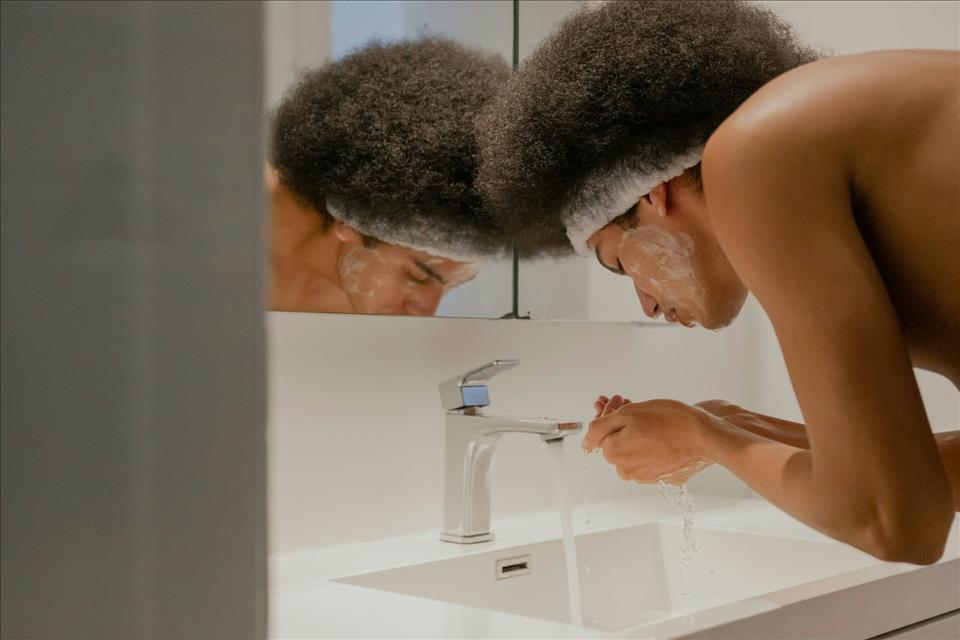
Men Are Embracing Beauty Culture - Many Of Them Just Refuse To Call It That
Author: Jordan Foster
(MENAFN- The Conversation) Just weeks after the premiere of popular gay hockey romance series Heated Rivalry, star Hudson Williams' extensive skincare routine has gone viral. In a now-viral video for The Cut, the 24-year-old walks viewers through his“five-step Korean beauty routine.”

His multi-step regimen includes a close shave, a cleanse, pore-minimizing treatments, a“super-glowing” toner and serums targeted toward“rejuvenating” the young star's face and body.
The nearly 20-minute routine, replete with self-deprecating humour and an ironic bent against vanity, has amassed some 500,000 views (and counting), almost 2,000 comments and 36,000 likes on YouTube alone.
Williams' routine, and its public broadcast online, is emblematic of a wider shift in our highly visual and virtual culture among men. From style guides and intensive workout routines to recommendations for skin and hair, men are investing in their appearance.
But, in a curious contortion, they've called their work on the face and body anything (and everything) but beauty.
Understanding beauty's cultural forceAs a researcher studying the cultural force of beauty and its various presentations online, I take questions related to appearance and attractiveness seriously.
I look to taken-for-granted trends online - images and advertisements as well as viral video clips - and their reception among audiences to understand how young people engage with and respond to beauty, and the various privileges and penalties it commands.
Beauty's cultural force has long weighed upon women, who have been invited to modify their appearances in step with challenging, often contradictory, beauty norms. But in a recent and curious shift, beauty norms and appearance pressures have intensified among men.
The rise of men's beauty habitsMen's bodies are increasingly visible in product advertisements and mainstream campaigns, with a surfeit of cosmetics targeted toward men.
Mundane investments in skincare and grooming are not uncommon, with young men especially doubling down on their efforts to refine the face and body through multi-step routines not unlike Williams'.
Driven at least in part by social media influencers and the rise of platformed figures who dialogue around the importance of looking good, “freshening up” and keeping sharp, men are investing in their appearance as women long have.
Alongside these investments, boys and men are enjoined to bulk up to achieve a muscled and well-defined look. Widely followed influencers and celebrities alike echo the call, endorsing a range of compound exercises to improve one's physique and “science based” changes to boost growth.
The drive toward muscularity is demanding, with many recommendations touting the importance of rigorous diets and intensive exercise regimes.
In the name of beautyWhile some recommendations are innocuous enough, men have entertained more extreme, sometimes dangerous practices to modify and refine the appearance of their face and body.
Sometimes called“looksmaxxing,” a term capturing efforts that enhance men's appearance, practices like“mewing” and the far more dangerous exercise of“bone-smashing” are often endorsed to promote facial harmony and a stronger jawline.
The preponderance and popularity of these appearance-focused practices online have produced what medical researcher Daniel Konig and his colleagues describe as an“almost pathological obsession” with attractiveness, with significant consequences for boys and men.
Public reporting on men's relationship to their appearance indicates that a growing number of men are suffering from body insecurity and lower esteem, manifesting in the rise of muscle dysmorphia, a body-image disorder focused on a perceived lack of physical size or strength.
Read more: Muscle dysmorphia: why are so many young men suffering this serious mental health condition?
In a similar vein, the United Kingdom's Sexualization of Young People report indicates that online, boys are increasingly under pressure to“display their bodies in a hyper-masculine way showing off muscles and posturing as powerful and dominant.”
Why men resist calling it beautyIn my ongoing research with young people enrolled at the University of Toronto and MacEwan University, I am documenting a similar set of pressures.
The young people I've spoken with insist that while appearance weighs heavily on everyone, men are increasingly subject to the demands of a culture preoccupied with looking good.
For the boys and men I speak with, social media platforms, and the celebrities and influencers who populate them, are a particularly thorny topic. They invite an intense sense of comparison between men and their physiques and, for many, a feeling of not quite being good enough.
Still, few describe these pressures in terms related to beauty per se. As a historically feminized domain, beauty has been derided as frivolous and unimportant. But as many men are coming to find, the truth is far more complex. Beauty returns rewards to those who are thought to possess it or, perhaps, to those who are willing to pay for it.
Selling beauty to the massesMen represent a growing and lucrative ground on which to sell products and services designed to optimize their appearance.
This previously untapped market segment is ripe for commercial exploitation, with an increasing number of men making spending on beauty products and services.
In 2024, market researcher Mintel reported that more than half of men use facial skincare products, with members of Gen Z accounting for the greatest share of growth in skincare products - especially“high-end” and“clean” products.
It's estimated that the global market for men's beauty products, including skincare and grooming, will exceed US$5 billion by 2027, adding to the industry's already striking US$450 billion evaluation.
Men's interest in more costly and intensive beauty treatments is also on the rise. The American Academy of Plastic Surgeons reports that a growing number of men are pursuing body augmentation and cosmetic surgery, as well as non-invasive procedures like dermal filler injections and facial neurotoxins like Botox.
Under both knife and needle, beauty's cultural force is sure to be felt.
Institution:MacEwan University

Legal Disclaimer:
MENAFN provides the
information “as is” without warranty of any kind. We do not accept
any responsibility or liability for the accuracy, content, images,
videos, licenses, completeness, legality, or reliability of the information
contained in this article. If you have any complaints or copyright
issues related to this article, kindly contact the provider above.
Most popular stories
Market Research

More Story








Comments
No comment