




403
Sorry!!
Error! We're sorry, but the page you were looking for doesn't exist.
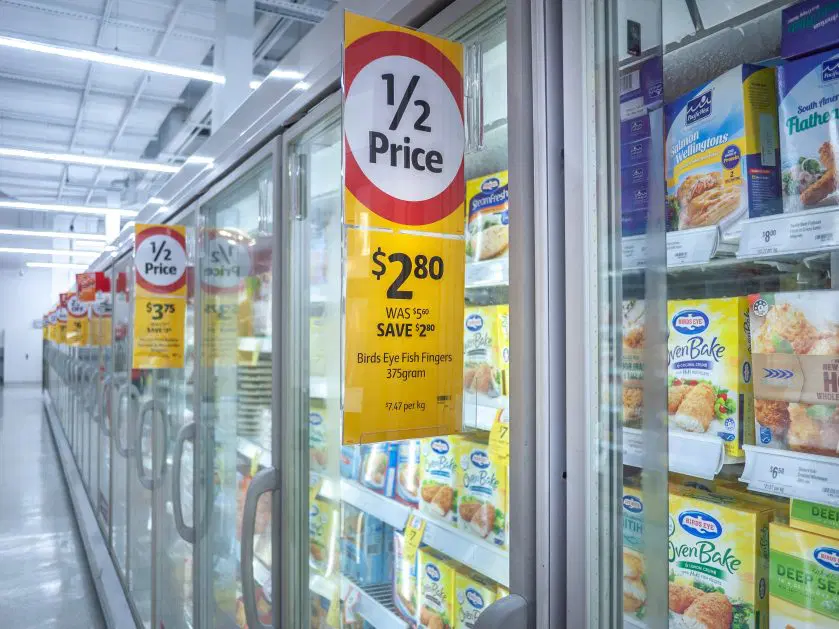
How To Spot A Genuine Grocery Sale Vs. A Marketing Trick
(MENAFN- Grocery Coupon Guide)
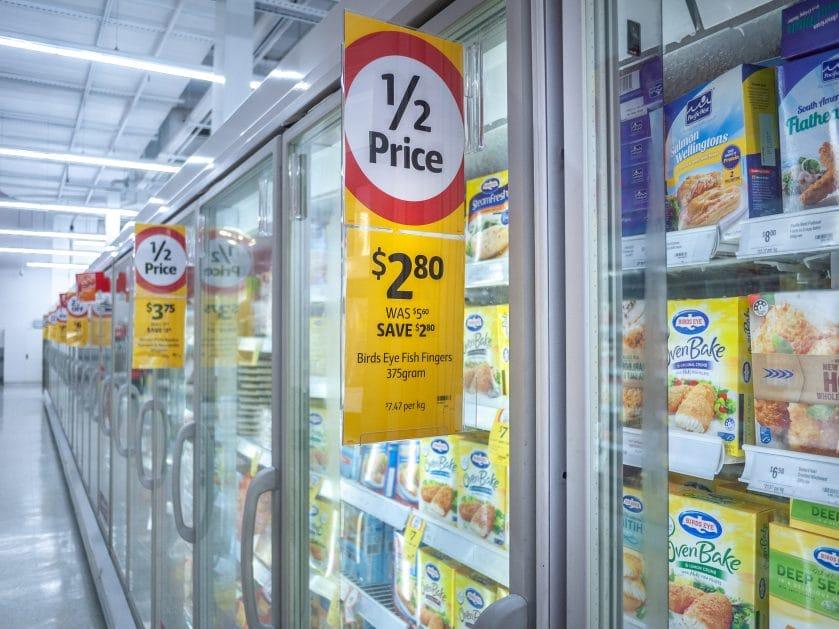
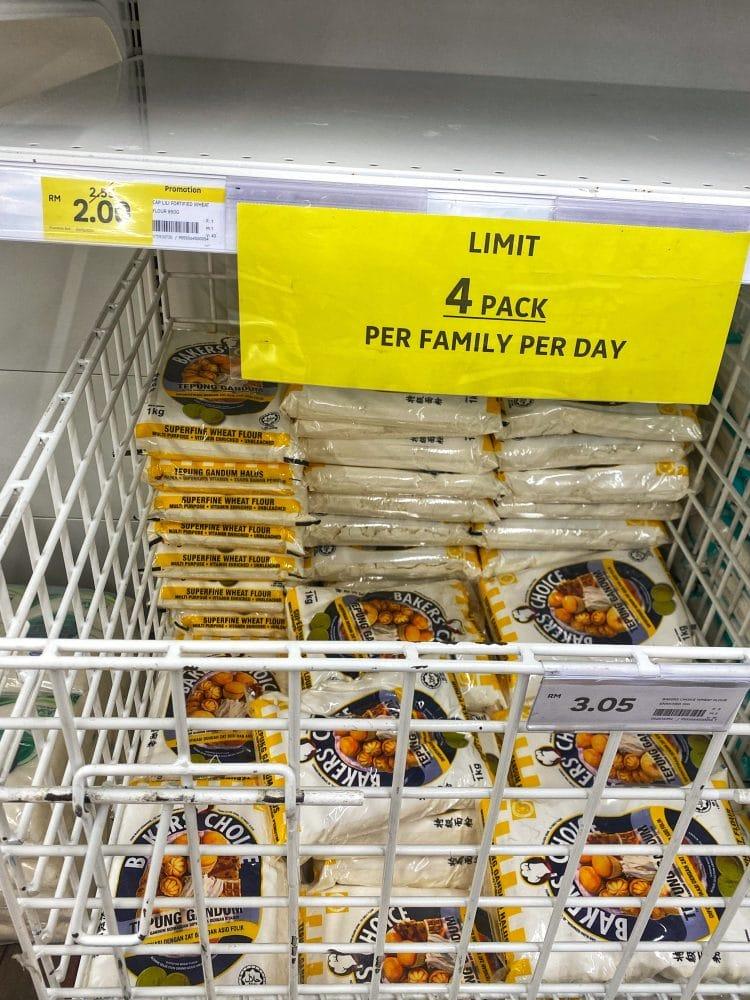
Image source: shutterstock
Grocery stores master the art of psychological manipulation. They use bright colors and strategic placement to trigger spending. A yellow tag does not guarantee a bargain. In 2026, retailers use dynamic pricing to confuse shoppers. You must look past the flashy signage to find value. True savings rely on data rather than marketing. You need to learn the difference between a deal and a trap.
The Unit Price TruthThe price on the sticker often misleads you. The most important number sits in the corner of the tag. This is the unit price. It shows the cost per ounce or per pound. A“sale” item might cost three dollars. But the larger, full-price container might cost less per ounce. Always compare the unit price across brands. It levels the playing field. It reveals the true cost of the product inside the box.
The“Anchor Price” IllusionRetailers show you a high original price to make the sale price look good. This is called price anchoring. The sign says“Was $10, Now $8.” But the item may have never sold for ten dollars. That higher number exists only to create a false sense of value. Ignore the“was” price entirely. Focus only on the current price. Ask yourself if the item is worth eight dollars today.
The Artificial Scarcity of LimitsImage source: shutterstock
Signs that say“Limit 4 Per Customer” create urgency. They suggest the item is in short supply. They imply the price is too low to sustain. Usually, this is false. The store has plenty of stock. They want you to buy four items instead of one. Unless the price is historically low, ignore the limit. Buy only what you need for the week.
The End Cap TrapDisplays at the end of aisles are called end caps. Manufacturers pay heavily for this prime real estate. Products here are rarely the cheapest option. They are simply the most visible option. Often, a cheaper version sits just down the aisle. Walk past the end cap to check the main shelf. You will likely find a better deal hidden there.
Multi-Buy Math ConfusionStores offer deals like“10 for $10.” This tricks your brain. You assume you must buy ten items to get the price. Usually, you do not. You can buy one item for one dollar. Read the fine print on the tag. It will state if you must buy the full quantity. Do not overbuy just to match the marketing number.
Shrinkflation Disguises Price HikesA“New Lower Price” sticker often hides a smaller package. Manufacturers reduce the weight of the product to keep the price stable. A bag of chips might drop from twelve ounces to ten. The price drops by twenty cents. But you actually pay more per ounce. Check the net weight on the package. Compare it to the previous version if possible.
Decoding the DealMarketing teams spend millions to trick you. You can beat them with simple math. Read the unit price. Ignore the flashy signs. Buy only what you need.

Legal Disclaimer:
MENAFN provides the
information “as is” without warranty of any kind. We do not accept
any responsibility or liability for the accuracy, content, images,
videos, licenses, completeness, legality, or reliability of the information
contained in this article. If you have any complaints or copyright
issues related to this article, kindly contact the provider above.
Most popular stories
Market Research









Comments
No comment