




403
Sorry!!
Error! We're sorry, but the page you were looking for doesn't exist.
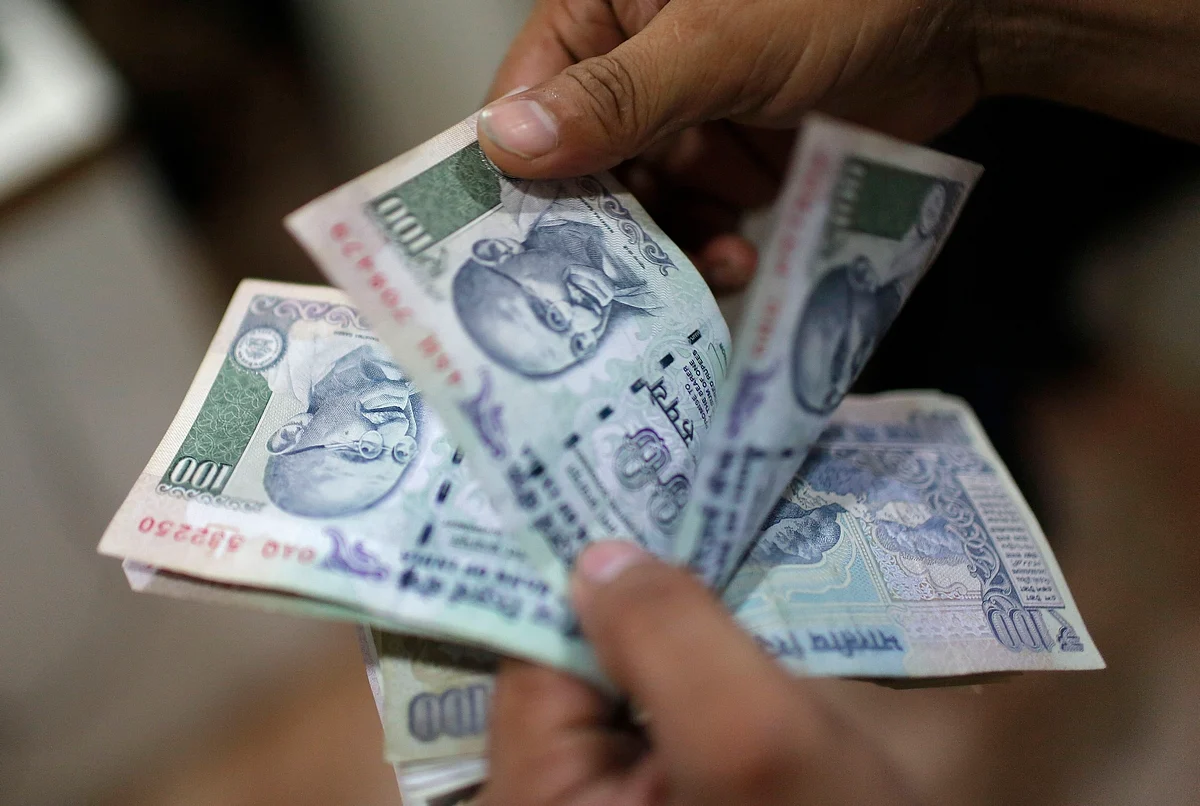
Indian Rupee Crosses Rs25 Against UAE Dirham: Factors Of Decline, What It Means
(MENAFN- Khaleej Times)
The Indian rupee has been grinding lower, repeatedly testing record lows near Rs92 per $1, and dragging the dirham rate close to Rs25 per Dh1 for UAE-linked travellers, students, importers and remitters.
The latest moves have been choppy rather than one-way, explains a currency expert. On January 27, the rupee firmed slightly as the dollar softened and markets drew comfort from trade-deal optimism, after touching fresh lows earlier.
Recommended For YouStill, the broader story remains clear: the rupee's downtrend is being driven less by one“big bang” event and more by a pile-up of pressures - global rates, foreign money leaving, a high import bill, and companies scrambling for dollars.
Stay up to date with the latest news. Follow KT on WhatsApp Channels.
Dollar rules everythingFor most Indians, the easiest way to understand rupee weakness is this: when the dollar becomes scarcer or more expensive, the rupee usually takes the hit.
Two forces matter most:
-pUS interest rates and the Fed: When US yields stay high (or markets think they will), global money tends to sit in dollar assets. That drains demand for riskier emerging-market currencies like the rupee. This week, traders were braced for the Federal Reserve's next policy signals, which often swing the dollar - and, by extension, the rupee.
-p
A stronger dollar cycle: Even when India's domestic story looks steady, a dollar up-cycle can overwhelm local positives - particularly when foreign investors are already cautious.Foreign money outOne of the most direct drivers lately has been portfolio outflows - foreign investors selling Indian equities or bonds and taking money back in dollars. Those outflows don't just hurt sentiment; they create real demand for dollars in the market.
Market coverage in late January has repeatedly linked the rupee's stress to equity outflows and global risk-off positioning. Layman's version: if big overseas funds are net sellers, they convert rupees to dollars - and the rupee weakens.
Importer dollar rushIndia is a large importer of crude oil, electronics, machinery, chemicals and gold. When businesses worry the rupee will fall further, they often hedge early (buy dollars forward or in the spot market). That becomes self-fulfilling: the fear of a weaker rupee boosts dollar buying, which then weakens the rupee.
Analysts this month highlighted sustained importer hedging as a key reason the rupee slid to record lows, alongside subdued foreign inflows and exporters holding back dollar sales.
Exporters hold backIn a falling-rupee market, exporters often delay converting their dollar earnings because waiting can fetch them more rupees per dollar. When exporters“sit on dollars” at the same time importers are rushing to buy them, the market imbalance worsens.
That dynamic - importers buying, exporters waiting - has been cited repeatedly in recent market reports as a reason the rupee struggled near its lows.
Dirham link explainedMany readers in the Gulf track the rupee not only against the dollar but against the UAE dirham. The key point: the dirham is pegged to the dollar, so when the rupee weakens versus the dollar, it almost automatically weakens versus the dirham too.
So,“Rs25 per dirham” headlines are essentially the same story as“Rs92 per dollar” - just translated into a UAE household reality: school fees, rent support, travel budgets, and remittances.
Recent coverage noted the rupee hitting record lows versus the dirham, pushing the exchange rate close to Rs25 to Dh1.
RBI won't 'defend'A big source of anxiety is the belief that the central bank will draw a hard line (say, Rs90, Rs92, etc.). But recent messaging suggests the Reserve Bank of India (RBI) is focused on orderly moves, not a fixed number.
RBI Governor Sanjay Malhotra has said the central bank does not run a targeted exchange-rate band and that the market will decide the currency's level. He has also argued that a country's strength should not be judged by the exchange rate alone, pointing instead to broader fundamentals.
In practice, traders still expect the RBI to lean against sharp, disorderly declines - but not to“promise” any particular level.
What could stabilise Indian rupee?A few near-term stabilisers are on the radar:
A softer dollar: Even a modest dip in the dollar index can give the rupee breathing space.
Trade-deal optimism: Markets have drawn support from expectations around an India–EU trade agreement, which can boost sentiment and, eventually, investment flows.
RBI smoothing: Analysts increasingly see the RBI as the“main stabilising force” even when the underlying bias is for weakness.
What a weak Indian rupee means?For households, a weaker rupee is a mixed bag. Overseas remitters often benefit because each dirham buys more rupees. But imported inflation can creep in - foreign education, international travel, gadgets, and any business dependent on imported inputs becomes costlier.
Bottom line: the rupee's fall isn't one single failure. It's the outcome of global dollar strength, foreign flows, and India's dollar demand from trade - with the RBI trying to keep the ride from getting disorderly, not trying to freeze the exchange rate in place.

Legal Disclaimer:
MENAFN provides the
information “as is” without warranty of any kind. We do not accept
any responsibility or liability for the accuracy, content, images,
videos, licenses, completeness, legality, or reliability of the information
contained in this article. If you have any complaints or copyright
issues related to this article, kindly contact the provider above.
Most popular stories
Market Research

More Story








Comments
No comment