




403
Sorry!!
Error! We're sorry, but the page you were looking for doesn't exist.
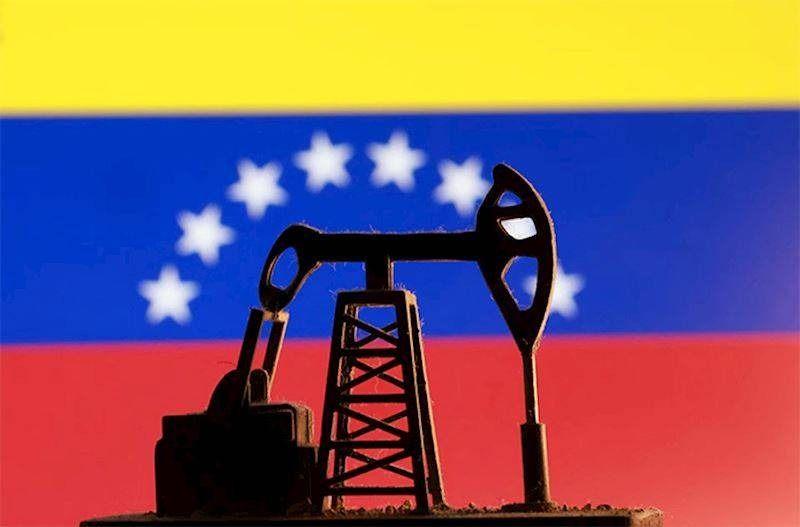
Venezuela Advances Major Oil Law Overhaul To Open Sector To Private And Foreign Firms
(MENAFN- AzerNews)
The Venezuelan government has moved forward with a significant
amendment to its oil legislation that would open up the country's
long-state-dominated petroleum sector to private companies,
including potential participation by foreign investors,
Azernews reports.
The reforms under debate in the National Assembly would overturn key elements of the historic oil nationalisation model introduced under former President Hugo Chávez and upheld for nearly two decades. Under the current draft, private companies - both Venezuelan and foreign - would be able to operate and develop oilfields under contracts with the state or state-linked entities, marking a major shift from the previous system, in which Petróleos de Venezuela (PDVSA) maintained strict state control over production and marketing.
Key proposed changes include allowing private firms to operate oil fields at their own cost and risk, commercialise their own production, and resolve disputes through international arbitration rather than being restricted to local courts. The draft also suggests cutting royalties and extraction taxes - potentially down to as low as 15 percent in certain cases - to attract investment and revive production in underdeveloped fields.
This legislative initiative represents the most extensive overhaul of Venezuela's oil sector since its nationalisation in 2007 and is being advanced rapidly through the legislature. The bill, backed by acting President Delcy Rodríguez and pro-government lawmakers, cleared its first reading and is expected to move to a second vote in the coming weeks.
The reform has been welcomed by many international companies, especially US corporations, and is seen as a potential avenue to attract foreign capital and technical expertise to a sector that has suffered years of underinvestment and declining output. Experts say there is strong momentum for the draft to be adopted, although some critics question whether the changes go far enough in providing legal certainty and clear frameworks for private ownership and investment.
If enacted, the law would mark a dramatic shift away from resource nationalism toward a more open, market-oriented framework, potentially unlocking Venezuela's vast oil reserves to broader participation after years of sanctions and economic decline.

Legal Disclaimer:
MENAFN provides the
information “as is” without warranty of any kind. We do not accept
any responsibility or liability for the accuracy, content, images,
videos, licenses, completeness, legality, or reliability of the information
contained in this article. If you have any complaints or copyright
issues related to this article, kindly contact the provider above.
Most popular stories
Market Research

More Story








Comments
No comment