






403
Sorry!!
Error! We're sorry, but the page you were looking for doesn't exist.
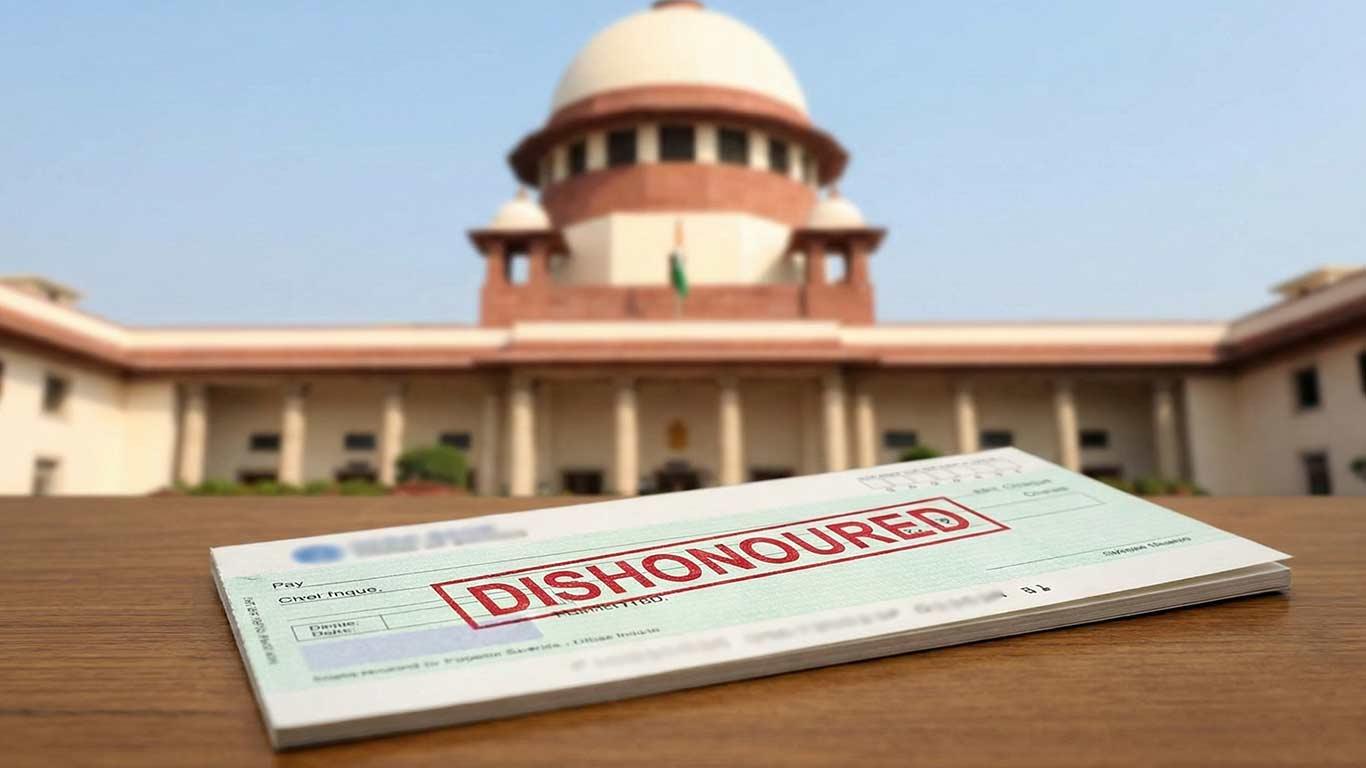
SC Rules Each Dishonoured Cheque Constitutes Separate Offence Under NI Act
(MENAFN- KNN India)
New Delhi, Jan 12 (KNN) The Supreme Court ruled that when multiple cheques issued in a single transaction are dishonoured, each dishonour constitutes a distinct offence under Section 138 of the NI Act, and criminal proceedings cannot be quashed merely because there are multiple cases.
A Supreme Court division bench overturned a Delhi High Court decision that had quashed cheque bounce cases on the ground that parallel proceedings for the same liability were not maintainable.
Case Background
The dispute arose from a 2016 Agreement to Sell for three commercial units, with a total consideration of Rs 1.72 crore. The agreement provided that if sale deeds were not executed by September 30, 2018, the amount would be refunded with an additional Rs 35 lakh.
The respondent issued two firm cheques and the promoter issued two personal cheques, all of which were subsequently dishonoured. Later, fresh cheques were also dishonoured.
The complainant filed five separate complaints under Section 138 of the NI Act. The accused moved the Delhi High Court seeking quashing of the complaints.
The High Court partly allowed the petitions, quashing complaints related to the firm's cheques issued in September 2018 but refusing to quash complaints based on later cheques.
Supreme Court Decision
The Bench of Justices Sanjay Karol and Prashant Kumar Mishra allowed the complainant's appeal, emphasizing that each dishonoured cheque constitutes a distinct cause of action once statutory notice has been served and payment has failed, and that multiple cheques arising from the same transaction do not merge into a single cause of action.
The Court noted that whether the cheques were issued as alternatives, substitutions, or additional securities is a disputed question of fact that can only be examined at trial.
It further clarified that High Courts cannot conduct a mini-trial or decide contested factual issues while considering quashing petitions under Section 482 of the CrPC.
Additionally, the statutory presumption of liability under Sections 138 and 139 of the Negotiable Instruments Act remains in force, and the accused must rebut this presumption during the trial.
The Supreme Court reinstated the complaints that had been quashed by the Delhi High Court and rejected the accused's appeals seeking quashing of the remaining cases.
(KNN Bureau)

Legal Disclaimer:
MENAFN provides the
information “as is” without warranty of any kind. We do not accept
any responsibility or liability for the accuracy, content, images,
videos, licenses, completeness, legality, or reliability of the information
contained in this article. If you have any complaints or copyright
issues related to this article, kindly contact the provider above.
Most popular stories
Market Research

More Story








Comments
No comment