

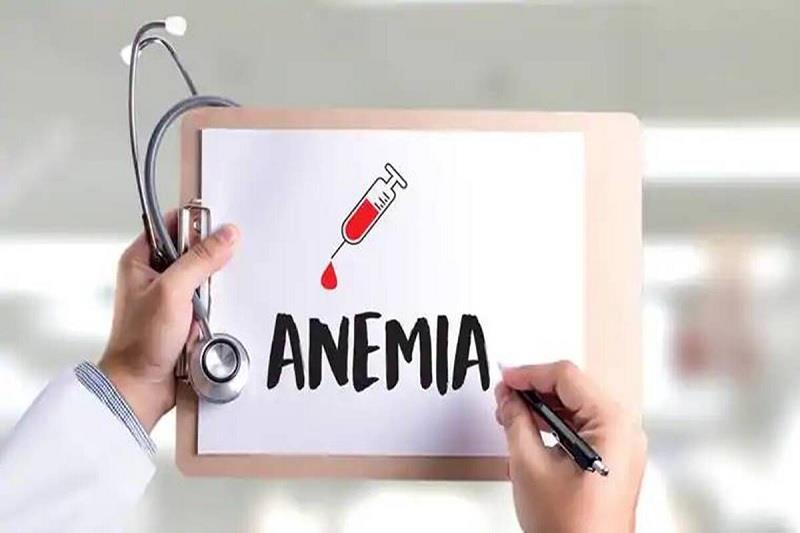
Despite Nutrition Schemes, Anaemia Remains Widespread Among J&K Children


Experts warn that this alarming trend poses serious risks to the growth, immunity, and development of the region's youngest population.
ADVERTISEMENT
As per the 'Children in India 2025' report by the Ministry of Statistics and Programme Implementation, accessed by KNO, 72.7 per cent of children, including 73.9 male and 71.4 females, are anaemic in J&,K which includes 73.5 per cent in rural areas and 70.1 per cent in urban areas.
Doctors termed it a serious public health concern. They explained that when a child is anaemic, their blood lacks enough healthy red blood cells or haemoglobin needed to carry oxygen throughout the body. This leads to fatigue, weakened immunity, delayed growth, impaired brain development, lowered learning ability, and increased risk of infections.
Dr Shabeena Shah, a child specialist, said the most common cause of anaemia worldwide and in India is nutritional deficiency, especially iron deficiency.“Young children have high iron needs for rapid growth, but many diets do not supply enough iron or other vital nutrients like folate and vitamin B12,” she said, adding that Iron Deficiency Anaemia (IDA) is the predominant form responsible for a large share of anaemia cases in toddlers and young children.
According to the doctor, a diet too reliant on staple grains without enough iron-rich foods (like leafy greens, lentils, eggs, meat, fortified cereals) worsens this deficiency. She said the children whose mothers are anaemic themselves are more likely to be anaemic. Low maternal iron stores during pregnancy limit the amount of iron the baby receives before birth and through early infancy, Dr Shah added.
Dr Showkat Hussain, another doctor, said that after six months of age, breastmilk alone isn't enough to meet a baby's iron requirements. He said that if complementary foods aren't introduced properly or are low in iron, the risk of anaemia increases. He added that parasitic infections like hookworm and other gastrointestinal infections can cause blood loss and reduce nutrient absorption, contributing significantly to anaemia.
Dr Hussain added that inclusive breastfeeding for the first six months provides optimal nutrition and helps build immunity.“Breast milk contains iron that is easily absorbed by infants, helping protect against anaemia in early infancy. However, after 6 months, iron stores from birth get depleted, and complementary foods need to be introduced. If the complementary diet lacks iron-rich foods, anaemia risk rises,” he added.
Legal Disclaimer:
MENAFN provides the
information “as is” without warranty of any kind. We do not accept any
responsibility or liability for the accuracy, content, images, videos,
licenses, completeness, legality, or reliability of the information
contained in this article. If you have any complaints or copyright issues
related to this article, kindly contact the provider above.
Comments
No comment