




403
Sorry!!
Error! We're sorry, but the page you were looking for doesn't exist.

Trump Signals Military Threat To Colombia As Markets Wobble
(MENAFN- The Arabian Post)
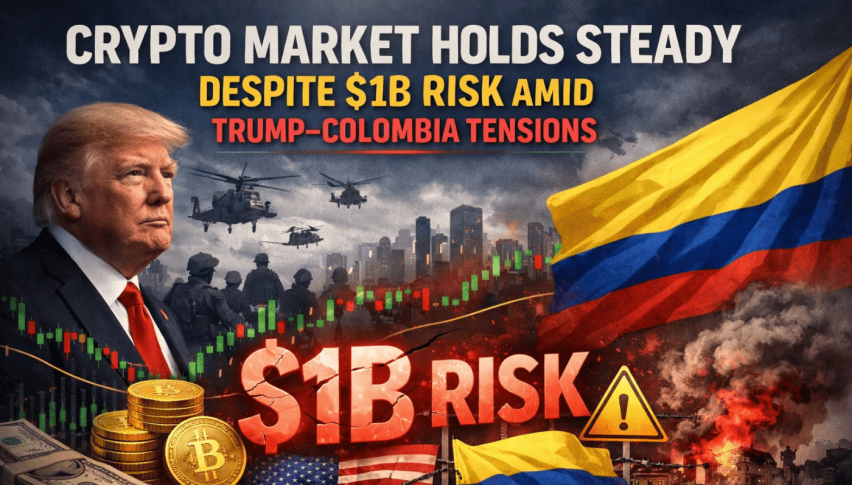
U. S President Donald Trump intensified geopolitical tensions by openly warning of possible military action against Colombia following a dramatic U. S. operation that resulted in the capture of Venezuela's president, Nicolas Maduro. Trump made the comments aboard Air Force One, accusing Colombian President Gustavo Petro of presiding over a“sick” government and suggesting Colombia could be targeted if illicit drug and security concerns were not addressed, remarks that have alarmed regional leaders and unsettled global financial markets.
Trump's declaration comes on the heels of an unprecedented U. S. military incursion into Venezuelan territory that culminated in Maduro's extraction to New York to face charges related to drug trafficking and weapons offences. The president characterised the operation as part of a broader crackdown on criminal networks and hinted that further interventions, including in Colombia and Mexico, could be considered, intensifying questions about U. S. foreign policy direction in Latin America.
Financial markets responded with a mix of firmness and nervousness as investors digest the implications of Washington's actions. Major cryptocurrency indices displayed resilience even as geopolitical risk climbed, with traders indicating that digital assets held steady despite as much as a billion dollars in positions flagged as at risk due to the escalating political rhetoric. Bitcoin, Ethereum and other leading tokens demonstrated relative stability, though analysts caution that sustained pressure or additional military threats could heighten volatility across crypto markets.
Equity markets showed varied reactions. Asian stocks climbed, driven by optimism around technology and corporate earnings, even as the geopolitical shock waves emanating from Latin America continued to be factored into risk assessments. Oil prices drifted lower as traders weighed Venezuela's limited contribution to global supply against long-term uncertainty over energy infrastructure and output from the region. Safe-haven assets such as gold saw upticks, reflecting investor appetite for hedges amid heightened political fault lines.
See also US crackdown widens on Kalshi, Robinhood and Crypto sports-betting operationsTrump's rhetoric has not been confined to Colombia. He also cast critical remarks toward Mexico, condemning powerful cartels and suggesting that Washington could take more direct action unless Mexican authorities“get their act together”. Such statements have raised fresh diplomatic strains between the U. S. and its neighbours, complicating relationships that were already under pressure from cross-border drug trafficking and migration issues.
Colombian President Petro swiftly rejected Trump's assertions, reaffirming his leadership and dismissing U. S. criticism of his government. Petro labelled the threats as an affront to Colombian sovereignty and warned of potential regional instability if military force were to be used. Security measures were heightened along the Colombia–Venezuela border, where a tenuous calm has held since the Venezuelan leader's capture, amid concerns about rebel groups and potential refugee flows.
Global reactions to the U. S. operation and subsequent threats have been sharply divided. Several world leaders, including those from major European and Latin American nations, condemned the capture of Maduro as a violation of international law and an unwelcome precedent for external military intervention. Others, however, expressed cautious support for efforts aimed at curbing narcotics trafficking and restoring order in Venezuela, highlighting the delicate balance in international responses.
The legal and diplomatic ramifications of the U. S. action are significant. Critics argue that seizing a sitting head of state without clear multilateral backing could undermine international norms and provoke legal challenges, while supporters contend that Maduro's indictment and alleged criminal activities justified a decisive response. The situation has prompted discussions at the United Nations and within legislative bodies in the U. S. about the scope and accountability of executive military powers.
See also UAE emerges as world crypto-regulation leaderIn markets where geopolitical risk is now an elevated component of pricing, analysts caution that prolonged uncertainty could influence investment flows and asset valuations, particularly in emerging-market currencies and bonds. Defence sector stocks have garnered attention on expectations of sustained geopolitical tension, while energy investors continue to monitor how Venezuela's oil sector might evolve under U. S. oversight and private-sector involvement.
Arabian Post – Crypto News Network
Notice an issue? Arabian Post strives to deliver the most accurate and reliable information to its readers. If you believe you have identified an error or inconsistency in this article, please don't hesitate to contact our editorial team at editor[at]thearabianpost[dot]com. We are committed to promptly addressing any concerns and ensuring the highest level of journalistic integrity.

Legal Disclaimer:
MENAFN provides the
information “as is” without warranty of any kind. We do not accept
any responsibility or liability for the accuracy, content, images,
videos, licenses, completeness, legality, or reliability of the information
contained in this article. If you have any complaints or copyright
issues related to this article, kindly contact the provider above.
Most popular stories
Market Research

More Story







Comments
No comment