




403
Sorry!!
Error! We're sorry, but the page you were looking for doesn't exist.

January Grocery Bills Are Rising Faster For Households Buying These Items
(MENAFN- Grocery Coupon Guide) As the holiday dust settles, shoppers are facing a sobering reality at the checkout line. While overall inflation has moderated, specific grocery categories are seeing steep price hikes in January 2026 due to a convergence of seasonal demand, lingering supply chain issues, and the annual“Resolution Tax.” Households that heavily rely on these specific items will feel a disproportionate pinch in their weekly budget compared to those who can pivot to alternatives.
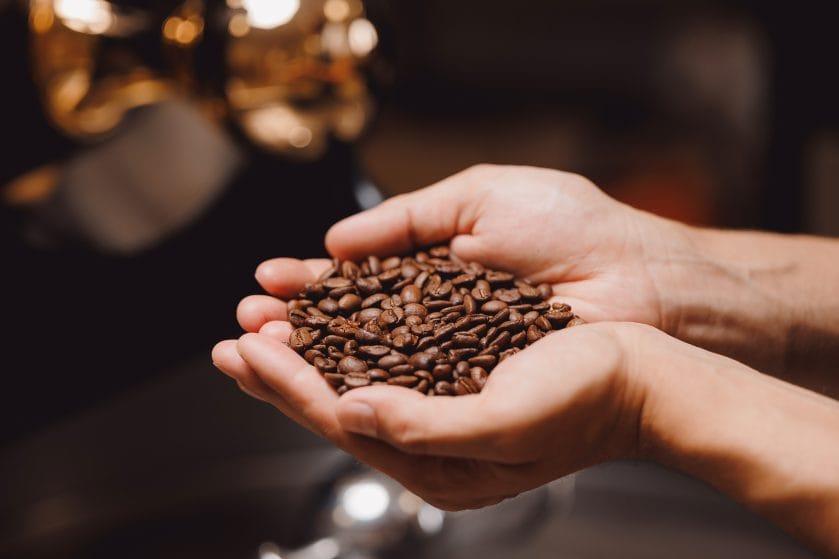
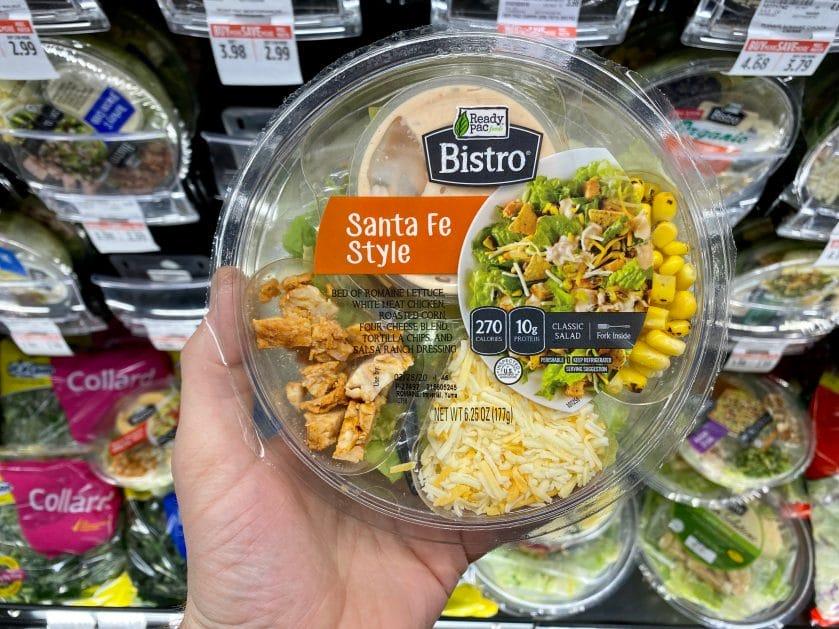
Image source: shutterstock
1. Coffee and Caffeine StaplesIf your morning routine relies on a premium brew, expect to pay more. Global coffee markets have been volatile due to adverse weather in Brazil and Vietnam throughout late 2025. This supply contraction is finally hitting retail shelves in force. Major roasters have raised prices on bagged coffee, and even instant varieties are seeing markups. The“latte factor” is hitting home kitchens, with the price per cup rising significantly for loyal brand buyers.
2. Beef and Red MeatThe cattle cycle is long, and the herds have not yet recovered from the droughts of previous years. January is typically a time when beef prices soften after the holiday roast season, but this year, scarcity is keeping prices high. Ground beef and steaks remain expensive, forcing budget-conscious shoppers to look toward pork or poultry. Households that refuse to swap out their red meat nights will see their grocery bills inflate faster than the national average.
3.“Resolution” Health FoodsRetailers know that January 1st kicks off diet season. Consequently, the prices for items associated with weight loss-protein powders, meal replacement shakes, and specialized“keto” or“paleo” snacks-are at their peak. Stores often reduce the depth of discounts on these items, knowing that determined resolvers will pay full price. A tub of protein that was on sale in November is likely holding firm at its highest price point right now.
4. Imported ChocolateThe cocoa shortage that began making headlines last year has not abated. Chocolate prices are continuing their upward trajectory as manufacturers pass on the soaring costs of raw ingredients. Households that include chocolate treats, baking cocoa, or chocolate-flavored snacks in their cart are paying a premium for what is rapidly becoming a luxury commodity.
5. Olive OilSimilar to cocoa, olive oil production in the Mediterranean has suffered from heat and drought. Inventory levels are low, and the price on the shelf reflects this scarcity. Shoppers who insist on extra virgin olive oil for daily cooking are seeing bottle prices that are nearly double what they were two years ago. This single item can add significant weight to a receipt.
6. Convenient Salad KitsImage source: shutterstock
Bagged salads and pre-cut vegetable kits are convenient for healthy eating, but they are also subject to what experts call the“freshness premium” in January. With high demand from dieters and tighter supplies of leafy greens from growing regions like Yuma, Arizona, the price of these convenience kits has jumped. You are paying for the labor of washing and chopping, which comes at a premium when labor costs are also high.
Mitigating the DamageTo insulate your budget, consider temporarily swapping coffee for tea, using more plant-based proteins or pork instead of beef, and buying whole vegetables instead of bagged kits. A few strategic swaps can neutralize the January inflation spike.

Legal Disclaimer:
MENAFN provides the
information “as is” without warranty of any kind. We do not accept
any responsibility or liability for the accuracy, content, images,
videos, licenses, completeness, legality, or reliability of the information
contained in this article. If you have any complaints or copyright
issues related to this article, kindly contact the provider above.
Most popular stories
Market Research









Comments
No comment